
logo
پیام فرستادن
China Shenzhen Sino-Media Technology Co., Ltd.
Shenzhen Sino-Media Technology Co., Ltd.
Sino-Media یک تولید کننده حرفه‌ای مونتاژ کابل است که دفتر مرکزی آن در سوژو، چین قرار دارد. ما با تخصص در راه‌حل‌های کابل و سیم‌کشی با حجم کم و بسیار سفارشی، قطعاتی با مهندسی دقیق را برای کاربردهای سخت ارائه می‌دهیم. با اتوماسیون پیشرفته، مواد ممتاز، کنترل کیفیت دقیق و یک تیم فنی ماهر، ما عملکرد و قابلیت اطمینان برتر را در هر محصول تضمین می‌کنیم.ارائه های اصلی ما عبارتند از:کابل‌های نمایشگر LVDSکابل‌های میکرو کواکسیالمونتاژ کابل‌های LVDS جهانیسیم‌کشی‌های سفارشی (JST، Molex و غیره)کابل‌های روبان ا...
بیشتر بدانید
درخواست نقل قول
تعداد کارکنان:
>100+
فروش سالانه:
3800000+
سال تاسیس:
2008
صادرات p.c:
90%
ما ارائه می دهیم
بهترین خدمات
شما می توانید از راه های مختلف با ما تماس بگیرید
با ما تماس بگیرید
تلفن
86--13924649075
واتساپ
8613924649075
ویچت
13924649075

کیفیت کابل میکرو کواکسیال & کابل LVDS EDP کارخانه

کابل دوربین KEL Lvds Edp MIPI 0.4mm Pitch USL20-30SS-0045-C کانکتور نمایشگر lvds

نام محصول: کابل ماژول دوربین سونی MIPI KEL USL20-30SS-0045-C lvds edp

زمین تماس: زمین 0.4 میلی متر

اتصال: USL20-30SS-0045-C

بهترین قیمت را دریافت کنید

PLUS 20788 060T 01 0.4 mm pitch edp lvds 60 PIN کابل میکرو کواکسیال

زمین تماس: گام 0.4 میلی متر

نام محصول: 20788-060T-01 کابل میکرو کواکسیال کابل lvds

ماده: 60 پین

بهترین قیمت را دریافت کنید

20453-240t-03 به 20453-230t-03 30P 40P 0.5mm Pitch 36AWG Lvds کابل مونتاژ

نام محصول: 20453-240t-03 To 20453-240t-03 مونتاژ کابل ال سی دی Edp Lvds

تعداد پین: 40p

زمین تماس: گام 0.5 میلی متر

بهترین قیمت را دریافت کنید

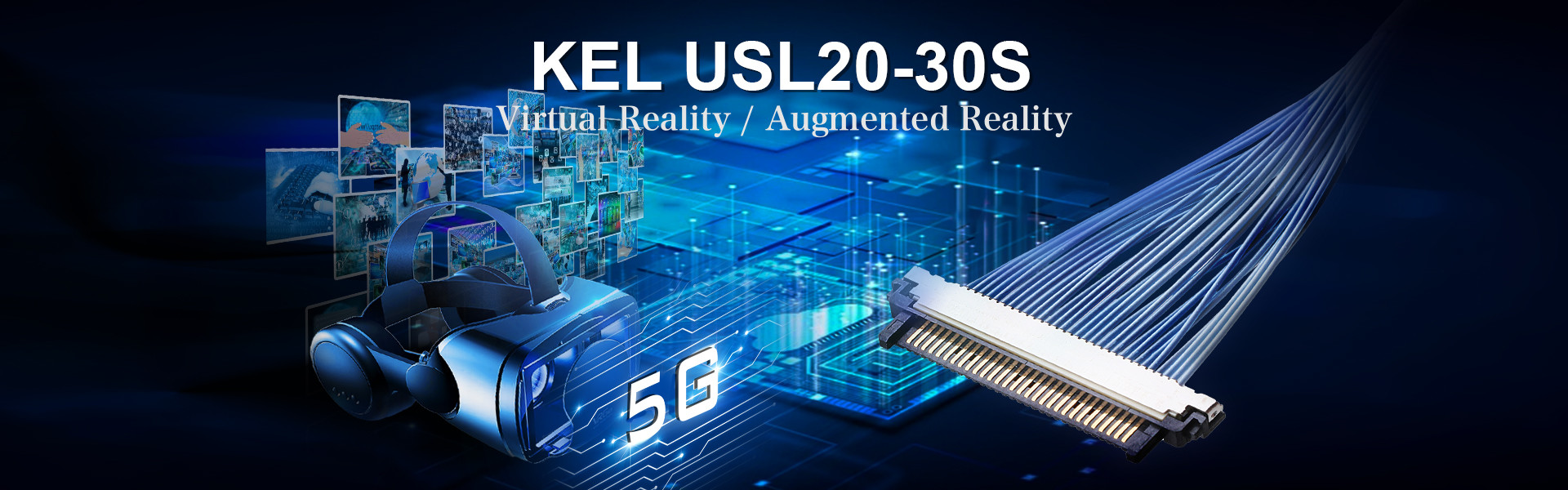
KEL USLS20 30s UslS سری 30 پین کابل میکرو کواکسیال LVDS کانکتور کابل 0.4mm Pitch

نام محصول: کابل USLS20 30s UslS Series Kel 30 پین کابل میکرو کواکسیال LVDS

کانکتور: USLS20-30SS-01

زمین تماس: گام 0.4 میلی متر

بهترین قیمت را دریافت کنید
نظرات مشتریان
ساموئل کانو
پاسخ سریع با کیفیت بالا ، بسیار حرفه ای در این زمینه.
عباس پورهادی
از کار با آنها واقعاً خوشحالم ، بسیار حرفه ای.
انواع کابل کواکسیال
انواع کابل کواکسیال
H1: انواع کابل کواکسیال چیست و چگونه کابل مناسب را انتخاب می کنید؟ کابل های کواکسیال تقریباً یک قرن است که به طور بی سر و صدا سیستم های رادیویی، ماهواره ای، پخش و داده های جهان را تامین می کنند - اما همچنان یکی از اجزای بسیار بد فهمیده شده در الکترونیک مدرن هستند. مهندسان می دانند که کابل کواکسیال اشتباه می تواند عملکرد RF را مختل کند، کارخانه های OEM می دانند که تضعیف می تواند بازده تولید را از بین ببرد، و شرکت های بازرگانی زمانی که خریدار فقط یک عکس می فرستد و می پرسد، فشار را احساس می کنند: «آیا می توانید این را بسازید؟» در دنیایی که گزینه های زیادی وجود دارد - سری RG، سری LMR، نیمه سفت و سخت، میکرو کواکسیال - انتخاب اشتباه به معنای از دست دادن یکپارچگی سیگنال، گرم شدن بیش از حد، خرابی انطباق یا طراحی مجدد پرهزینه است. انواع اصلی کابل کواکسیال شامل کابل های سری RG (مانند RG6، RG59، RG58 و RG174)، کابل های کم تلفات LMR، کواکسیال هاردلاین، کواکسیال نیمه سفت و سخت، کواکسیال نیمه انعطاف پذیر و کابل های میکرو کواکسیال است. هر نوع از نظر امپدانس، محدوده فرکانس، محافظ، تضعیف، قطر و مناسب بودن کاربرد متفاوت است. کابل کواکسیال مناسب به الزامات الکتریکی پروژه شما، شرایط محیطی، نوع کانکتور و محدودیت های نصب بستگی دارد. در پشت هر مشخصات کابل کواکسیال، یک تصمیم واقعی وجود دارد که بر قابلیت اطمینان طولانی مدت سیستم شما تأثیر می گذارد - ولتاژ، امپدانس، محافظ EMI، مواد ژاکت، تحمل OD، انتخاب کانکتور و حتی شعاع خمش. در Sino-Media، ما این را روزانه می بینیم. یک مهندس یک نقاشی کامل با پین‌اوت‌های دقیق می‌فرستد، در حالی که دیگری به سادگی یک عکس از تلفن هوشمند آپلود می‌کند و می‌پرسد: «آیا می‌توانید این را مطابقت دهید؟» هر دو نیاز معتبر هستند - و هر دو کاملاً به درک انواع کابل کواکسیال بستگی دارند. داستان معمولاً به همین ترتیب شروع می شود: یک خریدار در حال جستجو در اینترنت برای «انواع کابل کواکسیال». تفاوت در این است که بعد چه اتفاقی می افتد. این مقاله تضمین می کند که وقتی خریدار بعدی وارد سایت شما می شود، می ماند، یاد می گیرد، اعتماد می کند و در نهایت درخواست قیمت می کند. H2: کابل کواکسیال چیست و چگونه کار می کند؟ یک کابل کواکسیال با انتقال سیگنال های الکتریکی با فرکانس بالا از طریق یک هادی مرکزی که توسط یک لایه دی الکتریک، محافظ و یک ژاکت بیرونی احاطه شده است، کار می کند. این ساختار لایه ای به کابل اجازه می دهد تا سیگنال های RF، ویدئو و داده را با حداقل تلفات و مصونیت عالی از نویز حمل کند. سازگاری امپدانس (معمولاً 50Ω یا 75Ω) جریان سیگنال پایدار را تضمین می کند، در حالی که محافظ از EMI خارجی جلوگیری می کند و عملکرد را کاهش می دهد. H3: لایه های اصلی در ساختار کابل کواکسیال چیست؟ یک کابل کواکسیال از چهار لایه اصلی تشکیل شده است: هادی داخلی، عایق دی الکتریک، محافظ و ژاکت بیرونی. این لایه ها یک محور مرکزی مشترک دارند - از این رو کلمه هم محور. هادی سیگنال را حمل می کند، دی الکتریک امپدانس و دقت فاصله را حفظ می کند، محافظ تداخل خارجی را مسدود می کند و ژاکت از گرما، روغن، UV، سایش یا مواد شیمیایی محافظت می کند. صنایع مختلف ترکیبات متفاوتی را طلب می کنند: دستگاه های پزشکی ممکن است به ژاکت های FEP فوق العاده نازک نیاز داشته باشند. آنتن های بیرونی به PE مقاوم در برابر اشعه ماوراء بنفش نیاز دارند. خودرو اغلب مواد بدون هالوژن و مقاوم در برابر شعله را درخواست می کند. H3: امپدانس چگونه بر جریان سیگنال تأثیر می گذارد؟ دو امپدانس رایج 50Ω (RF، بی سیم، تجهیزات تست) و 75Ω (ویدئو، پخش، ست تاپ باکس) هستند. عدم تطابق امپدانس می تواند باعث انعکاس و از دست رفتن شدید سیگنال شود. مهندسان اغلب با Sino-Media تماس می گیرند و می پرسند که چرا سیستم آنها در فرکانس های بالا شکست می خورد - فقط برای اینکه متوجه شوند از امپدانس اشتباه استفاده کرده اند یا کانکتورهایی مانند SMA (50Ω) را با F-type (75Ω) مخلوط کرده اند. امپدانس باید در کابل، کانکتورها و تجهیزات ثابت بماند. H3: چرا محافظ برای عملکرد EMI ضروری است؟ انواع محافظ شامل بافت، فویل، بافت دوتایی و محافظ چهارگانه است. پوشش بیشتر برابر است با مقاومت بهتر در برابر EMI، اما همچنین افزایش قطر و سفتی. سیستم های بی سیم، رادار و صنعتی به شدت به اثربخشی محافظ متکی هستند. پوشش بافت ناسازگار - که در جایگزین های کم هزینه غیر معمول نیست - می تواند نویز را وارد کند. بازرسی 100٪ Sino-Media تراکم بافت پایدار را تضمین می کند، به خصوص برای مجموعه های RG و LMR با فرکانس بالا. H3: مهندسان به دنبال چه پارامترهایی در برگه های مشخصات هستند؟ برگه های مشخصات معمولاً فهرست می کنند: OD، گیج هادی، ثابت دی الکتریک، نوع محافظ، امپدانس، مقادیر تضعیف، شعاع خمش، درجه ولتاژ، محدوده دما، انعطاف پذیری، درجه شعله، مقاومت در برابر اشعه ماوراء بنفش و گواهینامه های انطباق (UL، RoHS، REACH، PFAS). خریداران اغلب با یک شماره مدل می آیند اما هیچ پارامتر فنی ندارند. Sino-Media آن را مهندسی معکوس می کند و نقشه های دقیقی را در عرض 30 دقیقه تا 3 روز ارائه می دهد. H2: انواع اصلی کابل کواکسیال که امروزه استفاده می شود چیست؟ انواع اصلی کابل کواکسیال که امروزه استفاده می شود شامل کابل های سری RG (به عنوان مثال، RG6، RG58، RG59، RG174)، کابل های RF کم تلفات LMR، کواکسیال نیمه سفت و سخت و نیمه انعطاف پذیر برای کاربردهای دقیق با فرکانس بالا، کواکسیال هاردلاین برای سیستم های ارتباطی با قدرت بالا و کابل های میکرو کواکسیال برای دستگاه های الکترونیکی فشرده است. این انواع از نظر امپدانس، تضعیف، انعطاف پذیری، ساخت محافظ و محیط های مناسب متفاوت هستند. H3: کابل های کواکسیال سری RG جدول مقایسه کابل کواکسیال سری RG نوع RG امپدانس OD (mm) تضعیف @1 گیگاهرتز (dB/m) انعطاف پذیری کاربردهای معمولی RG6 75Ω ~6.8 ~0.22 متوسط تلویزیون، ماهواره، پهنای باند RG59 75Ω ~6.1 ~0.30 بالا CCTV، ویدئوی آنالوگ RG58 50Ω ~5.0 ~0.50 متوسط RF، رادیو، تست RG174 50Ω ~2.8 ~1.20 بسیار بالا GPS، IoT، خودرو، دستگاه های فشرده کابل های RG (راهنمای رادیویی) به دلیل استانداردسازی تاریخی و استفاده گسترده، همچنان شناخته شده ترین خانواده هستند. هر شماره RG سیگنال ترکیبی منحصر به فرد از امپدانس، OD و ویژگی های تضعیف را نشان می دهد. کابل های RG از نظر مواد دی الکتریک (PE، فوم PE، PTFE)، پوشش بافت و ترکیب ژاکت بسیار متفاوت هستند. بسیاری از مهندسان هنوز از شماره های RG به عنوان یک روش سریع استفاده می کنند، اما ساخت و ساز واقعی بین تولید کنندگان متفاوت است. H3: کابل های کواکسیال کم تلفات LMR کابل های LMR محافظت بهبود یافته و تضعیف کمتری را برای سیستم های ارتباطی RF ارائه می دهند، از جمله آنتن های 4G/5G، WiFi، GPS، شبکه های IoT و پیوندهای نقطه به نقطه. کابل های LMR تلفات کم را از طریق موارد زیر به دست می آورند: دی الکتریک فوم تزریق شده با گاز محافظ فویل + بافت پیوندی امپدانس دقیقاً کنترل شده مواد بهینه شده برای عملکرد در محدوده گیگاهرتز انواع رایج شامل LMR-100، LMR-200، LMR-240، LMR-400 است، که در آن عدد تقریباً با قطر همبستگی دارد. کابل های LMR به ویژه برای اجراهای RF طولانی تر که در آن تضعیف کابل RG بیش از حد می شود، موثر هستند. H3: کابل های کواکسیال نیمه سفت و سخت کواکسیال نیمه سفت و سخت از یک هادی بیرونی فلزی جامد - معمولاً مس یا آلومینیوم - استفاده می کند که به کابل اجازه می دهد پس از خم شدن شکل خود را به طور دائم حفظ کند. ویژگی های کلیدی: امپدانس بسیار پایدار اثربخشی محافظ عالی ایده آل برای سیستم های مایکروویو و میلی متری نیاز به شکل دهی دقیق در هنگام نصب کابل های نیمه سفت و سخت در هوافضا، ماژول های رادار، ابزارهای آزمایشگاهی و سخت افزار ارتباطی با فرکانس بالا استاندارد هستند. H3: کابل های کواکسیال نیمه انعطاف پذیر کواکسیال نیمه انعطاف پذیر سازشی بین عملکرد و سهولت نصب ارائه می دهد. در مقایسه با نیمه سفت و سخت: از هادی بیرونی بافته شده یا موجدار به جای یک لوله سخت استفاده می کند هدایت و تغییر موقعیت آسان تر تضعیف کمی بالاتر هنوز برای بسیاری از کاربردهای RF/مایکروویو قابل قبول است این کابل ها اغلب جایگزین طرح های نیمه سفت و سخت می شوند زمانی که نصب نیاز به تنظیمات دارد یا زمانی که تحمل لرزش مورد نیاز است. H3: کابل های کواکسیال هاردلاین کواکسیال هاردلاین با قطر بسیار زیاد و تضعیف بسیار کم مشخص می شود و آن را برای موارد زیر مناسب می کند: انتقال پخش حمل و نقل RF با قدرت بالا پیوندهای ارتباطی از راه دور سیستم های زمینی ماهواره ای هاردلاین اغلب شامل فاصله دهنده های دی الکتریک هوا و محافظ مسی یا آلومینیومی موجدار است. تلفات سیگنال بسیار کمتر از کابل های RG یا LMR است، اما انعطاف پذیری حداقل است. H3: کابل های میکرو کواکسیال میکرو کواکسیال در محیط های محدود به فضا استفاده می شود: لوازم الکترونیکی مصرفی دستگاه های تصویربرداری پزشکی ماژول های دوربین با چگالی بالا رادار خودرو ابزار دقیق قابل حمل این کابل ها اغلب مقادیر OD کمتر از 1 میلی متر دارند و نیاز دارند: کانکتورهای دقیق (U.FL، IPEX، W.FL) لحیم کاری/ترمیناسیون کنترل شده مدیریت دقیق شعاع خمش میکرو کواکسیال معمولاً زمانی انتخاب می شود که مینیاتوری سازی و انتقال با فرکانس بالا باید همزیستی داشته باشند. H2: کدام انواع کابل کواکسیال برای کاربردهای مختلف مناسب هستند؟ کاربردهای کابل کواکسیال متفاوت است: RG59 و RG6 برای ویدئو و CCTV، کابل های RG58 و LMR برای سیستم های RF و بی سیم، میکرو کواکسیال برای الکترونیک فشرده، نیمه سفت و سخت برای هوافضا و هاردلاین برای پخش با قدرت بالا. انتخاب کابل مناسب به محدوده فرکانس، فاصله، محیط، نوع کانکتور و انعطاف پذیری مورد نیاز بستگی دارد. راهنمای انتخاب کابل کواکسیال مبتنی بر برنامه زمینه کاربرد انواع کابل توصیه شده امپدانس ملاحظات کلیدی RF / بی سیم RG58، RG174، سری LMR 50Ω تلفات کم، محافظ، محدوده فرکانس CCTV / ویدئو RG59، RG6 75Ω پایداری ویدئوی از راه دور هوافضا / رادار نیمه سفت و سخت، نیمه انعطاف پذیر 50Ω پایداری با فرکانس بالا خودرو میکرو کواکسیال، RG174 50Ω لرزش، دما دستگاه های پزشکی میکرو کواکسیال، مبتنی بر PTFE 50Ω/75Ω قابلیت اطمینان بالا، استریل سازی پخش هاردلاین، LMR400 50Ω/75Ω قدرت بالا، تضعیف کم H3: RF، آنتن و سیستم های بی سیم کابل های 50Ω (RG58، RG174، LMR) بر کاربردهای بی سیم، از جمله WiFi، 4G/5G، LoRa، GPS، بلوتوث و RF صنعتی غالب هستند. کیفیت محافظ و عملکرد فرکانس ضروری است - کواکسیال بی کیفیت می تواند تلفات دسی بل را وارد کند که آنتن ها را مختل می کند. H3: ویدئو، CCTV و پخش کابل های 75Ω مانند RG59 و RG6 همچنان برای CCTV HD و پخش استاندارد هستند. ویژگی های کم تلفات آنها انتقال ویدئوی از راه دور را امکان پذیر می کند. برای پخش دیجیتال (DVB، ATSC)، مهندسان پایداری تضعیف در سراسر دما را در اولویت قرار می دهند - پارامتری که Sino-Media در طول بازرسی آزمایش می کند. H3: خودرو، پزشکی و نظامی این صنایع به مقاومت در برابر دما، لرزش و مواد شیمیایی نیاز دارند. میکرو کواکسیال و کابل های سفارشی با OD کوچک رایج هستند. ارتش اغلب کواکسیال نیمه سفت و سخت با تحمل و مستندات دقیق (COC، COO، تاییدیه بدون PFAS) را درخواست می کند. H3: چگونه شرکت های بازرگانی و کارخانه های OEM کابل ها را انتخاب می کنند شرکت های بازرگانی اغلب برای تأیید مشخصات به Sino-Media متکی هستند زیرا عکس ها فاقد جزئیات هستند. کارخانه های OEM به قیمت، زمان تحویل و کیفیت ثابت اهمیت می دهند. مهندسان به پارامترها اهمیت می دهند. تدارکات به هزینه اهمیت می دهد. تحقیق و توسعه به امکان سنجی اهمیت می دهد. H2: اندازه، OD و ساختار کابل کواکسیال چگونه بر عملکرد تأثیر می گذارد؟ قطر و ساختار کابل کواکسیال مستقیماً بر تضعیف، انعطاف پذیری، هندلینگ قدرت، محافظ EMI و مقاومت محیطی تأثیر می گذارد. کابل های با قطر بزرگتر به طور کلی تلفات سیگنال کمتر و ظرفیت توان بالاتری را ارائه می دهند، در حالی که کابل های کوچکتر انعطاف پذیری را بهبود می بخشند و در فضاهای فشرده قرار می گیرند. مواد مورد استفاده در دی الکتریک، محافظ و ژاکت، محدوده فرکانس، پایداری حرارتی و دوام را تعیین می کنند. H3: قطر بیرونی (OD) و تلفات سیگنال OD کابل کواکسیال در مقابل تلفات سیگنال نوع کابل OD (mm) فرکانس تضعیف (dB/m) هندلینگ قدرت انعطاف پذیری RG174 ~2.8 1 گیگاهرتز ~1.20 کم بسیار بالا RG58 ~5.0 1 گیگاهرتز ~0.50 متوسط متوسط LMR-200 ~5.0 1 گیگاهرتز ~0.23 متوسط-بالا متوسط LMR-400 ~10.3 1 گیگاهرتز ~0.07 بالا کم با افزایش OD، تضعیف به طور کلی کاهش می یابد. کابل های بزرگتر از فرکانس های بالاتر و فواصل طولانی تر پشتیبانی می کنند زیرا سطح مقطع هادی افزایش می یابد و تلفات دی الکتریک کاهش می یابد. OD های کوچکتر مفید هستند اما محدودیت هایی را معرفی می کنند: انرژی بیشتری به صورت گرما از دست می رود سیگنال سریعتر ضعیف می شود فرکانس عملیاتی کمتر است مهندسان باید محدودیت های اندازه را در برابر بودجه تلفات قابل قبول بسنجند. H3: انعطاف پذیری و حداقل شعاع خمش کابل های کوچکتر انعطاف پذیرتر هستند، اما خم شدن بر امپدانس تأثیر می گذارد. خمیدگی های محکم می توانند باعث ناپیوستگی امپدانس شوند ناپیوستگی ها باعث انعکاس می شوند انعکاس ها باعث افزایش تلفات بازگشت می شوند دی الکتریک های فوم تمایل دارند راحت تر تغییر شکل دهند و نیاز به مسیریابی دقیق دارند. دی الکتریک های PTFE شکل را بهتر تحت تنش مکانیکی حفظ می کنند. طراحان معمولاً از دستورالعمل های شعاع خمش سازنده پیروی می کنند تا از اعوجاج فاز جلوگیری کنند. H3: مواد دی الکتریک و عملکرد فرکانس مقایسه مواد دی الکتریک در کابل های کواکسیال مواد دی الکتریک ثابت دی الکتریک رتبه بندی دما سطح تلفات موارد استفاده معمولی PE جامد ~2.3 متوسط متوسط CCTV، RF کم فوم PE ~1.4–1.6 متوسط پایین تر پهنای باند، کابل های LMR PTFE ~2.1 بالا بسیار کم مایکروویو، هوافضا، سیستم های با دمای بالا هوا/فاصله دهنده ها ~1.0 متفاوت است کمترین کواکسیال هاردلاین با قدرت بالا دی الکتریک پایداری امپدانس و قابلیت فرکانس بالا را تعیین می کند. یک ثابت دی الکتریک پایین تر به طور کلی عملکرد با فرکانس بالا را بهبود می بخشد اما ممکن است پایداری مکانیکی را کاهش دهد. H3: ساخت محافظ و محافظت EMI انواع محافظ و عملکرد EMI نوع محافظ پوشش محافظت EMI انعطاف پذیری کاربردهای معمولی بافت تک کم اساسی بالا فرکانس پایین، هدف عمومی بافت دوتایی متوسط خوب متوسط تجهیزات RF، صنعتی فویل + بافت بالا بسیار خوب متوسط-کم محدوده گیگاهرتز، پخش محافظ چهارگانه بسیار بالا عالی کم محیط های RF متراکم، مناطق EMI قوی مواد محافظ بر رفتار الکتریکی و دوام تأثیر می گذارند. انواع محافظ معمولی: بافت تک: مناسب برای فرکانس پایین یا EMI کم بافت دوتایی: پوشش بهبود یافته، نشت کمتر فویل + بافت: رایج در RG6، خوب برای محدوده گیگاهرتز محافظ چهارگانه: مقاومت EMI قوی، مفید در مناطق RF متراکم محافظ بیشتر باعث افزایش سفتی می شود اما ثبات تلفات بازگشت را بهبود می بخشد. H3: مواد ژاکت و مقاومت محیطی ژاکت بیرونی دوام و سازگاری محیطی را تعریف می کند. ژاکت های رایج: PVC: مقرون به صرفه، استفاده عمومی در داخل ساختمان PE: مقاوم در برابر اشعه ماوراء بنفش، نصب در فضای باز FEP/PTFE: دمای بالا، مقاوم در برابر مواد شیمیایی LSZH: در زیرساخت های حمل و نقل و ساختمان ترجیح داده می شود انتخاب مواد بر موارد زیر تأثیر می گذارد: رتبه بندی دما جذب رطوبت مقاومت در برابر روغن/مواد شیمیایی عملکرد شعله انتخاب مواد ژاکت نادرست می تواند باعث تخریب زودهنگام کابل شود، حتی اگر پارامترهای الکتریکی مطابقت داشته باشند. H3: ملاحظات Small-OD و Micro-Coax کابل های میکرو کواکسیال (
2025-11-29
coaxial cable connector types
What Are the Different Types of Coaxial Cable Connectors? Coaxial cable connectors may look simple from the outside, but they are the backbone of nearly every RF, broadcast, wireless, and high-frequency communication system we rely on today. From the SMA connectors inside WiFi routers, to the BNC connectors used in CCTV systems, to U.FL micro connectors hidden inside smartphones and drones—coaxial connectors are everywhere. Yet most engineers, technicians, or purchasing teams only discover how many connector types exist when a part fails, a model becomes obsolete, or a new device requires a connector that looks similar but performs very differently. Coaxial cable connector types include threaded connectors (SMA, TNC, N-Type), bayonet connectors (BNC), snap-on types (SMB, SMC), miniature and micro connectors (MMCX, MCX, U.FL/IPEX), and automotive RF connectors such as FAKRA and GT5. These connectors differ in size, impedance, locking mechanism, frequency range, and typical applications. Selecting the right type depends on the coax cable (e.g., RG58, RG178), required frequency, and device interface. Despite appearing interchangeable, coaxial connectors are highly specialized components. Using the wrong type can cause signal loss, poor VSWR, unstable wireless performance, or complete communication failure. For example, a 75-ohm BNC looks nearly identical to a 50-ohm BNC, yet the wrong match can severely impact RF performance. The same applies to choosing between RG58 and RG178 cables—similar function, completely different behavior in real applications. To understand the different connector types clearly, let’s break down how coaxial connectors work, where each connector type is used, and how to choose the correct one for your system. To make the explanation easier, I will also share real engineering considerations that RF designers and procurement teams often overlook. What Is a Coaxial Cable Connector and How Does It Work? A coaxial cable connector is a precision-engineered interface that links a coaxial cable to another device, preserving impedance, shielding, and signal integrity. It works by maintaining a continuous coaxial structure—center conductor, dielectric, shielding, and outer body—so high-frequency RF signals travel with minimal loss. Proper connector selection ensures stable performance in wireless systems, broadcast equipment, CCTV, GPS, and high-frequency communication devices. A coaxial cable connector is more than a mechanical joint; it is an electrical extension of the coaxial cable itself. To transmit RF or high-frequency signals with minimal loss, the connector must maintain the same geometric alignment, impedance, and shielding effectiveness as the cable. This requirement explains why coaxial connectors come in so many types, each designed to support specific impedance values, frequency ranges, locking mechanisms, and device interfaces. At its core, a coaxial connector replicates the cable's internal structure: a center conductor, dielectric layer, outer conductor or shield, and metallic body. These layers guide electromagnetic waves in a controlled path, preventing interference from external sources. When a connector is improperly matched—whether by impedance, size, or termination method—signal reflections and loss increase dramatically, leading to distorted or weakened transmission. This is especially critical in RF systems where small mismatches can degrade VSWR or cause antenna performance issues. The connector also performs a mechanical function. It allows repeated connections without damaging the cable, ensures strong retention in environments with vibration, and provides environmental protection. Locking styles—threaded, bayonet, snap-on, or push-fit—are selected based on application needs. Threaded connectors like SMA and N-Type are ideal for stable RF performance, while bayonet connectors such as BNC are preferred in video and measurement systems due to quick connect/disconnect capability. Another important factor is frequency capability. A connector designed for low-frequency CCTV may not operate correctly in a 5.8 GHz wireless system. The internal geometry, material plating, and tolerance directly influence the maximum frequency the connector can handle. Micro coax connectors (such as U.FL/IPEX) are engineered for compact devices like drones or laptops, but their small size limits durability and the number of mating cycles. In summary, coaxial connectors work by preserving the coaxial structure, ensuring electrical optimization, and offering mechanical reliability. Selecting the correct type is essential for maintaining signal integrity and ensuring system performance in RF, telecom, broadcast, automotive, medical, and aerospace applications. What Internal Structure Defines a Coax Connector? A coax connector mimics the cable’s layered structure: a center pin aligned with the cable’s inner conductor, surrounded by dielectric insulation, a metal shield or outer conductor, and a metal shell providing protection and grounding. The geometry must remain perfectly concentric to maintain consistent impedance—typically 50 or 75 ohms. High-frequency connectors also include air-dielectric regions, precision-machined tolerances, and gold-plated contacts to reduce loss and improve long-term conductivity. Any deviation from ideal geometry increases reflections and insertion loss. Why Are Coaxial Connectors Ideal for RF and High-Frequency Signals? RF signals travel as electromagnetic waves that require controlled impedance and shielding to prevent interference. Coax connectors maintain these conditions through their concentric structure and shielding continuity. Unlike simple wire connectors, coax connectors prevent radiation leakage and block external noise—critical for applications such as antennas, WiFi modules, GPS receivers, and RF amplifiers. Their designs also support specific frequency ranges; SMA connectors can reach 18 GHz or more, while U.FL types serve compact 2.4–6 GHz applications. Which Performance Parameters Matter Most? When evaluating coax connectors, engineers consider impedance (50 vs 75 ohm), VSWR, frequency range, insertion loss, mating cycles, and environmental durability. Impedance mismatch leads to reflections that degrade signal strength. VSWR indicates how efficiently the signal travels through the connector. Material choices such as brass, stainless steel, or beryllium copper affect conductivity and strength. For outdoor or automotive use, waterproof ratings, vibration resistance, and corrosion protection become essential. These parameters collectively determine connector performance in real-world systems. What Types of Coaxial Cable Connectors Exist? Coaxial cable connectors exist in many different mechanical forms and electrical specifications. Although many connectors appear similar externally, their internal geometry, impedance, locking method, and intended frequency range determine where they can be used. Understanding the different connector families is essential for selecting the right type for RF, video, wireless, automotive, and high-frequency applications. Coaxial connectors can be grouped based on their locking mechanism, size classification, and application domain. Below is a detailed engineering overview of the main categories. To make the different connector families easier to compare at a glance, the table below summarizes the main types, their coupling style, size class, and typical applications. Coaxial Connector Family Overview Connector Family Locking Style Size Class Typical Impedance Typical Applications SMA / TNC / N-Type Threaded Small–Large 50 Ω RF modules, antennas, telecom, base stations BNC (50 Ω / 75 Ω) Bayonet Medium 50 Ω / 75 Ω CCTV, broadcast, test equipment SMB / SMC / QMA Snap-on / Quick-lock Small 50 Ω Telecom, compact RF systems MCX / MMCX Snap-on Miniature 50 Ω GPS, portable devices U.FL / IPEX / W.FL Push-fit Micro 50 Ω IoT modules, WiFi cards, laptops, drones FAKRA / HSD / GT5 Automotive lock Small–Medium 50 Ω / 100 Ω Automotive cameras, antennas, infotainment F-Type / IEC TV Threaded / Push Medium 75 Ω CATV, satellite TV, set-top boxes 7/16 DIN / 4.3-10 / NEX10 Threaded Large 50 Ω High-power cellular and RF infrastructure Threaded Coaxial Connectors (SMA, TNC, N-Type, 7/16 DIN) Threaded connectors use a screw-on coupling mechanism that creates stable mechanical retention and consistent electrical contact pressure. This reduces micro-movement at the mating interface, allowing these connectors to support higher frequencies. Key Examples SMA (50Ω) — Supports DC to 18–26 GHz depending on grade. TNC (50Ω) — Similar internal structure to BNC but with a threaded coupling, better suited for vibration. N-Type (50Ω) — Larger, high-power connector common in outdoor wireless and cellular systems. 7/16 DIN / 4.3-10 — High-power telecom connectors with excellent PIM performance. Engineering Characteristics Excellent high-frequency performance Stable VSWR due to consistent torque coupling Good for high-power RF, antennas, radar, and telecom infrastructure Bayonet-Locking Connectors (BNC, Twinax BNC) Bayonet connectors use a quarter-turn locking mechanism that allows rapid connect/disconnect without tools. They are widely used in video, measurement equipment, and laboratory environments. Key Examples BNC 50Ω — Used in test equipment and RF communications BNC 75Ω — Used for digital video (SDI, 3G-SDI, 12G-SDI), CCTV, broadcast systems Twinaxial BNC — Balanced versions used for specialty differential signals Characteristics User-friendly locking mechanism Moderate frequency capability (typically up to 4 GHz for 50Ω BNC) Not ideal for extreme vibration 50Ω and 75Ω versions are not electrically interchangeable at high frequencies Snap-On / Push-Fit Connectors (SMB, SMC, QMA) These connectors prioritize ease of mating and compact design. Their quick-coupling mechanism is useful in systems requiring frequent assembly or where access is limited. Key Examples SMB — Snap-on connector used in telecom modules and compact RF systems SMC — Threaded version of SMB, supports higher frequencies QMA — Quick-lock version of SMA, compact and easy to install QDS/QDL — Specialized high-frequency quick-lock connectors Characteristics Faster mating/unmating than threaded connectors Moderate frequency performance Suitable for internal wiring or compact enclosures Miniature Coax Connectors (MCX, MMCX) Miniature connectors offer a balance of compact size and reasonable RF performance, making them useful in small or portable devices. Key Examples MCX — Around 30% smaller than SMB MMCX — Smaller still, with full 360° rotation capability Applications GPS receivers Wearable medical devices UAVs and portable RF equipment Embedded RF boards with limited space Characteristics Up to ~6 GHz frequency support Good for space-constrained designs Lower mechanical strength compared to larger connector families Micro Coaxial Connectors (U.FL, IPEX, W.FL, MHF Series) Micro coax connectors are extremely small and designed for dense PCB layouts. Key Examples U.FL / IPEX MHF — Common for WiFi/BT modules and IoT devices W.FL / H.FL — Even smaller footprints for ultra-compact RF modules MHF4 / MHF4L — Used in 5G and high-density RF designs Characteristics Ultra-small form factor Limited mating cycles (typically 30–80) Sensitive to mechanical stress and vibration Support frequencies from 2.4 to 6 GHz Applications Laptops Drones Wireless modules IoT sensors Automotive-Grade RF Connectors (FAKRA, HSD, GT5) Automotive RF systems require connectors that endure vibration, shock, humidity, and wide temperature ranges. Key Examples FAKRA — Color-coded and keyed for antenna, camera, GPS, and telematics modules HSD (High-Speed Data) — Supports automotive Ethernet-like transmission GT5 — Compact RF connector used by Japanese OEMs Characteristics Designed for environmental durability EMI protection and locking retention Compliant with automotive standards Broadcast, CATV, and Satellite Connectors (F-Type, IEC Series) Some connectors are designed specifically for video or broadcast networks. Key Examples F-Type (75Ω) — Used for cable TV, satellite dishes, set-top boxes IEC 61169 Series (TV/RF coax) — Used in consumer broadcast systems Characteristics Optimized for 75Ω transmission Suitable for low to mid-frequency applications Not designed for high-frequency microwave use Specialty & High-Power RF Connectors (4.3-10, NEX10, UHF, PL-259) These connectors serve niche or high-power applications. Includes 4.3-10 / NEX10 — Low-PIM telecom connectors replacing 7/16 DIN UHF / PL-259 — Older connectors for amateur radio; low-frequency only SMP / SMPM — High-frequency push-on connectors for microwave modules Characteristics High-power or low-PIM capability Used in telecom, microwave, or RF research Impedance Categories: 50Ω vs 75Ω Impedance Typical Use Case Common Connectors 50Ω RF, microwave, antennas, telecom SMA, N-Type, TNC, MMCX, U.FL 75Ω Video, SDI broadcast, CCTV 75Ω BNC, F-Type Even though some 50Ω and 75Ω connectors physically mate, their electrical behavior differs significantly. How Do Different Coaxial Connector Types Compare? Different coaxial connector types vary in impedance, frequency range, locking mechanism, durability, size, and typical applications. Threaded connectors like SMA and N-Type offer excellent high-frequency performance, while BNC provides quick locking for video and test equipment. Miniature connectors such as MMCX and U.FL save space but offer fewer mating cycles. Choosing the best type depends on your device’s RF power, size limits, vibration conditions, and cable type. Comparing coaxial connector types is crucial for designing RF systems that meet performance, size, durability, and cost requirements. Even connectors that look similar—like SMA and RP-SMA, or 50Ω and 75Ω BNC—can behave very differently in real applications. Engineers must consider mechanical locking style, electrical characteristics, operating frequency, material quality, mating cycles, and compatibility with specific coax cables such as RG58, RG316, or RG178. Threaded connectors typically perform best at higher frequencies because the threaded coupling ensures stable contact pressure and consistent grounding. SMA connectors, for example, can reach 18 GHz or higher, while N-Type connectors are often used in high-power outdoor RF systems. On the other hand, bayonet connectors like BNC excel in laboratory, CCTV, and broadcast applications where users need quick connect/disconnect without tools. Miniature and micro coax connectors introduce completely different trade-offs. MMCX and MCX provide compact size with moderate frequency support, while U.FL and IPEX save even more space but support only a limited number of mating cycles. Their small size makes them perfect for IoT modules, drones, and laptop WiFi cards—but they are not suitable for environments with strong vibration or frequent reconnection. Another key comparison factor is impedance. A 50Ω connector is optimized for RF power and high-frequency transmission, while 75Ω connectors are intended for video and digital broadcast. Mixing impedances may still “work,” but VSWR increases, reflections occur, and signals degrade—especially beyond several hundred MHz. The following H3 sections explore these comparison factors in depth. Which Connectors Perform Best at High Frequencies? (SMA, N-Type, TNC) For high-frequency RF systems (2 GHz–18 GHz+), threaded connectors outperform other types because the threaded coupling maintains a stable, low-loss interface. SMA supports up to 18–26 GHz depending on grade, making it ideal for antennas, microwave modules, and test instruments. N-Type handles both high power and outdoor conditions, frequently used in base stations, repeaters, and radar systems. TNC, a threaded version of BNC, offers better high-frequency stability and vibration resistance. In general, threaded connectors offer the most consistent impedance and lowest VSWR across wide frequency ranges. Which Types Are Best for Video, Broadcast & CCTV? Video and broadcast systems prioritize convenience and compatibility over extreme frequency performance. BNC 75Ω is standard in CCTV, SDI video, broadcast equipment, and oscilloscopes because its bayonet coupling allows fast, secure connections. 75Ω BNC connectors also support high-resolution digital video signals like HD-SDI and 3G-SDI with minimal loss. For analog CCTV or coax-based security cameras, BNC remains the dominant interface globally. These connectors excel in environments where technicians frequently connect and disconnect cables. What Mechanical Differences Matter Most? (Threaded, Bayonet, Snap-On) Mechanical design heavily influences durability and ease of use. Threaded (SMA, N-Type, TNC): Excellent vibration resistance and stable electrical contact. Requires more time to install. Bayonet (BNC): Quick connect/disconnect, secure enough for indoor equipment, but less stable at high vibration. Snap-On (SMB, SMC, QMA): Very fast mating, ideal for compact devices, but may loosen under heavy vibration unless reinforced. Micro connectors (U.FL, IPEX): Extremely small but mechanically fragile, limited to ~30 mating cycles. Choosing the right locking mechanism depends on whether your device faces vibration, requires frequent reconnections, or has limited space. Comparison Table: SMA vs BNC vs TNC vs N-Type vs MMCX vs U.FL Coaxial Connector Comparison Table Connector Type Impedance Frequency Range Locking Style Size Best Applications SMA 50Ω Up to 18–26 GHz Threaded Small WiFi, RF modules, antennas TNC 50Ω Up to 11 GHz Threaded Medium Telecom, outdoor RF N-Type 50Ω Up to 11 GHz+ Threaded Large Base stations, high power BNC 50Ω / 75Ω Up to 4 GHz Bayonet Medium CCTV, broadcast, test labs MMCX/MCX 50Ω Up to 6 GHz Snap-on Small GPS, handheld devices U.FL / IPEX 50Ω 2.4–6 GHz Push-fit Micro IoT devices, laptops, drones This table provides a quick engineering reference for connector selection. How to Choose the Right Coaxial Connector for Your Application? To choose the right coaxial connector, evaluate the required impedance, frequency range, cable type, environmental conditions, and mechanical locking style. Different cables—such as RG58 and RG178—require different connectors based on size, power, and flexibility. Matching the connector to both the system frequency and the coax cable ensures proper signal integrity, low loss, and long-term reliability in RF, video, automotive, or wireless applications. Selecting the correct coaxial connector is not simply about matching shapes; it requires understanding the electrical and mechanical characteristics of your system. RF systems are highly sensitive to impedance mismatch, connector quality, cable type, and even minor variations in material or plating. A connector that performs well at 500 MHz may fail completely at 6 GHz. Similarly, connectors designed for thick coax cables, such as RG58, cannot be used with micro coax cables like RG178, RG316, or 1.13 mm cables. The first step is determining impedance. Most RF systems use 50Ω coax connectors (SMA, TNC, N-Type), while broadcast and CCTV systems rely on 75Ω connectors (BNC, F-Type). Impedance mismatch introduces reflections and increases VSWR, reducing RF performance. Next, you must consider frequency range. SMA connectors support microwave frequencies (up to 18–26 GHz), whereas BNC connectors are better suited for moderate-frequency video signals. Mechanical considerations are equally important: threaded connectors perform better in vibration-heavy environments, while bayonet or snap-on connectors are preferred for quick installation or confined spaces. Another key factor is matching the connector to the coax cable type. Coax cables differ widely in diameter, attenuation, shielding, and power handling. For example, RG58 is thick, durable, and suitable for higher power, while RG178 is extremely thin, flexible, and suited for compact or lightweight RF systems. Using the wrong connector for the cable type compromises mechanical strength, shielding continuity, and electrical performance. Environmental factors also matter. Outdoor RF installations require waterproof, corrosion-resistant connectors. Automotive systems need vibration-proof connectors like FAKRA or HSD. Portable electronics require small connectors such as MMCX or U.FL. Each connector type serves a specific combination of space constraints, frequency range, and mechanical requirements. The following H3 sections detail these factors more precisely—including your key subtopic: RG58 vs RG178, which many engineers search for when deciding cable and connector compatibility. Which Specifications Matter Most? (Power, Impedance, Loss) Several core specifications determine connector suitability: Impedance (50Ω vs 75Ω): Determines compatibility with RF systems or video systems. Frequency Range: Higher frequencies require connectors with tighter tolerances and better plating. Power Handling: Larger connectors (N-Type, TNC) handle more power than micro coax connectors. Insertion Loss: A connector with poor internal geometry or plating increases loss. VSWR: Good connectors maintain low reflections across the operating frequency. Material: Stainless steel or high-quality brass improves durability and conductivity. Key Selection Parameters for Coaxial Connectors Parameter What It Affects Typical Engineering Considerations Impedance Matching, VSWR, reflections 50 Ω for RF/microwave; 75 Ω for video/broadcast Frequency Range Usable bandwidth Higher GHz requires tighter tolerances and better plating Power Handling Heating, reliability Larger bodies (N-Type, 7/16 DIN) handle more power Insertion Loss Overall system loss Critical in long runs or weak-signal systems VSWR Return loss and signal quality Important for antennas and high-frequency links Mating Cycles Long-term mechanical durability Micro connectors like U.FL have limited mating cycles Environmental Corrosion, moisture, vibration resistance Outdoor/auto need sealed, rugged connector designs Choosing the correct specifications ensures predictable performance and long-term reliability. How to Match Connector Types to Coax Cables (RG316, RG178, RG58)? Each coax cable requires connectors specifically designed for its diameter, dielectric, and shielding structure. For example: RG316 (2.5 mm OD): Supports SMA, MMCX, MCX connectors; good for mid-frequency RF. RG178 (1.8 mm OD): Works with U.FL, MMCX, MCX, SMA (special versions); ideal for compact devices. RG58 (5 mm OD): Compatible with BNC, N-Type, TNC, SMA (large-crimp version); used in higher-power RF or outdoor systems. Trying to force a connector designed for RG178 onto RG58 (or vice versa) leads to poor crimping, impedance mismatch, and shielding failure. Which Is Better, RG58 or RG178? The choice between RG58 and RG178 depends entirely on the application, not which one is “better.” Both serve different engineering needs: RG58 vs RG178 Comparison Table Property RG58 RG178 Diameter ~5.0 mm ~1.8 mm Flexibility Moderate Very high Frequency Up to 1–3 GHz Up to 6 GHz Attenuation Lower Higher Power Handling High Low Shielding Strong Moderate Weight Heavy Light Applications WiFi antennas, outdoor RF, telecom, repeaters IoT, drones, GPS modules, compact RF boards Summary: Choose RG58 for power, distance, durability, and outdoor use. Choose RG178 for flexibility, compact size, and lightweight RF modules. Connector selection must match the specific cable type. How Do Environmental Conditions Affect Connector Choice? Environmental conditions strongly influence connector selection. Outdoor or industrial installations require connectors with corrosion-resistant plating, waterproof gaskets, and stronger mechanical retention. Automotive systems use vibration-resistant connectors such as FAKRA or GT5. Portable devices need lightweight miniature connectors like MMCX or U.FL. Temperature, humidity, oil exposure, UV resistance, and mechanical stress must all be considered to prevent signal degradation or mechanical failure. Do Cable OD, Shielding, and Flexibility Change Connector Choice? Cable dimensions and shielding characteristics determine the connector’s crimp size, pin diameter, and termination method. A mismatch in OD (outer diameter) leads to poor strain relief or shielding discontinuity. Highly flexible cables may require strain-relief boots or right-angle connectors to prevent fatigue. Cables with strong shielding (e.g., RG316) require connectors designed to maintain 360° shield contact. These factors ensure high-quality signal performance over time. Are Coaxial Connectors Customizable? Yes, coaxial connectors can be customized in terms of cable length, pinout, connector body shape, materials, plating, strain relief, and compatibility with specific coax cables such as RG178, RG316, or RG58. Custom options support unique mechanical constraints, high-vibration environments, or non-standard device interfaces. Engineers often request drawings, original or equivalent connector models, and tailored solutions to ensure performance, durability, and proper mechanical fit. Coaxial connectors are highly standardized components, but real-world engineering applications frequently require modifications to meet specific mechanical, electrical, or environmental conditions. Customization is common in RF engineering because standard connectors may not fit the available space, support the required bending radius, or meet the device’s mechanical constraints. In fields such as aerospace, medical devices, automotive electronics, and compact consumer electronics, connectors often need to be adapted to unique hardware layouts or operational conditions. Customization can include adjusting the connector’s body shape (straight, right-angle, bulkhead, panel mount), modifying plating materials (gold, nickel, tri-metal), or altering the pinout and termination method to match a specific module or PCB interface. Cable length is another highly customized parameter; engineers frequently request exact lengths for impedance control or mechanical routing. In many cases, custom solutions also involve selecting whether to use original branded connectors or cost-efficient equivalents, depending on performance, volume, and availability. Another major aspect of customization is creating drawings. Engineering teams often rely on detailed CAD-to-PDF drawings to confirm dimensions, pinouts, and assembly structure before production. This reduces the risk of incompatibility or mismatch with the customer’s equipment. In industries sensitive to latency or failure—aviation, medical, military—connector assemblies must adhere to strict requirements such as EMI shielding, halogen-free materials, heat resistance, and waterproof ratings. Customization also plays a critical role in meeting international price expectations. Markets like the U.S., Japan, and parts of Europe often require premium original connectors, while Southeast Asia or some OEM factories prefer flexible, cost-optimized equivalent models. Understanding these market tendencies helps engineers and purchasers select the right connector strategy for their target region or industry. Below, the H3 sections break down the main customization areas in detail. Which Parameters Can Be Customized? (Length, Pinout, Shape, Materials) The most common customization parameters include: Cable Length: Precise lengths for impedance control, cable routing, or enclosure design. Pinout Definition: Matching antennas, modules, RF boards, or custom equipment. Body Shape: Straight, right-angle, bulkhead, panel mount, or low-profile versions. Materials & Plating: Brass, stainless steel, gold plating, nickel plating, or anti-corrosion finishes. Strain Relief: Overmolds, heat-shrink boots, or reinforced crimp sleeves. Coaxial Connector & Cable Customization Options Custom Parameter Description Typical Use Cases Cable Length Exact cut length per design or impedance control R&D samples, enclosure-specific routing Connector Type SMA, BNC, MMCX, U.FL, FAKRA, etc. Matching device ports and mechanical layout Body Geometry Straight, right-angle, bulkhead, panel-mount Space constraints, panel feedthroughs Pinout / Mapping Signal, ground, and reserved pins arrangement Custom RF modules, multi-port assemblies Plating / Material Gold, nickel, stainless steel, anti-corrosion Harsh environments, high mating cycles Strain Relief Overmold, boot, heat-shrink, cable clamp Vibration areas, frequent flexing Cable Type RG58, RG174, RG178, RG316, 1.13 mm micro coax Balancing power, loss, diameter, flexibility These adjustments make connectors compatible with specialized RF systems and mechanical constraints. Do OEM Projects Require CAD Drawings and Verification? Yes. OEM and engineering teams almost always require drawings before production. The typical process includes: Customer provides cable type, connector model, or photos. Supplier generates a CAD → PDF drawing showing dimensions, pinout, cable routing, and assembly structure. Customer reviews and approves the drawing. Production begins only after final confirmation. This ensures the assembly matches the device precisely—especially important for prototypes, R&D samples, and tight-tolerance applications. Drawings help avoid alignment issues, incorrect mating, or RF degradation caused by mechanical mismatch. How to Choose Between Original and Equivalent Connector Models? Original branded connectors (e.g., Amphenol, Hirose, I-PEX, TE Connectivity) offer guaranteed performance and high consistency but can be expensive and slow to source. They may also lack flexibility for custom variations. Equivalent or alternative connectors provide similar performance at a lower cost, with faster lead times and easier customization. They are common in IoT devices, consumer electronics, and many OEM factories. Engineers must balance price, performance, lead time, and required certifications when choosing between original and equivalent models. Why Do Regions and Industries Influence Pricing? Different regions and industries have different performance expectations and cost structures: U.S. and Japan: Prefer original connectors; accept higher cost. Southeast Asia and India: Prioritize cost efficiency. Automotive & Medical industries: Require high reliability, certifications, and strict testing. Consumer electronics: Focus on cost, lightweight connectors, and small form factor. Understanding these variations helps match connector specifications to the project’s budget, compliance needs, and reliability requirements. How Does Sino-Media Support Coaxial Connector Projects? Sino-Media supports coaxial connector projects by providing rapid engineering drawings, flexible customization options, no-MOQ prototyping, and reliable assembly for cables such as RG178, RG174, RG316, and RG58. The company offers fast sampling, multiple connector alternatives (original or equivalent), and full quality inspection. This ensures that RF, automotive, medical, and industrial customers receive assemblies that match their mechanical, electrical, and environmental requirements. Supporting a coaxial connector project requires more than simply supplying components. In real engineering contexts, customers often present incomplete information—sometimes a model number, sometimes only a physical photo, and sometimes an outdated or discontinued connector. Sino-Media’s role is to bridge the gap between concept and manufacturable design through technical understanding, rapid iteration, and a high degree of assembly flexibility. One of the most common requirements is generating accurate drawings. RF connectors involve tight tolerances, precise pin alignment, and specific cable compatibility, which means a clear drawing is essential for preventing mismating or signal degradation. Sino-Media offers fast drawing creation, converting CAD data into customer-friendly PDF versions for approval. This allows engineers to validate dimensions, pin configurations, and cable routes before production begins. Another recurring need is the ability to supply equivalent alternatives. Many original connectors—such as I-PEX micro RF series, Hirose miniature connectors, or brand-name SMA/TNC models—have long lead times or limited availability. Customers in Europe and North America often request original parts, while Southeast Asia, India, and some OEM factories prefer cost-optimized equivalents. Sino-Media supports both options, offering guidance on when an equivalent meets electrical and mechanical requirements and when an original is advisable. Production flexibility is also essential. Projects range from single-piece prototypes supporting R&D teams to multi-thousand-piece batches for OEM manufacturing lines. A low MOQ allows engineers to iterate design changes without committing to large quantities, while the ability to scale quickly helps accommodate production ramp-ups. Lead times also matter: urgent sample requests may require only a few days, whereas large batches need predictable timelines. Finally, quality assurance is an important part of RF cable assembly. Coaxial assemblies require stable impedance transitions, precise crimping, consistent shielding continuity, and verification of insertion loss. Sino-Media performs full inspection—including in-process checks and final functional testing—to support applications that require stable and repeatable RF behavior. The following H3 sections break down these engineering support capabilities in practical detail. How Fast Are Drawings and Samples Delivered? Accurate drawings are a critical starting point for any coaxial connector project. Sino-Media typically provides CAD→PDF drawings within 1–3 days, and in urgent cases within 30 minutes. Fast drawing delivery allows engineers to validate connector orientation, pin assignments, cable OD, crimp specifications, and overall mechanical fit early in the process. Sample production is equally efficient, ranging from 2–3 days for urgent prototypes to approximately two weeks for standard sample builds. This speed supports time-sensitive development cycles in consumer electronics, telecom, and industrial equipment. Why Does No MOQ Benefit R&D and Low-Volume Projects? Coaxial assemblies are often required in small quantities during development, testing, or pilot production. RF engineers may need only one or two units to confirm signal integrity or validate antenna performance. A no-MOQ policy allows these teams to test multiple connector types—SMA, MMCX, U.FL, etc.—without committing to large orders. This flexibility is especially important when tuning RF paths or iterating PCB designs. Once the design stabilizes, production quantities can scale without changing supplier or part configuration. What Quality Inspections Are Applied? RF cable assemblies require consistent electrical characteristics, so quality control must go beyond basic visual checks. Sino-Media conducts three layers of inspection: Process Inspection: Ensures crimp height, shield termination, and pin depth match specifications. Final Inspection: Confirms connector alignment, mechanical integrity, and cable strain relief. Pre-Shipment Testing: Evaluates continuity, insulation resistance, impedance stability, and—when required—VSWR or insertion loss. Quality Control and Certification Overview Aspect Details Relevance Process Inspection Crimp height, pin depth, shield termination checks Ensures mechanical and electrical consistency Final Inspection Visual and mechanical integrity checks Avoids assembly and workmanship defects Pre-Shipment Tests Continuity, insulation, impedance, VSWR (if needed) Confirms functional performance UL Certification Safety and material compliance Required in many regulated markets ISO Management Process and quality management systems Supports consistent production ROHS / REACH Hazardous substance and chemical compliance Needed for EU and global exports PFAS / COC / COO Environmental and origin documentation Important for audits and customs This structured inspection sequence helps avoid issues such as intermittent connection, impedance mismatch, or connector loosening, which are common failure modes in RF assemblies. Which Certifications Are Available? (UL, ISO, ROHS, REACH, PFAS) Many industries—medical devices, automotive systems, industrial control equipment—require strict compliance with environmental and safety standards. Sino-Media provides assemblies aligned with major certifications, including UL, ISO management standards, ROHS, REACH, PFAS compliance, as well as COC and COO documentation when needed. These certifications support global shipments and help customers meet market-specific regulatory requirements. For engineers designing devices for regulated environments, certified materials simplify compliance audits and reduce risk during product approval. FAQ — Common Questions About Coaxial Connector Types Common questions about coaxial connectors include whether SMA and RP-SMA are interchangeable, the difference between 50-ohm and 75-ohm BNC connectors, how connector types affect signal loss, and which connectors work best for WiFi, GPS, 4G/5G, and CCTV. These topics help users avoid mismatches, performance degradation, or incorrect cable selection. Understanding these FAQs ensures proper connector choice for RF, broadcast, telecom, and electronic applications. Engineers, technicians, and procurement teams often encounter confusion when selecting coaxial connectors because many connectors share similar shapes or naming conventions. The most common misunderstandings involve impedance compatibility, mechanical interchangeability, and proper connector selection for wireless or video systems. For example, SMA and RP-SMA look nearly identical but have different pin structures. Likewise, 50Ω and 75Ω BNC connectors can mate physically but function differently at higher frequencies. Clarifying these points prevents signal degradation, mismating, or performance loss. Another major area of confusion is how much influence a connector has on RF loss. While the cable contributes most of the attenuation, the connector’s internal geometry and plating also impact VSWR and high-frequency performance. Specialized applications—WiFi, GPS, cellular modems, satellite receivers, and CCTV—require specific connector types, and using the wrong one may reduce signal strength or cause total failure. Different wireless systems also prefer different connector families. WiFi devices commonly use SMA or RP-SMA, while GPS modules favor MMCX or U.FL. CCTV systems almost always use 75Ω BNC. Even within the same family, micro-size connectors such as U.FL or W.FL have strict mating cycle limits and cannot replace more durable connectors in vibration-heavy environments. The following FAQs address the most common issues that engineers encounter when selecting coaxial connectors. Are SMA and RP-SMA Interchangeable? No. SMA and RP-SMA are not interchangeable, despite looking nearly identical. SMA: Male connector has a center pin; female has a socket. RP-SMA: Reverses the pin orientation — male body has a socket, female body has a pin. They are mechanically incompatible unless forced together, which can permanently damage the connector. RP-SMA is popular in consumer WiFi equipment due to FCC regulations, while SMA is more common in RF modules, antennas, and test equipment. What Is the Difference Between 50Ω and 75Ω BNC Connectors? 50Ω and 75Ω BNC connectors can physically mate, but they are electrically different. 50Ω BNC: Optimized for RF transmission, test equipment, and high-frequency signals. 75Ω BNC: Designed for video, HD-SDI, broadcast, and CCTV. Using the wrong impedance leads to mismatched VSWR, higher reflection, and degraded signal quality—especially above 500 MHz. For high-frequency applications, always match the connector impedance to the system. Do Coaxial Connectors Affect Signal Loss? Yes, but typically less than the cable itself. Connector losses come from imperfect impedance transitions, plating thickness, and internal geometry. High-quality connectors with gold-plated contacts and precise machining reduce insertion loss and improve VSWR. Cheap or worn connectors introduce reflections and can significantly impact microwave frequencies (2–18 GHz). At low frequencies (e.g., CCTV), connector loss is minimal, but at high frequencies, even a small mismatch is noticeable. Which Connectors Are Best for WiFi, 4G/5G, GPS, and CCTV? Different systems require different connector families: WiFi (2.4/5 GHz): SMA or RP-SMA 4G/5G cellular modules: SMA, MMCX, or U.FL/IPEX GPS modules: MMCX or U.FL, sometimes SMA for external antennas CCTV / HD-SDI: 75Ω BNC Automotive cameras: FAKRA or HSD Application vs Recommended Coaxial Connector Types Application Recommended Connector Types Notes WiFi 2.4/5 GHz SMA, RP-SMA, U.FL / IPEX External vs internal antenna options 4G/5G Cellular Modules SMA, MMCX, U.FL / MHF4 Depends on module size and enclosure GPS Receivers MMCX, MCX, U.FL Compact RF front-end modules CCTV / HD-SDI 75 Ω BNC Standard in security and broadcast CATV / Satellite TV F-Type, IEC 75 Ω Residential and commercial TV systems Automotive Cameras / ADAS FAKRA, HSD Designed for vibration and EMI Lab Test Equipment BNC, N-Type, SMA Depends on frequency and power level Outdoor RF Links N-Type, 7/16 DIN, 4.3-10 High-power and low-PIM requirements Using the correct connector ensures optimal matching, consistent VSWR, and stable system performance.
2025-11-28
what is lvds connector
What Is an LVDS Connector? In modern electronics, the connection between a display panel and its controller is as important as the panel itself. Whether it’s a laptop screen, medical monitor, industrial HMI, automotive dashboard, or high-definition camera module, these devices all rely on a small but essential component: the LVDS connector. While it looks simple, this connector plays a critical role in delivering high-speed, low-power, and noise-resistant data through LVDS (Low-Voltage Differential Signaling). Yet many buyers, engineers, and procurement teams still misunderstand what an LVDS connector actually is, how it works, or how to select the correct one. An LVDS connector is a micro-pitch, high-speed interface designed to transmit low-voltage differential signals between a display, camera, or embedded board and its controller. It provides stable, low-EMI transmission, supports single- and dual-channel LVDS, and is available in various pitches, pin counts, and locking structures from brands like I-PEX, Hirose, JST, JAE, and Molex. Understanding LVDS connectors is more than knowing a connector model number. It involves recognizing the electrical requirements, the pitch size, pin orientation, the panel’s pinout structure, and the cable construction that pairs with it. In fact, many customers only send a photo of a connector and ask if it can be reproduced. The reality is that LVDS connectors are engineered components that differ in structure, compatibility, and performance—even if they look identical on the surface. To illustrate this, imagine an engineer troubleshooting a flickering screen caused not by a bad panel, but by a mismatched connector pitch or reversed LVDS pairs. One tiny connector mistake can shut down an entire system. That’s why choosing and understanding LVDS connectors matters—and why Sino-Media supports customers from identification to samples to full production. What Does an LVDS Connector Do? An LVDS connector enables high-speed, low-voltage differential signaling between a display, camera module, or embedded control board and its main processor. It routes multiple differential pairs, maintains controlled impedance, minimizes electromagnetic interference, and ensures stable data flow. By securely interfacing LVDS cables to the PCB or display module, the connector plays a crucial role in achieving noise-free, low-power, and high-performance video or data transmission. To understand what an LVDS connector truly does, we must look beyond its physical appearance and explore its function within a high-speed electronic system. LVDS technology is built around differential signaling, which transmits data using two opposite-polarity voltages. This technique dramatically reduces EMI, increases signal stability, and enables long-distance or flexible-cable communication with minimal power consumption. However, for LVDS to work effectively, the connector must preserve every electrical characteristic required by the signal—impedance, grounding, shielding, and pair integrity. This is why LVDS connectors are engineered with precision pitches, defined pin structures, and mechanical designs optimized for micro-pitch cable termination. Many people underestimate how critical the connector is in the LVDS interface. A high-quality LCD panel or camera module will simply not function if its connector is mismatched or wired incorrectly. A small error—such as swapping a differential pair or selecting the wrong pitch size—can cause flickering, color distortion, static noise, or loss of synchronization. This is one reason Sino-Media receives many requests from customers who bring only a picture of a connector. While we can identify the model, the deeper issue is ensuring the connector is paired with the correct pinout and cable structure. Additionally, LVDS connectors serve as the gateway between different components that are not standardized. Unlike USB or HDMI, LVDS pinouts differ widely among brands and device models. That means the connector must accurately map each signal lane to the corresponding device. This is also why CAD drawings are essential; no LVDS cable or connector assembly should proceed without a verified diagram to ensure precise matching. From an engineering perspective, an LVDS connector is the anchor point that ensures mechanical reliability and prevents contact failure. Many connectors include locking mechanisms, friction fits, grounding tabs, and shielding structures that maintain stable mechanical pressure even under vibration or continuous bending—important for laptops, medical equipment, robotics, and industrial machinery. Ultimately, the LVDS connector enables the entire LVDS ecosystem—cables, display modules, cameras, and embedded processors—to communicate reliably. Without a properly selected and correctly wired connector, LVDS simply cannot perform its intended role. How LVDS Connectors Transmit Differential Signals LVDS connectors transmit differential signals by routing paired conductors that carry equal and opposite voltages. These pairs are assigned to adjacent pins to maintain tight coupling and controlled impedance—typically around 100Ω. The connector ensures that the copper traces on the PCB align with the cable’s twisted pairs, minimizing skew or signal imbalance. Good LVDS connectors are engineered with precise pitch tolerances, uniform contact plating, and low insertion loss to preserve signal integrity. When transmitting high-speed video data, even small variations in pin spacing or plating thickness can distort the differential relationship, so proper connector quality is essential. Why Is LVDS Used? (Low Power, High Speed, Noise Resistance) LVDS is widely used because it offers a rare combination of high data rate, extremely low power consumption, and strong immunity to electromagnetic interference. Unlike USB or HDMI, LVDS does not rely on heavy protocol layers—reducing overhead and latency. The differential signaling method allows data to travel accurately over thin, flexible cables, making LVDS ideal for compact devices like tablets, laptops, and cameras. In industrial settings, LVDS thrives in environments with motors and electrical noise because the opposing voltages cancel out interference. These advantages explain why LVDS remains a preferred technology even with newer interfaces available. Where LVDS Connectors Are Used (Displays, Cameras, Embedded Boards) LVDS connectors are found in applications requiring stable, noise-free, high-speed data transfer. These include LCD/LED display modules, laptop screens, automotive dashboards, medical monitors, and factory HMIs. They are also common in camera modules, machine-vision systems, inspection equipment, drones, and robotics. Embedded single-board computers often use LVDS connectors to interface with display panels without adding high-power interface chips such as HDMI transmitters. The compact size, micro-pitch design, and electrical stability make LVDS connectors suitable for both consumer devices and mission-critical industrial applications. Why Device Compatibility Depends on Connector Pinouts LVDS connectors do not follow a universal pinout standard. Each display manufacturer—including BOE, AUO, Innolux, LG, and Sharp—defines its own pin assignments for voltage, backlight control, clock lanes, and data pairs. Choosing the wrong connector or wiring pattern can result in blank screens, reversed colors, or permanent panel damage. This is why Sino-Media always prepares a CAD drawing before production, mapping each pin precisely according to the panel datasheet. Proper pin mapping is not just a convenience—it's essential for compatibility and safe operation. What Types of LVDS Connectors Exist? LVDS connectors come in several forms, including micro-pitch board-to-cable connectors, FFC/FPC LVDS interfaces, single-channel and dual-channel LVDS connectors, and branded series from I-PEX, Hirose, JST, JAE, and Molex. They differ in pitch size, pin count, mechanical locking structure, and electrical performance requirements. The correct type depends on the display panel, camera module, or embedded board’s design and pinout. LVDS connectors are used in a wide variety of display and imaging systems, and their differences can be significant despite their similar outward appearance. Because LVDS technology does not follow a universal physical interface standard, connector types vary by manufacturer, device category, pitch size, contact structure, and supported LVDS channel configuration. Understanding these variations is essential when replacing, selecting, or designing an LVDS cable or connector assembly. One of the most fundamental ways to classify LVDS connectors is by pitch size, which typically ranges from 0.3 mm to 1.25 mm. Smaller pitch sizes—such as 0.3–0.5 mm—are common in thin devices like laptop screens, tablets, and compact camera modules because they allow many differential pairs to fit within a small footprint. Larger pitches (1.0–1.25 mm) are more common in industrial displays or ruggedized equipment where mechanical strength and easier handling are required. The next distinguishing factor is the connector’s mechanical structure, including whether it uses friction-lock engagement, latch-lock mechanisms, metal reinforcement, or side-entry versus top-entry mating orientation. For example, many LVDS connectors in laptop LCD panels use friction-fit structures to keep height low, while industrial equipment may require latch mechanisms that tolerate vibration or physical stress. LVDS connectors also differ in signal channel capacity—most commonly classified as single-channel or dual-channel. Single-channel connectors carry fewer differential pairs and are suitable for lower resolutions, while dual-channel connectors support high-resolution displays and require more pins. Because LVDS pinouts vary widely across display manufacturers, the pin count and signal grouping in the connector must align exactly with the panel’s datasheet. Another important connector type is the FFC/FPC LVDS interface, which is widely used in modern thin panels. Instead of traditional wires, these connectors mate with flexible printed circuits, offering extremely low profile and precise impedance control. Such connectors are common in smartphones, tablets, compact LCDs, and some medical imaging modules. Brand-specific connector series represent another major category. Manufacturers such as I-PEX, Hirose, JAE, Molex, and JST produce families of LVDS-capable connectors, each with unique mechanical and electrical properties. Understanding differences between these series is important when sourcing replacements or ensuring long-term availability for OEM production. Compatibility and availability also influence connector choice. Some LVDS connectors become discontinued over time, prompting engineers to source drop-in replacements or compatible alternatives. When selecting connectors for long-term projects, engineers often consider product lifecycle stability in addition to performance characteristics. Below, the main LVDS connector types are explained in detail through the H3 sections. Common Series: I-PEX, Hirose, JST, JAE, Molex Manufacturer Common Series Typical Pitch Characteristics Typical Applications I-PEX 20455, 20453, 20682 0.3–0.5 mm Ultra-fine pitch, high-speed, compact Laptop LCDs, tablets Hirose DF19, DF14, DF13, DF36 0.4–1.25 mm Strong retention, industrial durability HMIs, medical monitors JAE FI-X, FI-RE 0.5–1.0 mm High reliability, stable high-speed Automotive clusters, industrial displays JST SH, GH, PH 1.0–2.0 mm Cost-effective, easy to assemble Embedded boards, dev kits Molex PicoBlade, SlimStack 0.5–1.25 mm Robust housing, flexible options Cameras, embedded systems Several connector manufacturers offer series specifically engineered for LVDS or differential-signal display applications. I-PEX: Widely used in laptop displays. Models such as I-PEX 20455, 20453, 20879, 20682 support high-speed differential signaling with pitches as fine as 0.3–0.5 mm. These are common in consumer electronics due to compact size and precise impedance performance. Hirose: Known for durable industrial connectors. Series like DF19, DF13, DF14, and DF36 provide stronger mechanical retention and are preferred in industrial HMIs, medical monitors, and automotive displays. JAE: The FI-X, FI-RE, and MMCX-based series are widely used for high-speed LVDS and embedded display interfaces. JST & Molex: Often used for embedded systems, development boards, and low- to mid-resolution panels where pitch requirements are less extreme. Each brand uses its own housing design, keying features, and pin structures, so connectors are not typically interchangeable unless specifically engineered as replacements. What Are Micro-Pitch LVDS Connectors? Pitch Type Pitch Range Advantages Limitations Best Use Cases Micro-Pitch LVDS 0.3–0.5 mm Supports more differential pairs in small space; enables thin devices; lighter weight Harder to assemble; more sensitive to misalignment Laptops, tablets, drones, compact medical devices Standard-Pitch LVDS 1.0–1.25 mm Stronger mechanical retention; easier assembly; better vibration resistance Larger footprint; fewer pairs supported Industrial HMIs, automotive displays, rugged devices Micro-pitch LVDS connectors have pin spacing between 0.3 mm and 1.25 mm, enabling them to handle many differential pairs within a small footprint. This density is crucial for transmitting high-speed LVDS signals used in slim displays and compact imaging hardware. These connectors often include design features such as: fine-pitch contacts arranged to control impedance alternating ground pins for EMI reduction low-profile housings for limited-space environments precise mechanical tolerances to maintain differential pair alignment Micro-pitch connectors are common in laptops, tablets, drones, portable ultrasound devices, microscopes, and compact industrial cameras. Their compact design, however, makes them more sensitive to alignment and handling during assembly. Proper termination is essential for maintaining signal integrity. Single-Channel vs. Dual-Channel LVDS Connector Interfaces LVDS connectors differ in channel configuration because the number of signal pairs determines the maximum supported resolution. LVDS Connector Channel Comparison LVDS Type Differential Pairs Typical Pin Count Supported Resolution Common Applications Single Channel 4–5 pairs ~20–30 pins 720p – WXGA Tablets, handheld devices, compact displays Dual Channel 8–10 pairs ~30–51 pins 1080p – 2K Laptop displays, medical monitors, industrial HMIs Enhanced LVDS 10+ pairs 40–60+ pins 2K – 4K (specialized) Automotive clusters, high-end imaging systems Single-channel LVDS is used for lower to mid-range resolutions, while dual-channel enables full HD and higher. Choosing the wrong interface may result in no image, unstable display, or incorrect color mapping because the required number of data lanes is not available. Engineers must match the connector’s pin count and LVDS channel specification to the panel datasheet before designing the cable assembly. What Is Inside an LVDS Connector? An LVDS connector contains precisely aligned micro-pitch contacts, signal pins organized in differential pairs, grounding structures, optional shielding components, and engineered housing materials that withstand bending, heat, vibration, and repeated mating cycles. Its internal architecture ensures controlled impedance, minimal crosstalk, and stable high-speed transmission. These design elements allow the connector to maintain signal integrity between LVDS cables and display, camera, or embedded modules. Although an LVDS connector appears small and simple, its internal structure is engineered with meticulous detail. LVDS signals require precise routing of differential pairs, consistent impedance, minimized skew, and tight electromagnetic performance. Therefore, the connector’s internal contacts, materials, and shielding structure must work together to preserve signal integrity. Unlike conventional connectors used for power or low-speed data, LVDS connectors must support multi-lane, high-frequency differential signals while remaining physically compact and mechanically reliable. Inside the connector, the contact pins are arranged in specific patterns that follow LVDS requirements. Many LVDS connectors use alternating ground pins to isolate differential pairs and reduce crosstalk. The plating of these pins—often gold or selective gold—ensures stable contact resistance across repeated insertions. Pitch tolerance is another key factor; micro-pitch LVDS connectors (0.3–1.25 mm) require extreme precision so that each pin aligns perfectly with the cable’s conductors or the PCB footprint. Mechanical stability is also a major concern. LVDS connectors are used in devices that flex, vibrate, or undergo thermal cycling (e.g., laptop hinges, automotive dashboards, handheld medical equipment). To maintain performance in these conditions, connector housings use heat-resistant plastics, reinforced locking structures, and secure retention features. These elements prevent intermittent contact, which could disrupt the LVDS signal and cause flickering screens or dropped frames in camera modules. Shielding design also plays a critical role. While not all LVDS connectors include metal shielding, higher-end or industrial types incorporate grounding tabs, metal shells, or EMI guards to reduce interference. This is especially important in industrial control equipment or medical imaging systems, where motors, transformers, and wireless modules generate significant electromagnetic noise. The connector’s interior also affects manufacturability. For example, some connectors are optimized for FFC/FPC ribbon cables, while others are designed for discrete wire terminations used in custom LVDS assemblies. The internal structure determines how easily the connector can be terminated, how stable the wire retention is, and how the final assembly handles movement or repeated bending. Sino-Media understands that choosing the right connector is not just about matching a part number from a picture. It requires analyzing the device’s electrical needs, mechanical layout, and environmental conditions. Our engineering team identifies the correct connector structure and matches materials and pin arrangements precisely, ensuring the final assembly performs reliably under real-world conditions. Pin Structure, Contacts & Pitch Size LVDS connectors use highly precise pins arranged in micro-pitch spacing. Common pitches include 0.3 mm, 0.4 mm, 0.5 mm, 1.0 mm, and 1.25 mm. These tight tolerances allow the connector to support many differential pairs in a small footprint. Pins are plated with gold or selective gold to maintain stable contact resistance over hundreds or thousands of mating cycles. Ground pins are strategically positioned between differential pairs to reduce crosstalk. Without correct pin spacing and orientation, LVDS signals can experience skew or imbalance, causing visual defects or data errors. Shielding, EMI Control & Mechanical Retention Features Some LVDS connectors incorporate shielding or grounding features to limit electromagnetic interference. These can include metal shells, grounding flanges, and reinforced contact surfaces. In high-noise environments—industrial factories, medical imaging rooms, or automotive dashboards—shielding ensures clean transmission and prevents artifacts such as flickering, stripes, or dropouts. Mechanical retention is equally important. Locking tabs, friction-fit housings, and anchor points ensure that the connector stays firmly seated even when exposed to vibration or movement. These mechanical features prevent accidental disconnection and ensure LVDS signal stability. Material Options and Temperature/Flexibility Ratings The connector housing is typically made from high-temperature thermoplastics such as LCP (liquid crystal polymer) or PBT. These materials withstand soldering heat, temperature fluctuations, and repeated mechanical stress. In applications such as laptops, tablets, and foldable devices, flexibility and durability are critical. Connectors must tolerate movement without cracking or loosening. For industrial or medical applications, materials may also require flame-retardant, halogen-free, or chemical-resistant properties. Sino-Media ensures that connector materials match the environmental conditions of each project, providing safe and long-lasting performance. How to Choose the Right LVDS Connector? Choosing the right LVDS connector requires evaluating pitch size, pin count, differential-pair arrangement, locking style, mating orientation, and compatibility with the display or camera module’s pinout. You must match the connector to the panel’s datasheet, verify mechanical fit, ensure proper impedance routing, and confirm environmental requirements such as flexibility and temperature resistance. A precise match ensures stable, noise-free LVDS transmission. Selecting an LVDS connector is more complex than selecting common connectors like USB or power jacks. LVDS connectors differ significantly in pitch size, pin arrangement, mechanical design, and electrical performance requirements. A mismatch in even one of these areas can cause a display not to light up, produce flickering or noise, or permanently damage the panel. Therefore, the selection process must be systematic, guided by both electrical and mechanical considerations. The first step is to review the display panel or camera module’s datasheet. Because LVDS has no universal pinout standard, each manufacturer assigns different lanes, voltages, and control signals to specific pins. Choosing a connector with the correct pin count and pin orientation ensures proper mapping of differential pairs. This is also the point where Sino-Media’s engineering support is valuable—many customers come to us without a datasheet. With just a model number, sample, or photo, our engineers can identify the connector and reconstruct the required pinout. Mechanical factors are equally critical. LVDS connectors are often used in tight spaces such as laptop hinges, tablets, automotive dashboards, and medical devices. The connector must physically fit the PCB footprint and maintain a secure connection even under vibration or bending. Pitch size, locking mechanism, and mating height must be validated to avoid intermittent contact or premature wear. In industrial applications, selecting a connector with stronger retention or optional shielding may be necessary to resist EMI from motors or power components. Environmental conditions also influence connector choice. High-temperature environments require heat-resistant materials. Devices exposed to frequent movement need connectors with robust retention and flexible paired cables. Medical or aerospace applications may need halogen-free, flame-retardant, or chemically stable materials. Pricing and lead time also vary by connector brand and region—original connectors (I-PEX, Hirose, JAE) may have long lead times, while compatible alternatives offer faster and more cost-effective options. Finally, before manufacturing an LVDS assembly, Sino-Media always produces a detailed CAD drawing for customer approval. This ensures that the selected connector aligns with the device’s electrical and mechanical specifications. With the correct connector selected, the entire LVDS cable assembly can be built with confidence. What Specifications Matter (Pitch, Position Count, Locking Type) Choosing an LVDS connector starts with understanding its mechanical specifications. Pitch determines how tightly the pins are spaced—common LVDS pitches include 0.3 mm, 0.4 mm, 0.5 mm, 1.0 mm, and 1.25 mm. Pin count must match the panel’s required number of differential pairs and auxiliary signals. Locking style—such as friction fit, latch lock, or metal retention tabs—affects how securely the connector stays in place during vibration or movement. Selecting a connector with the wrong pitch or insufficient retention can cause operational instability. How to Match a Connector to a Display Panel or Camera Module Each display or camera module uses its own pinout pattern and connector footprint. Therefore, matching requires verifying: The connector series used by the panel manufacturer Pin orientation (up-facing or down-facing) Keying, notch, or polarization features Required signal group mapping (clock pairs, data pairs, power, ground) Mating height and mounting position Sino-Media uses datasheets, photos, or customer samples to identify exact connectors. When datasheets are unavailable, our engineers analyze the connector housing shape, pitch, and pin arrangement to determine the correct replacement or compatible model. What Is the Difference Between an LVDS Connector and an LVDS Cable? An LVDS connector is the termination interface mounted on a display panel, PCB, or cable end. It provides mechanical connection and pin-level electrical routing. An LVDS cable, in contrast, is the transmission medium carrying LVDS differential signals between components. Key Differences Component Function Includes LVDS Connector Physical & electrical interface Pins, housing, locking LVDS Cable Signal transmission Twisted pairs, shielding Although different, they must be perfectly matched. The wrong connector or incorrectly wired cable results in display errors or complete failure. Sino-Media ensures that connectors and cables are engineered as a matched system, not standalone components. Can LVDS Connectors Be Customized? Yes. LVDS connectors can be customized in pitch size, pin configuration, material, cable length, pinout definition, locking style, and compatibility with specific display or camera modules. Customization is essential when standard connectors do not match a device’s layout or electrical requirements. Manufacturers like Sino-Media offer rapid drawing support, sample production, original or compatible connector options, and flexible pricing to meet the needs of engineers, OEM factories, and distributors. LVDS connectors are rarely universal because different display manufacturers use different mechanical footprints, pinouts, and electrical specifications. This makes customization not just beneficial but often necessary—particularly for devices using non-standard layouts, discontinued connector models, or unique mechanical constraints. Customization ensures the connector matches the target device precisely and allows users to avoid compatibility problems that cause display flickering, static noise, or panel damage. Many customers come to Sino-Media with limited information—often just a photo or a sample. Others bring a partial drawing, a display model number, or even only the description of a problem (“The screen flickers with my current cable”). Because LVDS connectors are highly application-dependent, Sino-Media provides engineering-driven customization. Our team identifies connector type, pitch, pin count, mating orientation, and housing structure, and then produces a CAD drawing for customer confirmation. For simpler projects, this drawing can be delivered in 30 minutes, while more complex designs take up to 3 days. Customization also helps address supply chain challenges. Many LVDS connectors from brands like I-PEX, Hirose, and JAE have long lead times or inconsistent availability. Some models are discontinued. For OEM factories needing stable volume production or urgent replacements, Sino-Media offers compatible connectors with equivalent performance but faster delivery and lower cost. Conversely, industries such as medical, aerospace, and defense may require original connectors only. We support both options. Environmental and mechanical conditions also drive customization. Devices exposed to vibration may need stronger retention locks or metal shielding. Devices operating at high temperatures need heat-resistant materials. Devices installed in hinges (e.g., laptops or foldables) require flexible solder joints, reinforced housings, and strain-relief design. Sino-Media adjusts connector materials, housing structure, grounding features, and termination method depending on the application. Finally, regional and industry differences influence customization. Customers in the U.S. or Europe may require certifications such as UL, ROHS, REACH, or PFAS declarations. Medical companies may request halogen-free or flame-retardant materials. Consumer electronics factories prioritize price and speed. Trade distributors often prefer substitute connectors to solve supply shortages. Sino-Media supports all these needs with no MOQ, meaning even one-piece custom orders can be delivered quickly—ideal for R&D and prototyping. Customization is not simply modifying a connector—it is the engineering process of selecting the best interface to guarantee long-term device performance. Sino-Media’s engineering support ensures that every customized connector meets electrical, mechanical, and compliance requirements. Which Parameters Can Be Customized (Pinout, Length, Material, Shape) LVDS connector customization involves multiple adjustable parameters tailored to device and application needs. Common customizable aspects include: Pitch size (0.3–1.25 mm) Pin count (20–60+ positions depending on channel configuration) Pinout mapping to match differential pairs and display/control signals Mating orientation (up, down, left, right) Housing and locking mechanism Material type (heat-resistant, halogen-free, UL-rated) Wire termination method (crimping, soldering, FFC/FPC bonding) Sino-Media ensures each specification matches device datasheets or customer requirements before production. Are Original or Compatible Connectors Better? Both original and compatible LVDS connectors have advantages depending on application and budget. Original Connectors (I-PEX, Hirose, JAE, JST): Required for medical, aerospace, or strict OEM environments Guaranteed mechanical and electrical performance Higher cost and longer lead times Limited flexibility for small-volume adjustments Compatible Connectors (Cost-Effective Substitutes): 100% functional for most devices Faster lead time and much lower cost Ideal for OEM factories, distributors, consumer electronics Freely customizable for pitch, housing, and materials Sino-Media provides both options and helps customers choose based on technical requirements and timeline. Do Different Countries and Industries Affect Pricing? Yes. LVDS connector pricing varies significantly by region and industry due to labor, compliance, demand, and cost expectations. Regional Differences United States / Germany / France → Higher price sensitivity to compliance Japan / Korea → Medium-high quality expectations Italy / Poland / Russia → Moderate pricing India / Southeast Asia → Cost-driven markets Industry Differences Medical / Military → Highest reliability and certification demands Industrial / Commercial → Balanced cost and performance Consumer Electronics → Highly price-sensitive Sino-Media adapts connector options and quotes based on customer region, order volume, and industry compliance requirements. How Does Sino-Media Support LVDS Connector Projects? Sino-Media supports LVDS connector projects with rapid engineering response, fast CAD drawings, no MOQ, and flexible options for original or compatible connectors. The company provides full customization, quick prototyping, competitive pricing, and strict 3-stage quality inspection. With UL, ISO, ROHS, REACH, and PFAS certifications, Sino-Media ensures compliance for global industries and delivers stable, reliable supply for both samples and mass production. Sino-Media has established itself as a reliable partner for LVDS connector and cable assembly projects by focusing on engineering precision, rapid execution, and customer-centered flexibility. Unlike suppliers who simply resell connectors without technical support, Sino-Media integrates engineering, production, supply chain management, and quality control into a seamless service model. This approach is especially important in the LVDS field, where connectors are not standardized and each customer’s device requires a unique pinout, pitch size, and mechanical structure. One of the company’s biggest advantages is speed. Customers often face urgent project deadlines or unexpected supply shortages. Sino-Media responds with 30-minute quotations and same-day CAD drawings for straightforward designs. More complex connector assemblies are typically completed within 1–3 days, enabling engineers to validate designs quickly and avoid costly delays. Rapid prototyping—sometimes delivered in just 2–3 days—allows R&D teams to confirm mechanical fit, electrical performance, and signal alignment before entering larger-scale production. Another critical strength is flexibility. Because LVDS connectors vary widely by device, Sino-Media provides both original branded connectors (I-PEX, Hirose, JAE, JST, Molex) and high-quality compatible alternatives. This dual-option strategy allows customers to choose the best balance between price, delivery time, and compliance. OEM customers often prefer cost-effective alternatives for large-volume manufacturing, while medical or aerospace clients may require original, fully certified components. Whatever the requirement, Sino-Media supports customized materials, pinouts, housings, locking mechanisms, and cable interfaces. Quality assurance is another pillar of Sino-Media’s service. Every LVDS connector and cable passes through a strict three-stage inspection process: in-process inspection, final inspection, and pre-shipment 100% verification. This ensures consistent mechanical stability, accurate pin alignment, and signal reliability. Combined with comprehensive certifications—including UL, ISO, ROHS, REACH, PFAS, COC, and COO—the company supports global compliance requirements without complication. Sino-Media also excels at working with different customer groups. Trade distributors benefit from fast identification of connector models, engineers receive deep technical discussion and problem-solving support, and OEM factories rely on Sino-Media’s stable production capacity and competitive pricing. For new customers who only provide photos or incomplete information, Sino-Media’s team reverse-engineers connector type, pitch, and pin structure with high accuracy. Online video discussions are available for real-time clarification, reducing communication errors and improving project efficiency. By combining speed, flexibility, engineering strength, and quality assurance, Sino-Media empowers customers with a smoother, more reliable LVDS connector sourcing process. This integrated service model is what sets the company apart in a highly specialized industry. Fast Drawings & Prototyping (30 Minutes–3 Days) Sino-Media provides some of the industry’s fastest engineering turnaround times. For simple connector assemblies, engineers can produce a CAD drawing in as little as 30 minutes. More complex requests are typically completed within 1–3 days. This speed allows customers to catch potential issues—such as reversed differential pairs or incorrect connector orientation—early in the design process. Rapid prototyping also means samples can be delivered within 2–3 days, giving R&D teams a working unit to test without slowing down development cycles. No MOQ & Flexible Connector Options (Original or Compatible) Unlike many suppliers who require bulk orders, Sino-Media offers NO MOQ, meaning customers can order even 1 piece for testing or urgent repairs. This flexibility is ideal for R&D engineers, small production runs, and custom device manufacturers. For larger production, customers may choose between original branded connectors (I-PEX, Hirose, JST, JAE, Molex) or compatible alternatives that provide equal performance at lower cost and shorter lead times. This dual approach ensures customers always have a solution, even when facing supply shortages or budget constraints. Certifications, Quality Control & Engineering Support Sino-Media maintains strict quality control to guarantee stable LVDS connector performance. All products undergo three rounds of inspection—process inspection, final inspection, and pre-shipment 100% checking. Quality is reinforced with global certifications including UL, ISO, ROHS, REACH, PFAS, COC, and COO, allowing customers to meet compliance requirements in industries such as medical, industrial automation, aerospace, and automotive. The engineering team supports customers with connector identification, pinout verification, pitch measurement, and design optimization, ensuring every project is completed with high reliability and technical accuracy.
2025-11-28
What Is a LVDS Cable?
What Is a LVDS Cable? High-speed electronics today rely on one critical, behind-the-scenes component: the cable that moves data from one device to another with accuracy, stability, and minimal noise. If you’ve ever used a laptop, medical monitor, industrial HMI, or high-resolution camera, you’ve already benefited from a technology called LVDS — Low Voltage Differential Signaling. Yet most users, buyers, and even many engineers do not fully understand what an LVDS cable actually is, how it works, or why manufacturers still depend on it even in today’s world of HDMI, USB, and high-bandwidth digital interfaces. An LVDS cable is a high-speed, low-noise signal transmission cable that uses differential signaling to send data between devices such as LCD displays, embedded systems, industrial machines, and imaging equipment. It is designed to provide stable, low-EMI communication at high data rates while using very low power. Understanding this technology matters — not only to engineers but also to buyers and OEM manufacturers who need to select the right cable for long-term reliability. From impedance control and EMI shielding to pinout design and connector matching, choosing an LVDS cable is far more technical than simply matching “a plug to a socket.” And ironically, many customers come to Sino-Media with only a picture of the cable they need, without knowing any of the parameters behind it. So let’s dive deeper. Imagine opening a laptop display and seeing a thin, flexible, precisely engineered cable connecting the motherboard to the LCD panel. One wrong choice — the wrong impedance, shielding, or connector — and the screen flickers, develops noise, or fails entirely. That thin cable is the LVDS cable, and its importance is far greater than its size suggests. What Does an LVDS Cable Do? An LVDS cable transmits high-speed digital signals between electronic components using low-voltage differential signaling. Its main function is to deliver stable, low-noise data for LCD displays, cameras, industrial controllers, sensors, and embedded systems. By sending signals as balanced differential pairs, LVDS cables reduce EMI, maintain signal integrity over distance, and support fast data communication with minimal power consumption. This makes them essential in compact, low-power, and noise-sensitive devices. LVDS cables play a critical role in systems that need fast, noise-resistant, power-efficient data transmission. Unlike traditional single-ended signaling, LVDS sends data using two opposite-polarity signals that cancel out noise, allowing equipment to run stable even in environments filled with electromagnetic interference. This is why LVDS is still one of the most reliable solutions used in displays, imaging devices, industrial computers, and medical monitors. Understanding what an LVDS cable does starts with questioning why engineers continue using LVDS even when USB, HDMI, and DisplayPort have become industry standards. The answer lies in LVDS’s strengths: it is cost-effective, low-power, and highly resistant to EMI. In high-volume OEM products—like laptops, robotics, and automation machinery—LVDS provides predictable and repeatable results without requiring complex controllers. Despite being an older technology, it remains the backbone of countless embedded applications where performance, stability, and long-term availability matter more than headline bandwidth. From a buyer’s perspective, the function of an LVDS cable is not only about “transmitting signals.” It’s also about compatibility, impedance control, pin mapping, shielding structure, and connector type. A wrong LVDS cable can lead to screen flickering, camera distortion, synchronization delays, ghosting, noise bands, or complete device malfunction. That’s why Sino-Media frequently receives inquiries from customers who send only a photo of the cable but cannot describe impedance, wiring definitions, or connector models. The function of LVDS cables becomes clearer when we examine the signal method, application scenarios, and engineering requirements behind them. Below, we break down these functions through the H3 subtopics. How LVDS Transmits High-Speed Signals LVDS transmits data using differential signaling, meaning each bit is represented by a small voltage difference between two wires rather than an absolute voltage level. This method allows LVDS to operate at high speeds—often hundreds of megabits per second—while consuming minimal power. The differential nature cancels noise from external sources, making LVDS extremely stable even in environments with strong EMI. Another key advantage is the predictable impedance (typically 100Ω). Controlled impedance ensures minimal signal reflection and maintains signal integrity across longer cable distances. This is why LVDS is popular in devices where consistent, delay-free communication is crucial, such as display timing signals and camera data streams. What Is the Use of an LVDS Cable? (Core Applications & Functions) LVDS cables are primarily used to connect a controller board to a display panel, camera module, or high-speed sensor. In laptops, the LVDS cable delivers video signals from the motherboard to the LCD module. In industrial machines, it connects embedded PCs to HMIs or monitoring screens. In medical equipment, LVDS cables carry imaging signals requiring high clarity and low noise. Beyond displays, LVDS is widely used in robotics, automation systems, drones, inspection cameras, and CNC equipment. Its low EMI and stable transmission make it ideal for mission-critical environments where USB or HDMI may be too sensitive to interference. Where LVDS Cables Are Commonly Used (Displays, Cameras, Control Systems) The most common application is LCD displays—laptops, industrial panels, automotive dashboards, medical monitors, and kiosks. LVDS supports long lifespan displays because it doesn’t rely on complex protocol chips like HDMI. In cameras and optical devices, LVDS cables deliver raw sensor data with high precision. Since LVDS works reliably over flexible or thin cable structures, it’s ideal for mobile devices, scanners, drones, and inspection tools. Control systems also rely heavily on LVDS for linking embedded boards, PLCs, robotics arms, and monitoring systems. These environments often have motors or high-power electronics generating EMI, and LVDS’s differential signaling performs better than single-ended alternatives. What Are the Key Components of an LVDS Cable? An LVDS cable is built from several critical components: controlled-impedance conductors, shielding layers for EMI protection, insulation materials, and precisely matched connectors such as JST, Hirose, or I-PEX. These elements work together to maintain stable differential signaling and prevent noise in high-speed data transmission. The cable’s materials, shielding structure, wire gauge, and connector choice directly affect flexibility, durability, temperature resistance, and overall performance in display and embedded applications. Understanding the components of an LVDS cable is essential for anyone involved in engineering, procurement, or OEM manufacturing. Unlike simple power cables, LVDS cables require precise engineering because they carry high-speed, low-voltage differential signals that are extremely sensitive to impedance, shielding structure, and mechanical stability. Even a small deviation in cable composition can lead to noise, screen flickering, timing errors, or complete communication failure. This is why Sino-Media regularly receives inquiries from customers who initially send only a photo of the cable they want—without knowing the internal structure, wire gauge, OD, shielding layers, or the exact connector model. In many cases, customers don’t realize that two cables that “look the same” can behave very differently if the impedance or shielding differs from the original design. Therefore, every LVDS cable must be built from correctly matched components to ensure stable performance. When evaluating LVDS cable components, it helps to understand the requirements of different industries. For example, medical and military sectors may require halogen-free insulation, high-temperature resistance, or flame-retardant jackets. Industrial environments often need strong EMI shielding. Consumer electronics typically prioritize flexibility and low cost. Regardless of the application, the anatomy of the cable determines how well it will perform under real-world operating conditions. Below, we break down each key component through the H3 subtopics. Conductors, Shielding, Impedance & EMI Control Conductors inside an LVDS cable are typically twisted pairs designed to maintain a characteristic impedance of 90–100Ω. This consistency is essential because LVDS signals reflect if the impedance mismatches anywhere along the transmission path. The conductor material is usually tinned copper or bare copper, chosen based on cost, flexibility, and corrosion resistance requirements. Shielding plays an equally important role. Many LVDS cables use aluminum foil plus braided shielding to protect against electromagnetic interference. For noisy industrial environments, Sino-Media often adds dual-layer shielding to ensure signal stability. EMI control is especially important in machinery where motors, inverters, and high-current lines are present. Without adequate shielding, the display may show noise lines, camera modules may drop frames, or sensor data may become unstable. Insulation materials also influence performance. PVC, PE, TPE, and high-temperature materials like FEP or silicone are selected based on customer requirements such as bend radius, flexibility, flame resistance, or operating temperature. What Connectors Are Used in LVDS Assemblies? (JST, Hirose, I-PEX, Custom) LVDS cables are commonly paired with connectors from leading brands such as JST, Hirose (HRS), I-PEX, JAE, Molex, and other high-density micro connectors. These connectors are specifically designed for fine-pitch, low-profile installations, especially in displays and embedded boards. Common models include: Brand Common LVDS Models Pitch Application I-PEX 20455, 20453, 20682 0.3–0.5 mm LCD, laptop panels Hirose DF19, DF13, DF14 0.5–1.25 mm Industrial displays JST SH, GH, PH 1.0–2.0 mm Embedded boards JAE FI-X Series 0.5 mm High-speed signals Clients often ask whether Sino-Media can supply original connectors or compatible replacements. We provide both. Original (OEM) connectors offer high reliability but come with longer lead times and higher cost. Compatible connectors offer equivalent performance, faster lead time, lower cost, and better flexibility for small-volume orders. For many applications, compatible connectors provide nearly identical electrical performance and are widely accepted in the OEM market. How Cable Materials Affect Durability, Flexibility & Temperature Resistance The material selection for an LVDS cable determines how it performs in different environments. Flex-grade PVC offers low cost and flexibility, while TPE provides excellent bend endurance for applications such as hinges in laptops or movement arms in robotics. High-temperature materials like FEP, PTFE, and silicone are used for medical devices, industrial control units near heat sources, and automotive dashboards exposed to temperature variations. Key performance factors include: Flexibility: Determines if the cable can withstand repetitive bending (e.g., laptop hinges). Temperature resistance: Ranges from –40°C to 105°C or higher for specialty materials. Flame retardance: Essential for medical, aerospace, and safety-certified devices. Chemical resistance: Needed in factories where cables may be exposed to oil, coolant, or UV. Sino-Media evaluates these requirements case by case and selects the optimal material combination based on customer needs, ensuring longevity and safety across industries. How Is an LVDS Cable Made? An LVDS cable is made through a controlled engineering and manufacturing process that includes defining electrical specifications, confirming pinouts, creating CAD drawings, selecting connectors and materials, assembling twisted-pair conductors, applying shielding, and performing multi-stage quality inspections. The process also requires impedance control, EMI management, and connector precision to ensure stable high-speed transmission. Manufacturers finalize production only after customer approval of drawings and specifications. Producing an LVDS cable is not a simple assembly task—it is an engineering-driven process where every detail influences signal integrity. Unlike low-speed cables or simple power wiring, LVDS cables carry high-speed differential signals that are extremely sensitive to impedance, shielding, and conductor geometry. Therefore, the manufacturing process follows a structured workflow that ensures electrical consistency and physical precision. The first step is understanding the customer’s requirements. However, many customers approach Sino-Media with minimal information—sometimes only a photo of a broken cable or a model number without specifications. In these cases, engineers must help decode the requirements: identifying the connector type, determining the pinout mapping, evaluating shielding structure, and defining the correct wire gauge and impedance. This is why Sino-Media offers rapid drawing services: most drawings can be created within 3 days, and urgent cases can be completed in 30 minutes. Once specifications are defined, the engineering team converts them into detailed CAD drawings that include conductor layout, pin-to-pin connections, shielding structure, twisting pitch, jacket OD, and connector positioning. These drawings are shared with the customer for review because even small mistakes—such as reversing a differential pair or mismatching impedance—can cause severe display noise or device malfunction. After drawing approval, manufacturing begins. The conductors are selected according to requirements such as impedance, flexibility, or temperature resistance. Twisted pairs are formed with a specific pitch to maintain balanced differential signaling. Shielding is applied using aluminum foil, braided copper, or a combination of both, depending on how much EMI protection is needed. In industrial or medical applications, dual-layer shielding is often recommended. Connector termination requires micro-precision, especially for 0.3–0.5 mm pitch connectors like I-PEX 20455 or JAE FI-X series. Skilled technicians and dedicated fixtures ensure crimping or soldering accuracy. Once assembly is complete, the cable undergoes electrical tests, continuity checks, impedance verification (when required), and full visual inspection. Sino-Media uses a 3-stage quality control system: Process Inspection – During production Final Inspection – After assembly Pre-Shipment Inspection – Before packaging and delivery Only after passing all checks are the cables approved for shipment. Lead times are fast: 2–3 days for urgent samples, 2 weeks for urgent mass orders, and 3–4 weeks for standard bulk production. Ultimately, the manufacturing process ensures every LVDS cable performs reliably under real-world conditions, whether installed in a laptop hinge, industrial display, medical monitor, or robotics system. What Specifications Define a Custom LVDS Cable? (Impedance, Pinout, Length, OD) A custom LVDS cable must meet several technical specifications to guarantee signal stability. The most important parameter is impedance, typically 90–100Ω for LVDS differential pairs. Length also plays a critical role: longer cables require stronger shielding and more stable materials. The outer diameter (OD) affects flexibility and compatibility with device housings. Pinout definition is another crucial factor. Mapping each differential pair correctly prevents timing distortions or display flickering. Sino-Media documents all details in the final drawing to ensure accuracy. Why Drawings, Schematics & Pin Definitions Matter CAD drawings and pin definitions are the foundation of LVDS cable manufacturing. They specify twisting direction, shielding layers, conductor type, and connector orientation. Without precise drawings, high-speed signals may degrade due to impedance mismatch or wiring errors. This is why Sino-Media always provides drawings for customer approval before production. Complex projects—such as those involving multi-channel LVDS or customized connector angles—benefit greatly from this step. Approved drawings eliminate uncertainty and reduce the risk of production errors. How Manufacturers Ensure Signal Integrity & Quality Manufacturers maintain signal integrity through a combination of proper materials, precise assembly, and strict testing. Controlled twisting ensures balanced differential signaling, while shielding prevents EMI from motors, power supplies, or wireless modules. Quality control includes: Continuity tests Differential pair verification Pull-force tests for connector durability Visual inspections under magnification Impedance testing when required Sino-Media’s 100% inspection rate guarantees consistency across every batch, even for small-volume custom orders. Which LVDS Cable Types Are Available? LVDS cables come in several types, including standard versus custom assemblies, single-channel and dual-channel LVDS, and cables using original-brand connectors or compatible replacements. Each type differs in bandwidth, pin count, shielding structure, and connector selection. Choosing the right type depends on display resolution, device layout, EMI conditions, and budget. Manufacturers like Sino-Media provide both standard and fully customized LVDS solutions to meet diverse engineering and OEM requirements. LVDS cables vary widely depending on application, device architecture, and performance requirements. Although many people assume that LVDS is a “universal standard,” real-world LVDS cables differ significantly in channel count, connector pitch, impedance stability, and internal wiring. Engineers designing embedded systems or display modules need to understand these variations to avoid compatibility problems such as uneven brightness, display noise, flickering, or complete signal failure. One of the most common mistakes buyers make is assuming that two LVDS cables with “the same connector” must be interchangeable. In fact, internal pin mapping and channel structure may differ drastically. For example, an FI-X 30-pin connector might be wired for single-channel LVDS in one device and dual-channel in another. This means even a visually identical cable can deliver the wrong signals to the display panel if not correctly matched. Another major difference comes from production flexibility. OEM customers with volume needs may prefer standard cables with fixed wiring definitions, whereas engineering teams working on prototypes often require custom cables that support unique signal routing or special impedance performance. Sino-Media supports both categories—providing original-brand connectors when required for certification, or offering cost-effective replacement connectors when customers prioritize lead time and budget. The final type distinction concerns bandwidth and data channel structure. Single-channel LVDS is sufficient for lower-resolution displays, while dual-channel LVDS is necessary for higher-resolution applications like 1080p or industrial wide-view panels. Understanding these distinctions helps prevent purchasing the wrong type of cable—one of the most common issues faced by new buyers. Below, we explore the three major type categories through the H3 sections. Standard vs. Custom LVDS Cables Standard LVDS cables follow fixed specifications commonly used in laptop LCDs, industrial screens, and embedded computers. These cables typically use established connector models such as I-PEX 20455 or JAE FI-X series, with predefined pinouts. They are ideal for mass production because they offer consistency and proven reliability. Custom LVDS cables, however, are tailored for specific device layouts or unique engineering needs. Customization may involve: Adjusting cable length Modifying pin-to-pin definitions Adding shielding layers Using special materials (e.g., halogen-free, high-temperature) Creating L-shaped or U-shaped connector orientations Matching non-standard impedance Sino-Media often produces custom cables for engineering prototypes and specialized industrial machines. Because we offer no MOQ, even one-piece orders are supported—an advantage for R&D teams and small device manufacturers. Single-Channel vs. Dual-Channel LVDS Single-channel LVDS supports lower-bandwidth applications, typically up to WXGA or HD resolution (e.g., 1280×800). It uses fewer data pairs and is common in tablets, handheld devices, and basic industrial displays. Dual-channel LVDS, on the other hand, is used for high-resolution screens such as 1080p, high-brightness industrial monitors, medical displays, and wide-format panels. It doubles the bandwidth by using two synchronized LVDS data groups. The key difference: Type Data Pairs Typical Resolution Common Use Case Single-Channel 4–5 pairs 720p–WXGA Small displays, handhelds Dual-Channel 8–10 pairs 1080p–UXGA+ Industrial, medical, automotive screens Misidentifying channel type is a common cause of display malfunction. Sino-Media verifies this detail during drawing creation to prevent incorrect wiring. Original vs. Replacement Connectors (Brand vs. Compatible) Customers often ask whether they need original-brand connectors (e.g., Hirose, JST, I-PEX) or if compatible replacements are acceptable. Both are valid options depending on project requirements. Category Original Connector Compatible Connector Brand Hirose, JST, I-PEX, JAE Third-party but equivalent Cost Higher Lower Lead Time Longer Faster Performance Certified, stable Equivalent for most applications Best For Medical, aerospace OEM, trade, consumer electronics Original connectors: Required by some medical or aerospace companies Longer lead times Higher cost Limited flexibility for small batches Replacement/compatible connectors: Equivalent electrical performance Faster lead times Lower cost Ideal for prototypes, small orders, or price-sensitive markets Sino-Media stocks large quantities of compatible connectors for popular series like FI-X, DF19, GH, and SH, enabling fast delivery even for urgent projects. For customers requiring 100% original parts, we also provide sourcing and certification support. How to Choose the Right LVDS Cable for Your Application? Choosing the right LVDS cable requires checking specifications such as impedance, pinout mapping, connector type, shielding level, cable length, and environmental conditions. You must match the cable to the display panel or device requirements and verify compatibility through drawings or datasheets. Understanding differences between LVDS and USB also helps ensure the correct interface. Certifications like UL, ROHS, and REACH are needed for regulated industries. A properly selected LVDS cable ensures stable, noise-free high-speed transmission. Selecting the right LVDS cable is one of the most critical decisions in any display or embedded system project. Unlike simple signal cables, LVDS relies on strict impedance control, precise pin definitions, and correct connector orientation. A mismatch in any of these areas can result in display flicker, distorted colors, signal noise, delayed imaging, or complete panel failure. This makes the selection process more complex—especially for buyers who are not engineers or for projects where technical documentation is incomplete. Many customers come to Sino-Media with a single question: “Can you make this cable?”—and often they provide only a photo. While we can usually identify connector types and reconstruct wiring, a better approach is understanding the key criteria engineers use when choosing an LVDS cable. These include signal requirements, environment (temperature, EMI exposure), device layout, and required certifications. For industries such as medical, aerospace, and automotive, picking the wrong material or connector type can cause compliance issues. Another point that confuses many buyers is the difference between LVDS and USB. Because both can transfer data, customers sometimes assume they are interchangeable. In reality, USB is a protocol-based interface with complex encoding and higher power requirements, while LVDS is a raw differential signaling method optimized for fast, low-power, low-noise connections. Understanding this difference ensures proper system design and prevents purchasing errors. Selecting the right LVDS cable involves evaluating the display panel’s datasheet, verifying connector pitch, determining channel count (single or dual), ensuring proper shielding, choosing bend-resistant materials for hinge applications, and confirming the device’s electrical environment. Engineers also need to consider regulatory requirements: UL for safety assurance, ROHS and REACH for environmental compliance, and PFAS-free requirements in certain markets. Sino-Media supports the entire selection process by providing quick drawings, identifying connector models, offering original or compatible connectors, and recommending optimal shielding or materials based on device conditions. This guided approach ensures customers—from R&D engineers to OEM factories—avoid costly design errors and receive cables that perform reliably in the long term. What Specifications Users Should Check (Voltage, Current, Bend Radius) When selecting an LVDS cable, several technical specifications must be confirmed to ensure proper system compatibility: Impedance: Typically 90–100Ω for differential pairs Length: Longer cables require enhanced shielding and stability Voltage/Current: LVDS typically operates at low voltage (350mV swings) Bend Radius: Critical for hinge-based devices like laptops Shielding Level: Needed for industrial or high-EMI environments Temperature Range: Depending on application (–40°C to 105°C+) Sino-Media evaluates these conditions and recommends suitable materials and shielding structures. How to Match Connectors & Pinouts to Devices Matching connectors involves identifying brand (JST, Hirose, I-PEX, JAE), pitch size, pin count, and mating orientation. Even if two connectors look identical, their pin mapping may differ. LVDS pinouts are not universal; each display panel or board may swap data pairs or use custom definitions. This is why Sino-Media always provides a CAD drawing before production. Customers review the pinout diagram, connector orientation, polarity of differential pairs, and ground/shield connections. Once confirmed, production begins—reducing the risk of costly wiring mistakes. What Is the Difference Between USB and LVDS? (Data Rate, Signaling, Application) USB and LVDS are fundamentally different technologies: Feature LVDS USB Signaling Differential, raw Protocol-based Purpose High-speed internal links External device communication EMI Resistance Very high Moderate Power Requirement Very low Higher Applications LCD, cameras, sensors Storage, peripherals LVDS is ideal for embedded systems requiring stable, noise-free internal connections. USB is unsuitable for driving LCD panels or raw sensor data directly. Confusing these two can lead to incorrect cable selection or device malfunction. What Drawings, Test Reports & Certifications You Need (UL, ROHS, REACH) For many industries, documentation is as important as the cable itself. Key documents include: CAD Drawings & Wiring Diagrams Impedance Test Reports Continuity & Electrical Test Results Certifications: UL, ISO9001, ROHS, REACH, PFAS, COC, COO Material Declarations Sino-Media provides a full suite of documentation for every project. Before production, customers receive a PDF drawing for approval. After production, test reports and certifications are included for compliance. Can LVDS Cables Be Customized? Yes. LVDS cables can be fully customized, including length, pinout definition, connector brand, shielding structure, wire gauge, materials, temperature rating, and cable shape. Customization is essential when standard cables do not match a device’s layout or electrical requirements. Manufacturers like Sino-Media offer fast engineering support, custom drawings, no MOQ, and flexible connector options to meet the needs of OEM factories, R&D engineers, and distributors across various industries. Customization is at the core of LVDS cable manufacturing. Because LVDS is used in embedded systems, industrial displays, medical monitors, robotics, and imaging devices, each project often requires a unique cable design that matches the device’s pin mapping, physical layout, and EMI environment. Unlike mass-produced HDMI or USB cables, LVDS assemblies rarely follow universal standards—making customization not only possible but often necessary. Most customers who approach Sino-Media fall into two categories: those who know exactly what they need (engineers with drawings and technical parameters), and those who bring only a picture or model number. Surprisingly, the majority fall into the second group. They know the device but not the technical details. This is where customization becomes a collaborative engineering process. Custom LVDS cables begin with understanding the device’s requirements. Engineers must consider impedance (typically 90–100Ω), routing of differential pairs, shielding level, and connector compatibility. The cable must fit physically inside the device and electrically match the display panel or camera module. Simple changes—like extending the length or modifying the pinout—can dramatically affect signal integrity if not engineered correctly. Industries also vary in custom requirements. Medical and defense require halogen-free or flame-retardant materials. Industrial automation may need double shielding for EMI-heavy environments. Consumer electronics prioritize flexibility and thin OD for hinge mechanisms. OEM factories almost always request the lowest cost version that still meets performance standards. Distributors often need customized versions based on availability or to replace discontinued cable assemblies. Sino-Media’s advantage is flexibility: no MOQ, rapid prototyping (2–3 days), 30-minute drawings, original or compatible connectors, and three-stage full inspection. These capabilities allow customers to customize cables without the high cost or long lead times typical of other suppliers. Ultimately, LVDS cable customization is not just about “changing a wire.” It’s about engineering a stable, noise-free high-speed communication channel tailored to a specific device and application. Which Parameters Can Be Customized (Length, Pinout, Shielding, Materials) When customizing an LVDS cable, almost every element can be modified: Length: Short or long, depending on layout Pinout Definition: Custom mapping, polarity swaps, unique pair grouping Shielding: Single foil, braid + foil, or double-shielded designs Connector: Brand-name or compatible alternatives Materials: PVC, TPE, PE, silicone, halogen-free, high-temp materials OD & Shape: Round, flat, ultra-thin, or specific routing shapes Temperature & Flex Rating: For hinges, robotics, or harsh environments Sino-Media tailors these parameters according to your device’s technical requirements. How Manufacturers Support OEM, Engineering & Distributor Needs Different customer types require different support styles: R&D Engineers Need precise technical discussions Require drawings, impedance details, CAD diagrams Order small quantities but high complexity Value problem-solving over cost OEM Factories Prioritize price and stable supply Need consistent quality control Often require 30–90 day payment terms Require fast mass-production Trade Companies / Distributors Often rely on Sino-Media for specs and drawings Need quick responses and price flexibility Usually handle end-customer communication Sino-Media adapts its workflow and communication style to each customer category, ensuring smooth cooperation and high project success rates. What Affects Pricing & Lead Time by Country, Volume & Industry LVDS cable pricing varies due to several factors: Country US, Germany, France: Higher cost expectations Japan, Korea: Medium-high pricing Poland, Italy, Russia: Moderate India, Southeast Asia: Cost-sensitive markets Industry Medical, defense: Highest quality & certification requirements Industrial, commercial: Medium Consumer electronics: Cost-focused Volume Large volumes reduce connector and labor cost Custom one-off samples still available (1 piece MOQ) Lead Time Samples: 2–3 days (rush) / 2 weeks (standard) Mass production: 2 weeks (urgent) / 3–4 weeks (standard) Sino-Media provides both high-end and low-cost solutions by offering original and compatible connector options. How Does Sino-Media Support LVDS Cable Projects? Sino-Media supports LVDS cable projects with rapid engineering response, no MOQ, fast prototyping, and detailed CAD drawings. The company offers original or compatible connectors, full custom capability, and strict three-stage quality inspection. With UL, ISO, ROHS, REACH, and PFAS certifications, Sino-Media ensures compliance across industries. Customers benefit from fast quotations, flexible pricing, online technical communication, and reliable delivery for both prototypes and mass production. Selecting the right LVDS cable supplier is just as important as choosing the right cable. High-speed signaling applications demand engineering support, production precision, and fast communication—qualities that not every supplier can offer. Many customers previously worked with providers who delivered incorrect pinouts, delayed drawings, or inconsistent quality. These issues cause production delays, cost overruns, or device malfunction. Sino-Media solves these problems with an engineering-first approach designed around the needs of global customers. What makes Sino-Media unique is not just fast turnaround—it’s the ability to handle complex LVDS projects even when customer information is incomplete. Many customers initially send only a photo or old cable sample. Sino-Media’s engineers identify connector models, reconstruct wiring definitions, match materials, analyze shielding, and create accurate CAD drawings. This level of support is especially valuable to trade companies and purchasing agents who may not have engineering knowledge. Project communication is another key strength. By offering online video calls and real-time engineering discussions, Sino-Media helps customers reduce misunderstandings and accelerate development. This is particularly important for R&D engineers who require immediate feedback on pin mapping, impedance, or connector orientation. For OEM factories, Sino-Media provides stable production capacity, fast scheduling, and flexible pricing options—matching either original-brand connectors or cost-efficient compatible versions. Quality is also a core value. Every LVDS cable is inspected three times: during assembly, after final completion, and before shipment. This level of quality control ensures stable performance, especially for LVDS cables used in medical devices, industrial equipment, and high-reliability systems. Finally, Sino-Media supports global compliance. With UL, ISO, ROHS, REACH, PFAS, COC, COO and more, customers receive all the documentation and testing required to pass their internal audits or industry regulations. Below, we break down Sino-Media’s support capabilities through the H3 sections. Fast Quotation & Drawings (30 Minutes to 3 Days) Sino-Media provides some of the fastest engineering responses in the industry: 30-minute urgent quotations 30-minute CAD drawings for simple projects 1–3 days for full drawing packages Immediate verification of connector models and pin definitions Fast drawings help customers catch wiring issues early, reduce engineering cycles, and accelerate product development. Many clients choose Sino-Media specifically because other suppliers cannot match this responsiveness. No MOQ & Rapid Prototyping (2–3 Days Samples) Sino-Media supports 1 pc minimum order—ideal for R&D, custom projects, or sample testing. Prototype timelines: Urgent samples: 2–3 days Standard samples: 2 weeks Urgent bulk production: 2 weeks Standard bulk production: 3–4 weeks This flexibility allows customers to move quickly through development, validation, and production stages without delays. Global Certifications & Full Quality Control (3-Stage Inspection) Sino-Media’s strict quality system ensures reliability and compliance. Available certifications include: UL ISO ROHS REACH PFAS COC / COO Quality inspection includes: Process inspection – During assembly Final inspection – After completion Pre-shipment inspection – 100% verification This guarantees every LVDS cable meets its electrical, mechanical, and visual requirements. Price Options: Original Connectors vs. Compatible Alternatives Sino-Media offers two pricing strategies to match different project needs: Original Brand Connectors JST, Hirose, I-PEX, JAE, Molex Required by medical, defense, or high-end OEM customers Higher cost, longer lead time Compatible Replacement Connectors Same performance Lower cost Faster delivery Ideal for OEM factories, trade companies, consumer electronics manufacturers This dual-option model gives customers flexibility and helps control project budgets.
2025-11-27
کابل کواکسیال RG6 در مقابل RG59
H1: کابل کواکسیال RG6 در مقابل RG59: تفاوت چیست و به کدام یک نیاز دارید؟ کابل‌های کواکسیال در همه جا وجود دارند - در داخل خانه‌ها، ماهواره‌ها، سیستم‌های امنیتی، شبکه‌های مخابراتی و حتی در داخل دستگاه‌های IoT. با این حال، برای بسیاری از مهندسان، نصاب ها و مدیران خرید، یک سوال همچنان مطرح است: آیا باید از RG6 استفاده کنم یا RG59؟ هر دو کابل از بیرون شبیه به هم به نظر می رسند، اما ساختار داخلی، عملکرد سیگنال، محافظ و کاربردهای ایده آل آنها به طور چشمگیری متفاوت است. انتخاب نامناسب ممکن است باعث از دست دادن سیگنال، تداخل نویز، کوتاه شدن فاصله انتقال، کیفیت پایین ویدیو، یا ناپایداری پهنای باند شود. قبل از اینکه تفاوت های مهندسی عمیق تر را بررسی کنیم، در اینجا پاسخ کوتاه و واضحی است که ممکن است به دنبال آن باشید: RG6 ضخیم‌تر است، محافظ بهتری دارد و از فرکانس‌های بالاتر پشتیبانی می‌کند و برای تلویزیون، ماهواره و اینترنت پهن باند ایده‌آل است. RG59 نازک‌تر و انعطاف‌پذیرتر است اما تلفات سیگنال بیشتری دارد و برای دوربین‌های مداربسته آنالوگ در فواصل کوتاه یا برنامه‌های با فرکانس پایین بهترین گزینه است. اگر به دویدن طولانی یا عملکرد با فرکانس بالا نیاز دارید، از RG6 استفاده کنید. اگر نصب شما کوتاه و مبتنی بر دوربین است، RG59 ممکن است کافی باشد. چیزی که اکثر مردم متوجه نمی شوند این است که تصمیم RG6 در مقابل RG59 بسیار بیشتر از فاصله انتقال تأثیر می گذارد - بر عملکرد EMI، سازگاری کانکتور، مسیریابی نصب و حتی قابلیت اطمینان طولانی مدت سیستم تأثیر می گذارد. سال‌ها پیش، یک مهندس داستانی را برای من تعریف کرد: کارخانه‌ای بیش از 400 متر RG59 را برای دوربین‌های IP نصب کرده بود، با این باور که "فقط متوازن" است. نتیجه؟ ویدیوی تار، قطع سیگنال متناوب، و سه روز عیب‌یابی - فقط برای اینکه بفهمیم باید از RG6 استفاده می‌کردند. بیایید همه چیزهایی را که باید بدانید بررسی کنیم تا هرگز مجبور به انجام همان اشتباه پرهزینه نشوید. H2: کابل های کواکسیال RG6 و RG59 چیست؟ RG6 و RG59 هر دو کابل های کواکسیال 75 اهم هستند که برای انتقال تصویر و سیگنال RF استفاده می شوند. RG6 دارای هادی ضخیم تر، محافظ بهتر و اتلاف سیگنال کمتر است که آن را برای پخش باند پهن، ماهواره و تلویزیون دیجیتال مناسب می کند. RG59 نازک‌تر، انعطاف‌پذیرتر و برای دوربین مداربسته آنالوگ در فواصل کوتاه یا انتقال فرکانس پایین بهترین است. اگرچه ظاهری شبیه به هم دارند، ساختار داخلی و کاربردهای ایده آل آنها به طور قابل توجهی متفاوت است. درک اینکه RG6 و RG59 چیست نیاز به نگاهی فراتر از ظاهر سطح دارد. هر دو به خانواده کابل های کواکسی استاندارد شده "RG" تعلق دارند که در اصل برای ارتباطات نظامی ساخته شده اند. امروزه، قرارداد نامگذاری RG به طور گسترده در پخش تلویزیونی، شبکه های باند پهن، سیستم های امنیتی و برنامه های کاربردی RF استفاده می شود. علیرغم شباهت های بصری آنها - هر دو گرد هستند، هر دو 75 اهم هستند، و هر دو معمولاً از کانکتورهای نوع F یا BNC استفاده می کنند - تفاوت های داخلی عملکرد آنها را به طور چشمگیری شکل می دهد. RG6 از یک هادی مرکزی ضخیم تر، اغلب 18AWG استفاده می کند که تضعیف را کاهش می دهد. مواد دی الکتریک آن معمولا از فوم پلی اتیلن با کیفیت بالاتر ساخته می شود که سرعت انتشار بالاتر و پاسخ فرکانس بالا بهتری به آن می دهد. از طرف دیگر، RG59 معمولاً دارای هادی مرکزی 20-22AWG و دی الکتریک پلی اتیلن جامد است که آن را فقط برای محدوده فرکانس پایین یا متوسط ​​مناسب می کند. محافظ یکی دیگر از تفاوت های عمده است. RG6 اغلب شامل طرح‌های چهار سپر (فویل + قیطان + فویل + قیطان) برای محیط‌هایی با تداخل الکترومغناطیسی بالا است، در حالی که RG59 معمولاً از محافظ تک یا دوتایی استفاده می‌کند. هنگامی که کابل ها در نزدیکی خطوط برق، ماشین آلات یا محیط های سیم کشی متراکم کار می کنند، این تفاوت محافظ مستقیماً بر قابلیت اطمینان سیستم تأثیر می گذارد. برنامه ها به طور طبیعی از این ویژگی های فنی پیروی می کنند. RG6 به طور گسترده برای تلویزیون دیجیتال، مودم های کابلی، ظروف ماهواره ای، توزیع سیگنال RF و سیستم های فرکانس بالا استفاده می شود. RG59 عمدتاً در سیستم‌های دوربین مداربسته آنالوگ یا تنظیمات قدیمی که محدوده فرکانس نسبتاً پایین باقی می‌ماند استفاده می‌شود. H3: کابل RG6 چیست؟ RG6 یک کابل کواکسی 75 اهم است که برای کاربردهای فرکانس بالا مانند ماهواره، DVB-T، اینترنت کابلی DOCSIS و پخش ویدئو از راه دور طراحی شده است. معمولا از هادی 18AWG، فوم دی الکتریک و محافظ دوگانه یا چهارگانه استفاده می کند. به دلیل تلفات سیگنال کمتر، RG6 از کابل های طولانی تر بدون نیاز به تقویت کننده پشتیبانی می کند. این انتخاب استاندارد برای سیستم های باند پهن و سرگرمی خانگی مدرن است. H3: کابل RG59 چیست؟ RG59 همچنین یک کابل کواکسی 75 اهم است، اما از یک هادی نازک تر 20-22AWG و محافظ درجه پایین تر استفاده می کند. فرکانس‌های پایین‌تر و فواصل کوتاه‌تر را پشتیبانی می‌کند و آن را به گزینه‌ای رایج برای دوربین‌های مداربسته آنالوگ یا سیگنال‌های ویدئویی با برد کوتاه تبدیل می‌کند. از آنجایی که RG59 نازک‌تر و انعطاف‌پذیرتر است، مسیریابی RG59 در فضاهای تنگ آسان‌تر است، اما برای ماهواره، اینترنت باند پهن یا برنامه‌های فرکانس بالا در مسافت‌های طولانی مناسب نیست. H3: چرا هر دو در نصب های مصرفی و حرفه ای استفاده می شوند؟ RG6 به لطف عملکرد فرکانس بالا، نیازهای دیجیتال مدرن را برطرف می کند، در حالی که RG59 برای سیستم های قدیمی و نصب دوربین های مدار بسته کوتاه مفید است. این ارتباط دوگانه توضیح می دهد که چرا هر دو کابل همچنان در بازارهای مسکونی، تجاری و صنعتی وجود دارند. H3: چگونه بفهمم کابل من RG6 یا RG59 است؟ ساده ترین روش بررسی چاپ ژاکت بیرونی است. اگر در دسترس نیست، قطر را اندازه گیری کنید: RG6 معمولاً 7 میلی متر ضخامت دارد، در حالی که RG59 ~6 میلی متر است. RG6 به دلیل دی الکتریک و محافظ ضخیم تر، سفت تر است. نصاب ها گیج هادی را نیز بررسی می کنند - RG6 18AWG است. RG59 20–22AWG است. در تاسیسات مختلط، شناسایی کابل صحیح به جلوگیری از مشکلات سازگاری یا عملکرد کمک می کند. H2: چگونه RG6 و RG59 در ساختار و عملکرد الکتریکی مقایسه می شوند؟ RG6 و RG59 در اندازه هادی، ترکیب دی الکتریک، ساختار محافظ و کنترل فرکانس متفاوت هستند. RG6 از یک هادی ضخیم‌تر و دی الکتریک فوم استفاده می‌کند که منجر به تضعیف کمتر و عملکرد بهتر در فرکانس بالا تا 3 گیگاهرتز می‌شود. RG59 دارای رسانای نازک‌تر و تلفات بیشتر است، که آن را فقط برای برنامه‌های با فرکانس پایین و در فواصل کوتاه زیر ~1 گیگاهرتز مناسب می‌کند. این تفاوت‌های ساختاری مستقیماً بر کیفیت سیگنال، قابلیت فاصله و مقاومت EMI تأثیر می‌گذارند. پارامتر RG6 RG59 امپدانس 75 Ω 75 Ω اندازه هادی 18 AWG 20-22 AWG دی الکتریک فوم PE (VOP بالا) پلی اتیلن جامد محافظ دوگانه / چهارگانه تک / دوتایی تضعیف پایین تر بالاتر حداکثر فرکانس ~ 3 گیگاهرتز ~ 1 گیگاهرتز OD معمولی ~ 7.0 میلی متر ~6.0 میلی متر انعطاف پذیری متوسط بالا بهترین استفاده ماهواره، پهنای باند، تلویزیون دیجیتال دوربین مداربسته آنالوگ، فیلم کوتاه اجرا می شود RG6 و RG59 ممکن است از نظر ظاهری مشابه به نظر برسند، اما ساختار داخلی آنها برای نیازهای الکتریکی کاملاً متفاوت طراحی شده است. تمایزات اصلی شامل قطر هادی، مواد عایق، نوع محافظ، قطر کابل، عملکرد تضعیف و محدوده فرکانس قابل استفاده است. درک این جزئیات به مهندسان و نصابان کمک می کند تا رفتارهای دنیای واقعی مانند از دست دادن سیگنال، تداخل و محدودیت فاصله را پیش بینی کنند. در هسته، گیج هادی یکی از مهم ترین تفاوت ها است. RG6 معمولا از یک هادی مرکزی 18 AWG استفاده می کند، در حالی که RG59 اغلب از 20-22 AWG استفاده می کند. هادی بزرگتر مقاومت DC را کاهش می دهد و عملکرد را در فرکانس های بالاتر با کاهش تضعیف در طول کابل های طولانی بهبود می بخشد. این دلیل اصلی عملکرد بهتر RG6 برای سیگنال های باند پهن، ماهواره و تلویزیون دیجیتال است. لایه دی الکتریک - که هادی را از سپر جدا می کند - نیز متفاوت است. RG6 معمولاً از یک دی‌الکتریک فوم پلی‌اتیلن استفاده می‌کند که با وارد کردن حباب‌های هوای بیشتر به مواد، سرعت انتشار بیشتری را فراهم می‌کند. این باعث بهبود عملکرد در محدوده صدها مگاهرتز تا گیگاهرتز می شود. در مقابل، RG59 معمولاً از پلی اتیلن جامد استفاده می‌کند که سفت‌تر است و سرعت انتشار کمتری دارد و برای سیگنال‌های فرکانس پایین مانند دوربین مداربسته آنالوگ یا ویدئو باند پایه مناسب‌تر است. ساختار محافظ یکی دیگر از عوامل مهم است. RG6 در نسخه های دو سپر یا چهار سپر موجود است که شامل چندین لایه فویل آلومینیومی و محافظ بافته می شود. این محافظ به حفظ یکپارچگی سیگنال در محیط‌های پر سر و صدا کمک می‌کند - به ویژه برای نصب اینترنت کابلی یا ماهواره‌ای. RG59 به طور کلی فقط یک نوار یا ترکیب فویل + قیطان دارد که محافظت کمتری از EMI را ارائه می دهد. به طور خلاصه، سیگنال های فرکانس پایین معمولاً کافی است، اما برای انتقال فرکانس بالا به یک عامل محدود کننده تبدیل می شود. با توجه به این تفاوت های ساختاری، عملکرد تضعیف به طور قابل توجهی متفاوت است. در 100 مگاهرتز، RG6 تلفات قابل توجهی کمتری در هر متر از RG59 دارد. با افزایش فرکانس، شکاف به طور چشمگیری افزایش می یابد. این تفاوت تضعیف، طول عملی RG59 را محدود می‌کند، به‌ویژه زمانی که با تاسیسات با پهنای باند بالا یا مسافت‌های طولانی سروکار داریم. در نهایت، قطر خارجی (OD) به عملکرد مکانیکی کمک می کند. قطر RG6 معمولاً حدود 7.0 میلی متر است که آن را کمی سفت تر اما بادوام تر می کند. RG59، در حدود 6.0 میلی‌متر، نازک‌تر و انعطاف‌پذیرتر است، که در مسیریابی کابل‌ها از طریق مجراهای محکم یا قفسه‌های تجهیزات کمک می‌کند. نتیجه مهندسی ساده است: هادی ضخیم تر، دی الکتریک بهتر و محافظ قوی تر RG6، آن را به گزینه ای مطلوب برای کاربردهای فرکانس بالا یا مسافت های طولانی تبدیل می کند. RG59 برای سیستم‌های قدیمی‌تر یا با فرکانس پایین که انعطاف‌پذیری و کابل‌های کوتاه مهم‌تر از پهنای باند هستند مفید است. H3: تفاوت‌های امپدانس، OD و محافظ چیست؟ هر دو RG6 و RG59 دارای امپدانس اسمی 75 اهم هستند، اما ابعاد فیزیکی آنها متفاوت است. RG6 دارای قطر بیرونی بزرگتر (تقریباً 7 میلی متر) برای قرار دادن لایه های دی الکتریک ضخیم تر و چندین لایه محافظ است. قطر حدود 6 میلی متر RG59 آن را انعطاف پذیرتر می کند اما فضای موجود برای محافظت را کاهش می دهد. RG6 معمولاً محافظ دوگانه یا چهارگانه را ارائه می دهد که رد نویز بهبود یافته را برای سیگنال های فرکانس بالا ارائه می دهد، در حالی که RG59 معمولاً شامل یک ترکیب بافته یا فویل بافته می شود. H3: چگونه عملکرد فرکانس بین RG6 و RG59 متفاوت است؟ RG6 از فرکانس‌های حداکثر ۲ تا ۳ گیگاهرتز پشتیبانی می‌کند که برای دیش‌های ماهواره، مودم‌های DOCSIS و توزیع تلویزیون دیجیتال ضروری است. RG59 به طور کلی فرکانس‌های زیر 1 گیگاهرتز را با عملکرد بهینه زیر 50 مگاهرتز پشتیبانی می‌کند و برای دوربین‌های مداربسته آنالوگ یا ویدیوهای با پهنای باند پایین مناسب است. با افزایش فرکانس، تضعیف RG59 به سرعت افزایش می یابد و قابلیت فاصله و وضوح سیگنال کاهش می یابد. H3: آیا RG6 و RG59 می توانند سیگنال ها را تا چه فرکانسی ارسال کنند؟ محدوده فرکانس قابل استفاده معمولی عبارتند از: RG6: حداکثر ~ 3 گیگاهرتز RG59: حداکثر ~1 گیگاهرتز برای سیستم های با پهنای باند بالا (اینترنت، ماهواره، HDTV)، ظرفیت فرکانس بالا RG6 ضروری است. RG59 فقط برای ویدیوهای با فرکانس پایین قابل قبول است که تقاضای پهنای باند حداقل است. H3: چرا RG6 تلفات سیگنال کمتری دارد؟ RG6 در درجه اول به دلیل هادی بزرگتر (18 AWG) و دی الکتریک فوم با ثابت دی الکتریک پایین تر، میرایی کمتری دارد. این عوامل هم تلفات مقاومتی و هم تلفات دی الکتریک را در طول کابل های طولانی کاهش می دهند. محافظ ضخیم تر همچنین تخریب سیگنال ناشی از EMI را به حداقل می رساند و عملکرد کلی را در سیستم های RF مدرن بهبود می بخشد. H3: جدول: تفاوت های فنی کلیدی پارامتر RG6 RG59 اندازه هادی 18 AWG 20-22 AWG دی الکتریک فوم PE پلی اتیلن جامد محافظ دوگانه یا چهارگانه تک یا دوتایی فرکانس قابل استفاده حداکثر تا 3 گیگاهرتز حداکثر تا 1 گیگاهرتز تضعیف کم بالاتر OD ~ 7.0 میلی متر ~6.0 میلی متر استفاده ایده آل ماهواره، پهنای باند، تلویزیون دیجیتال دوربین مداربسته آنالوگ، اجراهای کوتاه فرکانس پایین H2: کدام برنامه ها از RG6 یا RG59 استفاده می کنند؟ RG6 به دلیل تلفات کمتر و محافظ قوی تر برای تلویزیون، ماهواره، اینترنت پهن باند و توزیع RF با فرکانس بالا استفاده می شود. RG59 عمدتا برای دوربین مداربسته آنالوگ، سیستم های دوربین DVR و سیگنال های ویدئویی با فرکانس پایین در فواصل کوتاه استفاده می شود. RG6 را برای نصب های دیجیتال یا طولانی مدت و RG59 را برای راه اندازی کوتاه دوربین آنالوگ یا تجهیزات قدیمی انتخاب کنید. درک مکان استفاده از RG6 و RG59 - و چرا - به جلوگیری از اشتباهات پرهزینه نصب کمک می کند. اگرچه هر دو کابل کواکسیال 75 اهم هستند، اما ویژگی های عملکردی آنها را برای سیستم های بسیار متفاوت مناسب می کند. سناریوی نصب کابل پیشنهادی دلیل دیش ماهواره به گیرنده RG6 فرکانس بالا (950–2150 مگاهرتز) مودم کابلی / پهنای باند RG6 گزینه های کم ضرر، چهار سپر توزیع تلویزیون دیجیتال RG6 از فرکانس های بیش از 1 گیگاهرتز پشتیبانی می کند دوربین مدار بسته HD (AHD / TVI / CVI) RG6 عملکرد بهتر در مسافت طولانی دوربین مدار بسته آنالوگ (CVBS) RG59 زیر 50 مگاهرتز کار می کند اجراهای ویدئویی کوتاه در فضای داخلی RG59 انعطاف پذیر، آسان برای مسیریابی آنتن FM/UHF/VHF RG6 عملکرد RF بهتر ویدیوی ترکیبی قدیمی RG59 سازگار با فرکانس پایین RG6 در تاسیسات مدرن RG6 در زیرساخت های دیجیتال امروزی غالب است زیرا در فرکانس های بالا بسیار خوب عمل می کند. تلویزیون کابلی، ظروف ماهواره‌ای، و اینترنت پهن باند، همگی از باندهای فرکانسی استفاده می‌کنند که بسیار بالاتر از 1 گیگاهرتز هستند - بسیار فراتر از محدوده قابل اعتماد RG59. RG6 از سیگنال‌هایی تا ~3 گیگاهرتز پشتیبانی می‌کند و انتقال RF از راه دور قابل اعتماد با حداقل تضعیف سیگنال را امکان‌پذیر می‌سازد. کاربردهای معمولی عبارتند از: تلویزیون کابلی (DVB-T، QAM) تلویزیون ماهواره ای (950–2150 مگاهرتز) مودم های کابلی DOCSIS اینترنت پهن باند توزیع ویدئو در چند اتاق تغذیه آنتن های RF به تقویت کننده ها پخش FM، VHF و UHF تاسیساتی که نیاز به نوردهی در فضای باز دارند - مانند دیش های ماهواره - همچنین از پوشش ضخیم تر RG6، محافظ قوی تر و گزینه های مقاوم در برابر اشعه ماوراء بنفش بهره می برند. RG59 در نصب های قدیمی و تخصصی RG59 برای کاربردهای فرکانس پایین که نیازی به انتقال سیگنال از راه دور ندارند، بهترین است. سیستم‌های دوربین مداربسته آنالوگ در فرکانس‌های بسیار پایین (زیر 50 مگاهرتز) کار می‌کنند و چون این سیستم‌ها معمولاً در فواصل کوتاه (15 تا 40 متر) نصب می‌شوند، RG59 به خوبی کار می‌کند و در مسیریابی انعطاف‌پذیرتر است. برنامه های رایج RG59: سیستم های دوربین مداربسته آنالوگ ویدئو باند پایه CVBS تجهیزات ویدیویی کامپوزیت قدیمی اجراهای ویدئویی کوتاه در فضای داخلی RF فرکانس پایین یا تنظیمات تست مسیریابی انعطاف پذیر در داخل محفظه های تنگ با این حال، RG59 برای موارد زیر مناسب نیست: تلویزیون ماهواره ای اینترنت کابلی کانال های دیجیتال QAM آنتن های فرکانس بالا کابل طولانی (بیش از 40 تا 50 متر) یک واقعیت ترکیبی در این زمینه بسیاری از نصاب ها هنوز با محیط های مختلط مواجه می شوند. ساختمان های قدیمی ممکن است RG59 را در دیوارها تعبیه کرده باشند، در حالی که سیستم های مدرن به RG6 نیاز دارند. در چنین مواردی، مشکلات عملکرد اغلب به دلیل عدم تطابق فرکانس ایجاد می شود. به همین دلیل است که بسیاری از تکنسین ها توصیه می کنند RG59 را با RG6 در صورت امکان جایگزین کنید. بیایید برنامه ها را با جزئیات بیشتری بررسی کنیم. H3: کدام کابل برای تلویزیون، ماهواره و اینترنت پهن باند بهترین است؟ RG6 کابل مناسب برای تمام تلویزیون های دیجیتال مدرن و سیستم های اینترنت است. این سرویس ها در فرکانس های بالا (600 مگاهرتز تا 2 گیگاهرتز) کار می کنند که بسیار فراتر از محدوده RG59 است. هادی ضخیم‌تر و طراحی‌های چهار سپر RG6، انتقال پایدار را تضمین می‌کند، حتی در طول مسیرهای طولانی‌تر یا در چند شکاف. H3: آیا RG59 برای دوربین های مدار بسته بهتر است یا سیستم های دوربین آنالوگ؟ بله، سیگنال های ویدئویی دوربین مداربسته آنالوگ به خوبی در نقطه شیرین RG59 قرار می گیرند. انعطاف‌پذیری RG59 به مسیریابی کابل‌ها در داخل ساختمان‌ها کمک می‌کند و هزینه پایین‌تر آن را برای استقرار دوربین‌های بزرگ کاربردی می‌کند. با این حال، دوربین های IP (که از اترنت استفاده می کنند، نه کواکس) از RG59 بهره نمی برند. H3: آیا آنتن های RF یا دستگاه های IoT از RG6 یا RG59 استفاده می کنند؟ اکثر آنتن‌های RF - از جمله FM، UHF و VHF - از RG6 استفاده می‌کنند زیرا فرکانس‌های مورد نیاز بالاتر است. برخی از بردهای اینترنت اشیا یا ماژول های RF تعبیه شده ممکن است از میکرو کواکس یا RG174 در داخل استفاده کنند، اما فیدهای RF سطح ساختمان تقریباً همیشه از RG6 استفاده می کنند. H3: چه زمانی نباید از RG59 استفاده کرد؟ اجتناب از RG59 برای: بیش از 50 متر می دود تلویزیون دیجیتال اینترنت کابلی ظروف ماهواره ای هر چیزی بالاتر از 1 گیگاهرتز استفاده از RG59 در سیستم‌های فرکانس بالا باعث از دست دادن شدید، شبح‌سازی، پیکسل‌سازی یا قطع کامل سیگنال می‌شود. H2: اتصال دهنده ها چگونه بر عملکرد RG6 و RG59 تأثیر می گذارند؟ اتصال دهنده ها با حفظ امپدانس، اطمینان از تناسب مکانیکی پایدار و به حداقل رساندن تلفات درج، بر کیفیت سیگنال تأثیر می گذارند. RG6 معمولاً از کانکتورهای نوع F یا BNC استفاده می کند که برای قطر بزرگتر طراحی شده اند، در حالی که RG59 از اتصالات BNC یا RCA کوچکتر استفاده می کند. استفاده از کانکتور اشتباه یا آبکاری بی کیفیت می تواند باعث انعکاس سیگنال، از دست دادن، نویز یا عملکرد متناوب شود. همیشه کانکتور را با نوع کابل و فرکانس مورد نیاز مطابقت دهید. نوع کابل اتصال دهنده های مشترک موارد استفاده معمولی RG6 F-Type، BNC تلویزیون، ماهواره، پهنای باند RG59 BNC، RCA دوربین مدار بسته، فیلم آنالوگ RG6 Quad-Shield فشرده سازی F-Type تنظیمات فضای باز، ماهواره RG59 Flex Crimp BNC دوربین مدار بسته داخل ساختمان عملکرد RG6 و RG59 نه تنها به خود کابل بلکه به کانکتورهای مورد استفاده نیز بستگی دارد. یک سیستم کواکسیال فقط به اندازه ضعیف ترین نقطه پایان آن قوی است - اتصالات ضعیف یا تطابق نادرست می تواند امپدانس را مختل کند، بازتاب ایجاد کند و ثبات کلی سیگنال را کاهش دهد. تفاوت نوع کانکتور کابل‌های RG6 از نظر فیزیکی ضخیم‌تر هستند و به کانکتورهایی با فرول و آستین بزرگ‌تر نیاز دارند. کانکتورهای نوع F رایج ترین اتصالات RG6 برای نصب تلویزیون و باند پهن هستند زیرا در فرکانس های بالا به خوبی کار می کنند. کانکتورهای BNC زمانی استفاده می شوند که قفل دقیق و اتصال سریع مورد نیاز باشد. قطر کوچکتر RG59 آن را با کانکتورهای کوچکتر BNC و RCA سازگار می کند. اینها معمولاً در دوربین های مدار بسته و سیستم های ویدئویی آنالوگ کوتاه یافت می شوند. کیفیت مواد و آبکاری کیفیت رابط به طور چشمگیری بر عملکرد تأثیر می گذارد. کنتاکت های روکش طلا مقاومت در برابر خوردگی را بهبود می بخشد و تلفات میکرو را کاهش می دهد، در حالی که بدنه های روکش نیکل دوام را فراهم می کنند. آبکاری ضعیف یا مواد ارزان قیمت می توانند در طول زمان اکسید شوند و مقاومت را افزایش دهند و باعث سیگنال های متناوب یا تخریب شوند. برای کاربردهای RF بالای 1 گیگاهرتز، دقت کانکتور بسیار مهم است. حتی یک کانکتور از نوع F کمی شل می تواند باعث مشکلات اساسی در راه اندازی ماهواره یا پهنای باند شود. تناسب مکانیکی و محافظ اتصال ایمن امپدانس ثابت را تضمین می کند. کانکتورهای شل می توانند نویز ایجاد کنند، VSWR را افزایش دهند یا بازتاب سیگنال ایجاد کنند. کابل‌های چهار شیلد RG6 اغلب به کانکتورهایی با طراحی خاص برای حفظ تداوم محافظ نیاز دارند. روش های خاتمه اتصال دهنده سه نوع خاتمه اولیه وجود دارد: کانکتورهای چین دار - سریع و قابل اعتماد برای اکثر نصاب ها اتصال دهنده های فشرده سازی - بهترین محافظ و مقاومت در برابر آب و هوا اتصالات چرخشی - کم هزینه، اما برای کاربردهای فرکانس بالا توصیه نمی شود کانکتورهای فشرده سازی به دلیل استحکام و پایداری طولانی مدت، استاندارد نصب ماهواره و باند پهن هستند. اتصالات اصلی در مقابل سازگار Sino-Media کانکتورهای سازگار با مارک اصلی و با کیفیت بالا را ارائه می دهد. کانکتورهای اصلی تحمل دقیق و انطباق با گواهینامه را تضمین می کنند. کانکتورهای سازگار عملکرد مقرون به صرفه ای را برای اکثر برنامه های دوربین مدار بسته یا فرکانس پایین ارائه می دهند. مطابقت کانکتور با قطر کابل و محدوده فرکانس ضروری است. H3: کدام اتصال دهنده ها برای RG6 (F-Type، BNC) رایج هستند؟ RG6 اغلب از کانکتورهای نوع F برای تلویزیون و پهنای باند استفاده می کند زیرا فرکانس های بالا را با تلفات کم پشتیبانی می کنند. کانکتورهای BNC گاهی اوقات در صورت نیاز به رابط قفل اضافه می شوند. H3: کدام اتصال دهنده ها برای RG59 (BNC، RCA) رایج هستند؟ کانکتورهای BNC بر نصب دوربین مداربسته آنالوگ تسلط دارند، در حالی که کانکتورهای RCA در سیستم‌های قدیمی‌تر AV ظاهر می‌شوند. از آنجایی که RG59 کوچکتر است، این کانکتورها به راحتی جا می شوند و به فرول های بزرگ نیاز ندارند. H3: کیفیت کانکتور و آبکاری چگونه بر تلفات سیگنال تأثیر می گذارد؟ آبکاری با کیفیت بالا از خوردگی جلوگیری می کند و یک رابط الکتریکی تمیز را حفظ می کند. کانکتورهای بهتر از دست دادن درج را کاهش می دهند و ثبات سیگنال طولانی مدت را تضمین می کنند. کانکتورهای ضعیف باعث پیکسل شدن، نویز یا حذف می شوند. H3: آیا به اتصال دهنده های با نام تجاری اصلی یا سازگار نیاز دارید؟ کانکتورهای مارک اصلی برای سیستم‌های با فرکانس بالا و حساس به گواهینامه مانند اینترنت ماهواره‌ای یا DOCSIS توصیه می‌شوند. کانکتورهای سازگار برای نصب دوربین مداربسته، ویدیوی آنالوگ یا بودجه کافی هستند. H2: چگونه بین RG6 و RG59 برای پروژه خود انتخاب کنید؟ اگر پروژه شما به فرکانس های بالا، دویدن در مسافت های طولانی یا سیگنال های تلویزیون دیجیتال/باند پهن نیاز دارد، RG6 را انتخاب کنید. از RG59 فقط برای نصب دوربین مداربسته آنالوگ با فرکانس پایین یا ویدئو باند پایه کوتاه استفاده کنید. عواملی مانند طول کابل، نیازهای محافظ، قرار گرفتن در معرض محیط و پهنای باند مورد نیاز را در نظر بگیرید. اگر سیستم شما بالای 1 گیگاهرتز یا بیشتر از 50 متر کار می کند، RG6 انتخاب درستی است. انتخاب کابل مناسب صرفاً به انتخاب قطر مربوط نمی شود - بلکه در مورد درک الزامات سیستم، محیط نصب، تضعیف قابل قبول و محدوده فرکانس است. بسیاری از خرابی‌های نصب به این دلیل رخ می‌دهند که انتخاب کابل بر اساس ظاهر به جای نیازهای عملکرد واقعی بود. مورد نیاز از RG6 استفاده کنید از RG59 استفاده کنید مسافت طولانی (بیش از 50 متر) ✔ بله ✘ خیر فرکانس بالا (> 1 گیگاهرتز) ✔ بله ✘ خیر تلویزیون دیجیتال / ماهواره ✔ بله ✘ خیر دوربین مداربسته آنالوگ (کوتاه مدت) ✘ لازم نیست ✔ بله محیط قوی EMI ✔ چهار سپر RG6 ✘ سپر ضعیف فضاهای نصب تنگ ✘ سفت تر ✔ انعطاف پذیرتر فاصله و از دست دادن سیگنال هادی ضخیم تر و دی الکتریک فوم RG6 به طور قابل توجهی میرایی را کاهش می دهد. این RG6 را به انتخاب برتر برای هر چیزی که شامل موارد زیر است تبدیل می کند: کابل طولانی (بیش از 50 متر) توزیع چند طبقه یا چند اتاقه تاسیسات در فضای باز دیش ماهواره به کابل های گیرنده RG59 در مسافت های طولانی مبارزه می کند. فقط در فاصله 30 تا 40 متری، ممکن است نویز تصویر یا ناپایداری پهنای باند را مشاهده کنید. فرکانس مورد نیاز فرکانس تنها بزرگترین عامل است. بالای 1 گیگاهرتز → از RG6 استفاده کنید زیر 50 مگاهرتز → RG59 قابل قبول است تلویزیون دیجیتال، اینترنت DOCSIS و سیگنال های ماهواره ای همگی در صدها مگاهرتز یا حتی در محدوده گیگاهرتز کار می کنند. RG59 نمی تواند یکپارچگی سیگنال را در این فرکانس ها حفظ کند. محافظ و محیط EMI در محیط‌های پر سر و صدا - کارخانه‌ها، اتاق‌های مخابراتی، نزدیک خطوط برق - محافظت از اهمیت بالایی برخوردار است. RG6 معمولاً وارد می شود: سپر دوگانه سپر چهارگانه (فویل + قیطان + فویل + قیطان) چهار سپر RG6 رد نویز بسیار عالی را ارائه می دهد. RG59 بیشتر به صورت زیر موجود است: سپر تک سپر دوتایی (کمتر رایج) اگر سیستم شما به EMI حساس است، RG59 به ندرت انتخاب مطمئنی است. انعطاف پذیری و مسیریابی RG59 نازک‌تر و انعطاف‌پذیرتر است و نصب آن را در لوله‌های تنگ یا بسته‌های سیم‌کشی متراکم آسان‌تر می‌کند. نصب دوربین مدار بسته داخلی گاهی اوقات RG59 را صرفاً ترجیح می دهد زیرا به راحتی از مسیرهای سقفی پیچیده عبور می کند. نوع سیستم در اینجا یک مرجع سریع وجود دارد: نوع سیستم کابل پیشنهادی دلیل تلویزیون ماهواره ای RG6 فرکانس بالا، مسافت طولانی اینترنت کابلی RG6 گزینه های کم ضرر، چهار سپر تلویزیون دیجیتال RG6 پشتیبانی با فرکانس بالا دوربین مداربسته آنالوگ RG59 در فرکانس های پایین به خوبی کار می کند دوربین مدار بسته HD (AHD، TVI، CVI) RG6 تضعیف کمتر در طول مسافت آنتن FM/UHF/VHF RG6 عملکرد پهنای باند AV کامپوزیت قدیمی RG59 انعطاف پذیر، فرکانس پایین ملاحظات زیست محیطی و ژاکت RG6 اغلب با ژاکت های تخصصی موجود است: مقاوم در برابر اشعه ماوراء بنفش در فضای باز آب گرفتگی/پر از ژل برای دفن مقاوم در برابر آتش یا LSZH برای ساختمان های تجاری RG59 به طور معمول گزینه های ژاکت کمتری را ارائه می دهد. انتخاب کابل صحیح در نهایت به معنای تطبیق ویژگی های فیزیکی و الکتریکی آن با نیازهای سیستم شماست. اگر نصب باید از سیستم‌های دیجیتال مدرن یا به‌روزرسانی‌های آینده پشتیبانی کند، RG6 معمولاً سرمایه‌گذاری مطمئن‌تری است. H3: کدام کابل برای دویدن در مسافت طولانی بهتر است؟ RG6 برتر است زیرا هادی ضخیم تر و دی الکتریک فوم آن به طور قابل توجهی از دست دادن سیگنال را کاهش می دهد. می تواند 100+ متر را با تضعیف قابل کنترل بدود، در حالی که RG59 به ندرت از فاصله 40 تا 50 متری عملکرد خوبی دارد. H3: کدام یک محافظ EMI بهتر ارائه می دهد؟ RG6 در چهار سپر موجود است، که آن را برای مناطق با تداخل قوی بهتر می کند. محافظ تک یا دوتایی RG59 در محیط های پر سر و صدا نمی تواند با RG6 مطابقت داشته باشد. H3: آیا انعطاف پذیری یا کابل OD برای برنامه شما مهم تر است؟ نصب RG59 در فضاهای تنگ راحت تر است. با این حال، انعطاف پذیری نباید عملکرد را تحت الشعاع قرار دهد. در سیستم‌هایی که به پایداری فرکانس بالا نیاز دارند، RG6 حتی اگر مسیریابی سخت‌تر باشد، همچنان ضروری است. H3: مهندسان قبل از انتخاب کابل کواکس به چه سوالاتی باید پاسخ دهند؟ مهندسان باید تایید کنند: سیستم از چه فرکانسی استفاده می کند؟ حداکثر طول کابل چقدر است؟ چه سطحی از محافظ مورد نیاز است؟ نصب در فضای داخلی یا خارجی؟ آیا بعداً سیستم ارتقا می یابد؟ کدام نوع کانکتور مورد نیاز است؟ داشتن این اطلاعات یک انتخاب بهینه را تضمین می کند. H2: Sino-Media چگونه از مجموعه های کابل کواکس سفارشی RG6 و RG59 پشتیبانی می کند؟ Sino-Media مجموعه های کابل کواکسیال RG6 و RG59 سفارشی را با نقشه های سریع، بدون MOQ، نمونه سازی سریع و گواهینامه های کامل ارائه می دهد. مهندسان می توانند طول، اتصالات، محافظ، ژاکت و مقاومت محیطی را سفارشی کنند. Sino-Media با چرخش نقشه 30 دقیقه ای و بازرسی 100٪ دقیق، از OEM ها، تیم های تحقیق و توسعه و توزیع کنندگانی که به راه حل های کواکسیال قابل اعتماد و انعطاف پذیر نیاز دارند، پشتیبانی می کند. Sino-Media در بازار مونتاژ کابل کواکسیال با ارائه سفارشی‌سازی مهندسی، زمان‌بندی سریع و پشتیبانی از گواهی‌نامه جهانی متمایز است. برخلاف تامین کنندگانی که فقط قرقره های کواکسی استاندارد را ارائه می دهند، Sino-Media در مجموعه های سفارشی ساخته شده با الزامات خاص الکتریکی، مکانیکی و محیطی تخصص دارد. گزینه های سفارشی سازی کامل مشتریان می توانند پیکربندی دقیق مورد نیاز را مشخص کنند: نوع کابل: RG6، RG59 یا سایر انواع کواکسی تحمل طول کابل ژاکت بیرونی (PVC، PE، LSZH، FEP، PU، مقاوم در برابر UV، مقاوم در برابر شعله) نوع رابط: کانکتورهای نوع F، BNC، RCA، SMA، N یا سفارشی استانداردهای پین اوت، قطبیت و خاتمه سطح محافظ (دو یا چهار) مقاومت در برابر محیط زیست (روغن، UV، گرما، سرما، مواد شیمیایی) این قابلیت ها از صنایع از جمله ارتباطات ماهواره ای، پخش، سیستم های امنیتی، اتوماسیون صنعتی، الکترونیک پزشکی و تاسیسات تجاری پشتیبانی می کند. نقشه های مهندسی سریع بسیاری از مشتریان با اطلاعات ناقص می آیند - گاهی اوقات فقط یک تصویر از کابل. Sino-Media به تفسیر الزامات کمک می کند و نقشه های CAD حرفه ای را در موارد زیر ایجاد می کند: 30 دقیقه برای درخواست های فوری 1-3 روز استاندارد هر سفارش شامل یک نقشه برای تأیید مشتری قبل از شروع تولید است که از سوء تفاهم جلوگیری می کند و دقت را تضمین می کند. مزایای زمان سرب Sino-Media ارائه می دهد: نمونه ها در 2-14 روز نمونه های فوری در 2-3 روز تولید انبوه در 2-4 هفته تولید انبوه فوری در 2 هفته این سرعت به تیم‌های تحقیق و توسعه اجازه می‌دهد تا به سرعت نمونه‌سازی اولیه کنند و کارخانه‌های OEM به ضرب‌الاجل‌های تنگاتنگ عمل کنند. کیفیت و گواهینامه همه محصولات تحت بازرسی 100٪ دقیق هستند، از جمله: بازرسی فرآیند بازرسی نهایی بازرسی قبل از حمل و نقل Sino-Media مستندات کامل را ارائه می دهد: UL ISO RoHS رسیدن PFAS COC COO این برای انطباق جهانی، به ویژه در اروپا، ایالات متحده و ژاپن ضروری است. ارائه خدمات به انواع مختلف مشتریان توزیع کنندگان درخواست های مبتنی بر مدل را دریافت می کنند مهندسانی که به دقت و قابلیت اطمینان فنی اهمیت می دهند کارخانه‌های OEM به شدت بر قیمت‌گذاری، مقیاس‌پذیری و زمان تحویل تمرکز داشتند خریداران عمومی که به نقل‌قول‌های مبتنی بر نقشه نیاز دارند هر گروه از انعطاف پذیری، تجربه فنی و پاسخگویی سریع Sino-Media سود می برد. H3: چه گزینه های سفارشی موجود است (طول، رابط، محافظ، ژاکت)؟ مشتریان می توانند نوع کابل، مواد ژاکت، سطح محافظ، سبک اتصال، کاهش فشار، جهت ساخت و موارد دیگر را سفارشی کنند. هر مجموعه طبق نقشه های تایید شده تولید می شود. H3: نقشه‌های مهندسی و زمان‌های تولید نمونه چقدر سریع هستند؟ نقاشی های فوری 30 دقیقه طول می کشد و نقاشی های استاندارد 1 تا 3 روز طول می کشد. زمان تحویل نمونه بسته به پیچیدگی از 2 تا 14 روز متغیر است. H3: چه گواهینامه هایی ارائه می شود (UL، ISO، RoHS، REACH، PFAS)؟ Sino-Media تمام گواهینامه های اصلی جهانی را ارائه می دهد و مشتریان را قادر می سازد تا تأییدیه های نظارتی، بررسی های انطباق و ترخیص کالا از گمرک را به راحتی انجام دهند. H3: چرا مهندسان، کارخانه‌های OEM و توزیع‌کنندگان رسانه‌های چینی را انتخاب می‌کنند؟ از آنجا که Sino-Media تخصص مهندسی، انعطاف‌پذیری سفارشی‌سازی، زمان پاسخ سریع، گواهی‌های جهانی و گزینه‌های قیمت‌گذاری رقابتی را با هم ترکیب می‌کند – ایده‌آل هم برای پروژه‌های سطح بالا و هم برای سفارش‌های OEM حساس به هزینه. نتیجه‌گیری: آماده منبع‌سازی مجموعه‌های سفارشی RG6 یا RG59 هستید؟ انتخاب بین RG6 و RG59 تنها اولین قدم است. هنگامی که نوع کابل مناسب را شناختید، به کانکتورهای صحیح، سطح محافظ، حفاظت از محیط زیست و جزئیات دقیق مونتاژ نیز نیاز دارید. Sino-Media آماده کمک است - چه مهندس باشید که یک محصول جدید را تعریف می کند، چه توزیع کننده ای باشید که مقادیر زیادی را نقل قول می کند یا یک کارخانه OEM که خواستار کیفیت ثابت و تحویل سریع است.
2025-11-24
کابل کواکسیال چه کاری انجام می دهد؟
H1: کابل کواکسیال چه کاری انجام می دهد؟ توابع، انواع، برنامه ها و راهنمای انتخاب کابل‌های کواکسیال بیش از یک قرن است که وجود داشته‌اند، اما ارتباط آن‌ها کمرنگ نشده است - در واقع، آنها برای اتصال مدرن حتی ضروری‌تر شده‌اند. از سیستم‌های RF با فرکانس بالا گرفته تا تنظیمات WiFi خانگی، آنتن‌های 5G، دستگاه‌های IoT، ابزار پزشکی، الکترونیک هوانوردی، و سیستم‌های ارتباطی نظامی، کابل‌های کواکسیال بی‌صدا خطوط لوله دیجیتالی را تغذیه می‌کنند که جهان ما را متصل نگه می‌دارد. با این حال تعداد بسیار کمی از کاربران به طور کامل درک می کنند که یک کابل کواکسیال واقعاً چه کاری انجام می دهد، چرا به این شکل طراحی شده است، و چگونه انتخاب مناسب بر عملکرد، پایداری و ایمنی تأثیر می گذارد. قبل از اینکه عمیق‌تر شویم، در اینجا یک پاسخ کوتاه و مستقیم به این سؤال بزرگ وجود دارد: یک کابل کواکسیال سیگنال های الکتریکی با فرکانس بالا را با اتلاف کم و محافظ EMI قوی منتقل می کند، که آن را برای سیستم های ارتباطی RF، آنتن، پهنای باند، ماهواره و بی سیم ایده آل می کند. ساختار لایه ای آن - هادی هسته، دی الکتریک، سپر و پوشش بیرونی - از یکپارچگی سیگنال در فواصل طولانی محافظت می کند. کابل‌های کواکس در تنظیمات WiFi، شبکه‌های مخابراتی، تجهیزات پزشکی و دستگاه‌های نظامی استفاده می‌شوند و انتقال داده‌های پایدار و مقاوم در برابر نویز را ارائه می‌کنند که در آن عملکرد ثابت بسیار مهم است. اما این بخشی است که اکثر مردم هرگز به آن فکر نمی کنند: هر کابل کواکسیال در داخل یک دستگاه یا سیستم نشان دهنده زنجیره ای از انتخاب های فنی است - امپدانس، مواد دی الکتریک، نوع کانکتور، سطح محافظ، مقاومت در برابر محیط، تحمل طول، انعطاف پذیری، و پین اوت های سفارشی. یک تصمیم اشتباه می تواند بر قابلیت اطمینان کل خط محصول، آمادگی صدور گواهینامه و عملکرد الکترومغناطیسی تأثیر بگذارد. این مقاله شما را به اعماق پشت صحنه می برد - نه تنها چگونگی کارکرد کابل های کواکس را توضیح می دهد، بلکه همچنین نحوه ارزیابی، سفارشی سازی و منبع را توسط مهندسان، کارخانه های OEM و توزیع کنندگان توضیح می دهد. در طول مسیر، سؤالات دنیای واقعی مانند «آیا کواکس بهتر از اترنت است؟»، «آیا WiFi نیاز به کواکس دارد؟»، و «آیا می‌توانید WiFi را بدون خط کواکسی اجرا کنید؟» را بررسی خواهیم کرد. و در پایان، اگر در حال طراحی، ارتقا یا تامین مجموعه‌های کابل کواکسیال هستید، خواهید آموخت که چرا شرکت‌های جهانی - از مهندسان RF در آلمان گرفته تا OEMها در کره تا توزیع‌کنندگان در ایالات متحده - برای ترسیم‌های سریع، ساخت دقیق، نمونه‌سازی بدون MOQ و استانداردهای کلاس جهانی به Sino-Media روی می‌آورند. بیایید شیرجه بزنیم H2: کابل کواکسیال چیست و چگونه کار می کند؟ یک کابل کواکسیال با هدایت سیگنال های فرکانس بالا از طریق یک هادی مرکزی که توسط یک لایه دی الکتریک و سپر احاطه شده است، کار می کند. این هندسه یک مسیر امپدانس کنترل شده ایجاد می کند که از دست دادن سیگنال را کاهش می دهد و EMI را مسدود می کند. سپر و ژاکت از سیگنال محافظت می کنند بنابراین در فواصل طولانی پایدار می ماند و کواکس را برای سیستم های RF، آنتن و پهنای باند ایده آل می کند. طراحی منحصر به فرد آن چیزی است که انتقال تمیز و کم نویز را امکان پذیر می کند. درک عملکرد کابل کواکسیال مستلزم بررسی ساختار فیزیکی و رفتار الکترومغناطیسی آن است. برخلاف کابل‌های جفت تابیده یا نواری، کابل‌های کواکسیال فاصله ثابتی بین هادی و محافظ نگه می‌دارند و هندسه استوانه‌ای دقیقی را تشکیل می‌دهند. این یکنواختی امپدانس ثابتی را تضمین می‌کند - معمولاً 50 Ω یا 75 Ω - به سیگنال‌ها اجازه می‌دهد با کمترین انعکاس، تلفات یا اعوجاج حرکت کنند. مهندسان کابل های کواکس را به یک دلیل اصلی انتخاب می کنند: یکپارچگی سیگنال. هنگام برخورد با فرکانس های RF (MHz تا GHz)، حتی اختلالات کوچک در امپدانس یا محافظ می تواند باعث کاهش عملکرد قابل اندازه گیری شود. کابل های کواکسیال با ایجاد یک مسیر انتقال پایدار و محافظت شده از این امر جلوگیری می کنند. سپر، که اغلب از مس یا آلومینیوم بافته شده ساخته شده است، یک قفس فارادی را در اطراف هسته سیگنال تشکیل می دهد. این ساختار تداخل الکترومغناطیسی (EMI) را مسدود می کند، نویز کم را حفظ می کند و خطر نشت سیگنال را به میزان قابل توجهی کاهش می دهد. فراتر از ساختار، مواد مهم هستند. دی الکتریک ممکن است عایق PE، PTFE یا فوم باشد. هر یک بر سرعت، تحمل دما و انعطاف پذیری تأثیر می گذارد. ژاکت ها ممکن است PVC، LSZH (هالوژن بدون دود کم)، FEP، PU یا ترکیبات سفارشی بسته به محیط - حرارت زیاد، خطر آتش سوزی، قرار گرفتن در معرض UV، خوردگی یا تماس با روغن باشند. همه این مشخصات دوام و انطباق با استانداردهایی مانند الزامات UL، RoHS، REACH یا PFAS را تعیین می کنند. فرکانس سیگنال نیز انتخاب کابل را شکل می دهد. دستگاه های اولتراسوند پزشکی ممکن است به میکرو کواکس بسیار انعطاف پذیر با حداقل OD نیاز داشته باشند. مهارهای رادار خودرو نیاز به مونتاژ قوی با کنترل EMI دارند. ایستگاه‌های پایه به کابل‌های RF ضخیم‌تری نیاز دارند تا برق را در فرکانس‌های بالا بدون گرم شدن بیش از حد فشار دهند. به همین دلیل است که بسیاری از خریداران به پشتیبانی مهندسی متکی هستند - انتخاب کابل مناسب یک ارزیابی فنی است، نه یک خرید ساده. در نهایت، هندسه کابل های کواکسی آنها را قادر می سازد تا در برخی کاربردهای RF عملکرد بهتری از اترنت داشته باشند. در حالی که اترنت در انتقال داده های دیجیتال برتری دارد، کواکس محافظ و پایداری امپدانس عالی برای سیگنال های آنالوگ و RF ایجاد می کند. این ما را به بخش بعدی هدایت می کند. H3: ساختار کابل کواکسیال چیست؟ یک کابل کواکسیال از چهار لایه اصلی تشکیل شده است که به صورت متحدالمرکز چیده شده اند: لایه توضیحات تابع هادی داخلی هسته مس/فولاد سیگنال را حمل می کند دی الکتریک PE، PTFE، فوم فاصله و امپدانس را حفظ می کند محافظ قیطان، فویل یا هر دو EMI را مسدود می کند و سیگنال را تثبیت می کند ژاکت بیرونی PVC، PTFE، LSZH، PU حفاظت مکانیکی و محیطی این هندسه نشتی سیگنال را به حداقل می رساند و امکان انتقال در مسافت های طولانی و کم تلفات را فراهم می کند. H3: محافظ کواکسیال چگونه از سیگنال ها محافظت می کند؟ منابع EMI - موتورها، رادیوها، خطوط برق، بردهای مدار - می توانند به راحتی سیگنال ها را تحریف کنند. محافظ کواکسی یک قفس فارادی ایجاد می کند که تداخل را جذب یا منحرف می کند. قیطاندن با کیفیت بالا اثربخشی محافظ را افزایش می‌دهد، در حالی که کابل‌های دو محافظ سیگنال‌های تمیزتری را برای محیط‌های RF ارائه می‌دهند. H3: چه چیزی کابل های کواکس را از سایر انواع کابل متفاوت می کند؟ کابل های جفت پیچ خورده (اترنت) برای کاهش نویز به سیگنال های دیفرانسیل متکی هستند، اما کواکس از محافظ فیزیکی و امپدانس کنترل شده استفاده می کند. در نتیجه، کابل‌های کواکسی در انتقال RF آنالوگ، پهنای باند طولانی و محیط‌هایی که EMI شدید است، برتری دارند. H3: آیا کواکسیال برای انتقال داده بهتر از اترنت است؟ کواکس برای سیگنال های RF، پهنای باند و سیگنال های آنالوگ با فرکانس بالا بهتر است، در حالی که اترنت برای شبکه های داده دیجیتال بهتر است. در سیستم های WiFi یا کابلی اینترنت، کواکس سیگنال RF ورودی از ISP را کنترل می کند، در حالی که اترنت داده های دیجیتال را به صورت محلی توزیع می کند. هر دو ضروری هستند اما اهداف متفاوتی دارند. H2: کابل کواکسیال در الکترونیک مدرن چه می کند؟ کابل کواکسیال سیگنال‌های RF و فرکانس بالا را برای روترهای WiFi، مودم‌ها، آنتن‌ها، گیرنده‌های ماهواره‌ای، ایستگاه‌های پایه مخابراتی، سیستم‌های پزشکی، دستگاه‌های هوافضا و حسگرهای صنعتی حمل می‌کند. این ارتباط پایدار و کم نویز را در بسیاری از صنایع تضمین می کند. بدون کابل های کواکسیال، اکثر سیستم های بی سیم و باند پهن نمی توانند کار کنند. حوزه کاربردی دستگاه های نمونه عملکرد کابل کواکسیال الزامات معمولی شبکه خانگی و اداری روترهای وای فای، مودم های کابلی سیگنال پهنای باند RF را از ISP ارائه می دهد 75Ω RG6، محافظ خوب مخابرات و بی سیم آنتن های 4G/5G، ایستگاه های پایه رادیوها و قسمت های جلویی RF را متصل می کند کابل های کم تلفات 50Ω ناوبری گیرنده های GPS سیگنال های حساس GNSS را مسیریابی می کند محافظ بالا، سر و صدای کم پزشکی سونوگرافی، تصویربرداری داده های با فرکانس بالا را منتقل می کند OD کوچک، انعطاف پذیر خودرو و صنعتی رادار، حسگرها، روباتیک پیوندهای کنترل و سنجش RF ژاکت مقاوم، مقاومت EMI هوافضا و دفاع اویونیک، رادار RF قابل اعتماد در شرایط سخت دمای گسترده، قابلیت اطمینان بالا هر سیستم بی سیم با یک مسیر انتقال سیمی شروع می شود - و کابل های کواکسیال در مرکز آن انتقال قرار می گیرند. خواه روتر وای فای خانگی شما سیگنال پهنای باند را از طریق یک کانکتور کواکسن نوع F دریافت می کند، یا یک آنتن 5G که برق RF را از طریق کانکتورهای SMA تغذیه می کند، کابل های کواکسی پلی بین ارتباطات سیمی و بی سیم را تشکیل می دهند. در تنظیمات WiFi، کابل‌های کواکسی سیگنال‌های WiFi را خودشان حمل نمی‌کنند (وای‌فای بی‌سیم است)، اما سیگنال RF را از ISP شما به مودم یا روتر شما می‌رسانند. هنگامی که روتر سیگنال را دریافت کرد، آن را به WiFi تبدیل می کند. بدون کواکس، اینترنت مبتنی بر کابل در وهله اول نمی تواند به روتر شما برسد. در محیط های صنعتی، پزشکی، نظامی و هوافضا، کواکس نقش حیاتی تری ایفا می کند. از تجهیزات تصویربرداری، رادار، تله متری، سنجش RF، ناوبری، نظارت از راه دور و انتقال اینترنت اشیا پشتیبانی می کند. از آنجایی که این بخش ها به قابلیت اطمینان نیاز دارند، محافظ کابل، امپدانس و مواد به طور مستقیم بر دقت و ایمنی سیستم تأثیر می گذارد. از منظر منبع یابی، مهندسان اغلب به طول های سفارشی، اتصال دهنده های غیر معمول، پوشش ویژه (PTFE با دمای بالا، PU مقاوم در برابر UV، ژاکت های بدون هالوژن) و آزمایش های دقیق نیاز دارند. به همین دلیل است که توانایی Sino-Media برای ارائه نقشه های سریع در عرض 30 دقیقه و ایجاد مجموعه های پیچیده بدون MOQ یک مزیت رقابتی است. پروژه های مهندسی کم حجم و ترکیبی بالا نیاز به واکنش سریع و ساخت دقیق دارند، نه کابل های بازار انبوه. لوازم الکترونیکی مدرن کوچک‌تر، سبک‌تر و قدرتمندتر شده‌اند و تولیدکنندگان را مجبور می‌کنند تا از micro-coax، تنظیمات OD سفارشی و خروجی‌های تخصصی پین استفاده کنند. OEM ها به طور فزاینده ای به تامین کنندگانی که می توانند به سرعت تطبیق دهند، متکی هستند. تجربه Sino-Media با RG174، RG316، RG178، کابل‌های کم تلفات، و مجموعه‌های مینی کواکس، آن را به یک شریک قوی برای تیم‌های تحقیق و توسعه که به نمونه‌سازی سریع و کیفیت پایدار نیاز دارند، تبدیل می‌کند. H3: کابل کواکسیال چگونه سیگنال های فرکانس بالا را منتقل می کند؟ سیگنال های RF در امتداد هادی داخلی حرکت می کنند در حالی که دی الکتریک و محافظ امپدانس را حفظ کرده و بازتاب را به حداقل می رساند. در فرکانس های بالا، حتی فاصله یا خمش در سطح میلی متری می تواند عملکرد را تغییر دهد، به همین دلیل است که ساخت دقیق اهمیت دارد. H3: چه برنامه هایی به کابل های کواکس متکی هستند؟ مودم و روتر وای فای آنتن های 4G/5G گیرنده های GPS تلویزیون ماهواره ای سونوگرافی و تصویربرداری پزشکی رادار خودرو ارتباطات نظامی سنسورهای RF صنعتی هر برنامه نیاز به محافظ، مواد و کانکتورهای متفاوتی دارد. H3: کدام صنایع به مجموعه های هم محور با کارایی بالا وابسته هستند؟ هوافضا، دفاع، پزشکی، مخابرات، خودرو و تولید اینترنت اشیا به شدت به مجموعه‌های کواکسی سفارشی متکی است. این صنایع اغلب به مواد آماده گواهینامه نیاز دارند - UL، ISO، RoHS، REACH، بدون PFAS - که Sino-Media ارائه می کند. H3: کابل کواکس برای روترها و مودم های وای فای چه می کند؟ کابل‌های کواکس سیگنال RF باند پهن ورودی را به مودم شما می‌رسانند. سپس مودم ترافیک دیجیتال را به اترنت یا وای فای می دهد. بدون کواکس، اینترنت مبتنی بر کابل نمی تواند کار کند - حتی اگر خود WiFi بی سیم باشد. H2: چه نوع کابل های کواکسیال معمولا استفاده می شود؟ کابل های کواکسیال رایج شامل RG174، RG316، RG178، RG58، RG6 و انواع کم تلفات هستند. آنها در امپدانس، قطر، محافظ، انعطاف پذیری، مواد و عملکرد فرکانس متفاوت هستند. انتخاب کابل کواکسی مناسب به کاربرد مورد نظر - مانند ماژول‌های RF، اینترنت پهن باند، GPS، آنتن‌ها یا اندازه‌گیری صنعتی - و محدودیت‌های مکانیکی یا محیطی دستگاه بستگی دارد. کابل های کواکسیال انواع مختلفی دارند که هر کدام برای محدوده فرکانس، سطوح توان، شرایط محیطی و روش های یکپارچه سازی دستگاه طراحی شده اند. درک تمایز آنها برای مهندسینی که نیاز به بهینه سازی عملکرد سیگنال، کاهش تلفات و اطمینان از سازگاری با تجهیزات RF دارند، بسیار مهم است. نوع کابل امپدانس تقریبا OD (میلی متر) دی الکتریک ویژگی های کلیدی برنامه های کاربردی RG174 50 Ω ~ 2.8 PE بسیار انعطاف پذیر است ماژول های فشرده RF، سیم کشی داخلی RG316 50 Ω 2.5 ~ PTFE دمای بالا، افت کم هوا فضا، مایکروویو RF RG178 50 Ω ~ 1.8 PTFE فوق العاده نازک اینترنت اشیا، ابزارهای پوشیدنی RG58 50 Ω ~ 5.0 PE RF همه منظوره شبکه های قدیمی، رادیوها RG59 75 Ω ~ 6.1 PE / فوم کابل ویدیو 75Ω دوربین مدار بسته، فیلم با فرکانس پایین RG6 75 Ω ~ 6.9 فوم PE تضعیف کم تلویزیون کابلی، پهنای باند سری RG شناخته شده ترین طبقه بندی است. اگرچه در اصل برای کاربردهای رادیویی نظامی استاندارد شده بودند، اما این کابل ها به استفاده عمومی تجاری و صنعتی تبدیل شدند. هر کابل RG از نظر قطر هادی داخلی، ترکیب دی الکتریک، نوع محافظ، مواد پوشش بیرونی و فرکانس های کاری معمولی متفاوت است. به عنوان مثال، RG174 نازک و انعطاف‌پذیر است و آن را برای فضاهای تنگ یا دستگاه‌های دستی مناسب می‌سازد، در حالی که RG316 با عایق PTFE خود پایداری دمایی بالاتر و تلفات کمتری را در فرکانس‌های مایکروویو فراهم می‌کند. امپدانس یک مشخصه اصلی است که برای گروه بندی کابل های کواکسی استفاده می شود. کابل های هم محور 50Ω (به عنوان مثال، RG174، RG316، RG58) معمولا برای ارتباطات RF، تجهیزات تست، آنتن ها و ابزار دقیق استفاده می شود. کابل‌های 75Ω (مثلا RG6، RG59) برای سیستم‌های باند پهن، ویدئویی و ماهواره‌ای بهینه‌سازی شده‌اند، زیرا در فرکانس‌های بالا تضعیف کمتری را هنگام ارسال سیگنال‌های دیجیتال در فواصل طولانی‌تر نشان می‌دهند. یکی دیگر از ملاحظات ساخت محافظ است. حفاظ کواکسیال می تواند یک بافته، دو بافته، فویل + بافته یا سه شیلد باشد. اثربخشی محافظ بالاتر، حساسیت به EMI را کاهش می دهد، و محافظ چند لایه را به انتخابی ارجح برای محیط های الکترونیکی متراکم یا سیستم های حساس به تداخل تبدیل می کند. مواد دی الکتریک نیز به طور قابل توجهی بر عملکرد تأثیر می گذارد. پلی اتیلن جامد برای استفاده عمومی مقرون به صرفه و قابل اعتماد است، در حالی که دی الکتریک های PTFE و فوم سرعت سیگنال بهبود یافته و کاهش تلفات را به خصوص در فرکانس های بالاتر ارائه می دهند. دی الکتریک فوم معمولا در کابل های کم تلفات طراحی شده برای انتقال سیگنال در مسافت های طولانی استفاده می شود. از نقطه نظر مکانیکی، مواد ژاکت بیرونی بسته به قرار گرفتن در معرض محیطی می توانند بسیار متفاوت باشند. PVC حفاظت اولیه را برای کاربردهای داخلی فراهم می کند. برای محیط های خشن، ممکن است به کت های PTFE، FEP یا پلی اورتان برای زنده ماندن در دماهای شدید، سایش، روغن یا مواد شیمیایی نیاز باشد. ژاکت های LSZH (کم دود صفر هالوژن) اغلب در مراکز عمومی یا مراکز داده اجباری می شوند. برنامه‌ها می‌توانند از پهنای باند مصرفی و تلویزیون ماهواره‌ای (معمولاً از RG6 استفاده می‌کنند)، تا دستگاه‌های فشرده اینترنت اشیا که به مجموعه‌های میکرو کواکسی مانند RG178 یا کوآکس نازک سفارشی نیاز دارند، باشد. در سیستم‌های پزشکی، کابل‌های کواکسن مینیاتوری ممکن است در پروب‌ها یا دستگاه‌های تصویربرداری که اندازه و انعطاف‌پذیری آن حیاتی است، ادغام شوند. با درک این تغییرات - و نحوه تعامل پارامترهای فیزیکی و الکتریکی - مهندسان می‌توانند کابل‌های کواکسی را انتخاب کنند که انتقال سیگنال بهینه را با حداقل تداخل و حداکثر قابلیت اطمینان ارائه می‌دهند. H3: تفاوت بین کابل های سری RG چیست؟ کابل های RG در اندازه هادی، سطوح میرایی، مواد ژاکت، اثربخشی محافظ و درجه حرارتی متفاوت هستند. RG174 انعطاف پذیری بالا و OD کوچک را ارائه می دهد که در ماژول های فشرده RF استفاده می شود. RG316 مقاومت حرارتی و شیمیایی عالی را به دلیل مواد PTFE ارائه می دهد. RG178 بسیار نازک است و برای دستگاه های سبک وزن یا مینیاتوری مناسب است. RG58 در شبکه های قدیمی و سیستم های RF استفاده می شود. RG6 استانداردی برای تلویزیون کابلی و توزیع پهنای باند است. H3: مقادیر امپدانس چگونه بر عملکرد تأثیر می گذارد؟ استفاده از امپدانس صحیح برای یکپارچگی سیگنال ضروری است. 50Ω برای انتقال RF، آنتن‌ها و تجهیزات آزمایشی که راندمان انتقال انرژی و جابجایی نیرو مهم است، بهینه است. 75Ω برای ویدئوهای دیجیتال و پهنای باند ایده آل است زیرا در فرکانس های بالا تضعیف کمتری را نشان می دهد. تطبیق نادرست امپدانس می تواند باعث انعکاس، از دست دادن بازگشت، گرمای بیش از حد یا کاهش توان داده شود. H3: کدام کابل کواکس را برای پهنای باند یا وای فای باید انتخاب کنید؟ اینترنت پهن باند و اتصالات مودم وای فای معمولاً از 75Ω RG6 استفاده می کنند زیرا تضعیف کم و ویژگی های محافظ خوب آن است. در داخل دستگاه‌های الکترونیکی - مانند روترها یا ماژول‌های WiFi - مهندسان اغلب از کواکس 50Ω برای اتصالات آنتن یا ماژول‌های جلویی RF استفاده می‌کنند. H2: اتصالات کابل کواکسیال چگونه بر عملکرد تأثیر می گذارد؟ کانکتورهای کواکسیال با تعیین میزان ارتباط کابل با تجهیزات بر کیفیت سیگنال تأثیر می گذارند. نوع کانکتور، مواد، آبکاری، رتبه بندی فرکانس، سبک قفل مکانیکی و روش مونتاژ بر VSWR، از دست دادن درج، پایداری و دوام تأثیر می گذارد. انتخاب کانکتور صحیح حداقل تلفات و عملکرد ثابت را در محدوده فرکانس مورد نظر تضمین می کند. کانکتورهای کواکسیال بخش مهمی از هر سیستم RF یا باند پهن هستند. آنها رابط مکانیکی و الکتریکی بین کابل و دستگاه را فراهم می کنند و حتی نادرستی های کوچک در انتخاب یا مونتاژ کانکتور می تواند منجر به کاهش عملکرد سیگنال شود. عواملی مانند هندسه رابط، کیفیت مواد، ضخامت آبکاری و دقت مونتاژ همگی بر نحوه انتقال موثر انرژی RF تأثیر می‌گذارند. نوع رابط محدوده فرکانس سبک قفل کردن اندازه برنامه های کاربردی معمولی SMA DC–18 گیگاهرتز نخ دار کوچک ماژول های RF، آنتن ها RP-SMA DC - چند گیگاهرتز نخ دار کوچک روترهای وای فای BNC DC–4 گیگاهرتز سرنیزه متوسط پخش، تست نوع N DC–11+ گیگاهرتز نخ دار بزرگتر RF در فضای باز، مخابرات F-Type تا چند گیگاهرتز نخ دار متوسط تلویزیون کابلی، پهنای باند U.FL / IPEX تا 6 گیگاهرتز Snap-on فوق العاده کوچک دستگاه های تعبیه شده اینترنت اشیا MMCX تا 6 گیگاهرتز Snap-on خیلی کوچک دستگاه های RF قابل حمل خانواده های اتصال دهنده های مختلف برای نیازهای مختلف طراحی شده اند. به عنوان مثال، کانکتورهای SMA به دلیل عملکرد عالی تا چندین گیگاهرتز به طور گسترده در ماژول‌های RF، ابزارآزمایی و دستگاه‌های ارتباطی استفاده می‌شوند. طراحی رزوه ای آنها درگیری مکانیکی پایدار را تضمین می کند که به حفظ امپدانس ثابت و VSWR کم کمک می کند. در مقابل، کانکتورهای BNC از مکانیزم قفل سریع به سبک سرنیزه استفاده می‌کنند که اتصال و قطع سریع را تسهیل می‌کند – ایده‌آل برای محیط‌های آزمایشگاهی، تنظیمات پخش و میدان‌های آزمایشی. کوچک‌سازی باعث پذیرش اتصالات میکرو و نانو مانند انواع MMCX، U.FL و IPEX شده است. این کانکتورها امکان ادغام RF را در لوازم الکترونیکی مصرفی فشرده، ماژول‌های اینترنت اشیا، هواپیماهای بدون سرنشین، دستگاه‌های GPS و بردهای تعبیه‌شده در جایی که کانکتورهای سنتی بیش از حد بزرگ هستند، می‌دهند. با این حال، اندازه کوچکتر آنها معمولاً منجر به دوام مکانیکی کمتر می شود، به این معنی که طراحان باید کاهش فشار و محدودیت های مسیریابی را در نظر بگیرند. یکی از مهم ترین ملاحظات محدوده فرکانس است. یک کانکتور باید امپدانس ثابت و تلفات درج کم را در سراسر باند فرکانس کاری حفظ کند. استفاده از یک کانکتور خارج از فرکانس نامی خود - مانند استفاده از یک اتصال دهنده فرکانس پایین تر در یک سیستم مایکروویو - می تواند بازتاب ایجاد کند، کارایی انتقال را کاهش دهد و سیگنال های حساس را مخدوش کند. مواد و آبکاری نیز به پایداری طولانی مدت کمک می کند. اتصالات برنجی با آبکاری نیکل در شبکه های مصرفی رایج است، در حالی که اتصال دهنده های درجه دقیق اغلب از فولاد ضد زنگ یا بریلیم-مس با روکش طلا برای حفظ رسانایی و به حداقل رساندن خوردگی استفاده می کنند. آبکاری ضعیف یا اتصال دهنده های فرسوده می تواند مقاومت را افزایش داده و منجر به گرم شدن یا مشکلات سیگنال متناوب شود. از نقطه نظر یکپارچه سازی، روش اتصال کانکتور به کابل ضروری است. مجموعه‌های چین‌دار، لحیم کاری یا گیره‌ای هر کدام بسته به الزامات مقاومت مکانیکی، قرار گرفتن در معرض محیطی و تکرارپذیری مونتاژ دارای مزایای خود هستند. کانکتورهای چین دار سرعت و ثبات را برای تولید با حجم بالا ارائه می دهند. اتصالات لحیم کاری عملکرد الکتریکی عالی را ارائه می دهند اما به مهارت بیشتری نیاز دارند. کانکتورهای گیره معمولاً در کاربردهایی استفاده می‌شوند که نیاز به نگهداری مکانیکی قوی دارند. ملاحظات زیست محیطی نیز بر انتخاب رابط تأثیر می گذارد. برای مثال، سیستم‌های RF در فضای باز، اغلب از کانکتورهای SMA از نوع N یا ضد آب و هوا استفاده می‌کنند، زیرا قدرت بالاتری دارند و مقاومت در برابر رطوبت دارند. در مقابل، روترهای وای فای داخلی معمولاً برای رابط آنتن به کانکتورهای RP-SMA متکی هستند. در نهایت، کانکتور نه تنها در یکپارچگی سیگنال، بلکه در قابلیت اطمینان مکانیکی و عملکرد طولانی مدت نقش حیاتی ایفا می کند. مهندسان با درک ویژگی های رابط و تطبیق آنها با فرکانس، مکانیکی و تقاضاهای محیطی، می توانند از رفتار سیستم پایدار و قابل پیش بینی اطمینان حاصل کنند. H3: چه نوع اتصال دهنده ها به طور گسترده مورد استفاده قرار می گیرند؟ خانواده های اتصال دهنده رایج عبارتند از: SMA / RP-SMA - قسمت های جلویی RF، آنتن ها، تجهیزات تست BNC - پخش، ابزار اندازه گیری نوع N - RF در فضای باز، کاربردهای توان بالاتر نوع F - سیستم های تلویزیون کابلی و پهنای باند U.FL / MMCX / IPEX - ماژول های تعبیه شده، دستگاه های اینترنت اشیا، GPS، وای فای هر نوع نیازهای الکتریکی و مکانیکی خاصی را برطرف می کند. H3: آیا کانکتورهای اصلی بهتر هستند یا جایگزین؟ کانکتورهای با نام تجاری اصلی، تلورانس های بسیار سازگار و عملکرد تضمین شده را در طیف فرکانس نامی ارائه می دهند، و آنها را برای ابزارهای حساس RF یا صنایع سنگین گواهینامه مناسب می کند. کانکتورهای جایگزین هنوز هم زمانی که با مشخصات مناسب تهیه می شوند می توانند عملکرد خوبی داشته باشند و اغلب برای کاربردهای مصرفی، صنعتی یا با فرکانس متوسط ​​کافی هستند. انتخاب اتصال دهنده به اهداف عملکرد، محدودیت های هزینه و الزامات زمان سرب بستگی دارد. H3: پین اوت سفارشی یا تنظیم طول چگونه کار می کند؟ مجموعه‌های کواکسی سفارشی اغلب به اتصالات منطبق در هر دو انتها، خروجی‌های مشخص شده، پلاریزاسیون یا ویژگی‌های خاص کاهش فشار نیاز دارند. مهندسان داده هایی مانند طول کابل، نیازهای مسیریابی، جهت کانکتور و روش مونتاژ را ارائه می دهند. یک نقشه دقیق، رابط های جفت گیری صحیح و عملکرد الکتریکی را تضمین می کند. این جزئیات مستقیماً بر پایداری امپدانس، از دست دادن درج و قابلیت اطمینان کلی تأثیر می گذارد. H2: چگونه می توان مشخصات فنی را هنگام انتخاب کابل های کواکسیال ارزیابی کرد؟ انتخاب کابل کواکسیال مستلزم ارزیابی امپدانس، محافظ، مواد دی الکتریک، OD، انعطاف پذیری، محدوده دما، مقاومت در برابر آتش و عوامل محیطی است. مهندسان همچنین عملکرد EMI، نوع رابط و انطباق با مقررات را در نظر می گیرند. مشخصات صحیح، قابلیت اطمینان و کیفیت سیگنال را در برنامه های کاربردی سخت تضمین می کند. پارامتر آنچه را کنترل می کند چرا اهمیت دارد امپدانس تطبیق RF از تلفات برگشتی، گرمای بیش از حد جلوگیری می کند محافظ ایمنی EMI از نشتی صدا و سیگنال جلوگیری می کند دی الکتریک میرایی، عملکرد دما بر رفتار با فرکانس بالا تأثیر می گذارد OD & Bend Radius فضا، مسیریابی باید محفظه ها و اتصالات مناسب باشد جنس ژاکت حفاظت از محیط زیست مقاومت در برابر اشعه ماوراء بنفش / روغن / آتش / شیمیایی انعطاف پذیری قابلیت اطمینان مکانیکی برای حرکت و رباتیک مهم است گواهینامه ها انطباق برای بازارهای جهانی مورد نیاز است ارزیابی فنی بسیار مهم است زیرا کابل های کواکسی تحت شرایط الکتریکی و محیطی متفاوت رفتار متفاوتی دارند. امپدانس باید با طراحی سیستم مطابقت داشته باشد: 50Ω برای ارتباطات RF و 75Ω برای پهنای باند. محافظ باید در برابر منابع EMI در نزدیکی موتورها، ترانسفورماتورها، PCBها یا سایر فرستنده های RF محافظت کند. انتخاب دی الکتریک بر تحمل و تضعیف دما تأثیر می گذارد. PTFE مقاومت حرارتی بالا و عملکرد پایدار را ارائه می دهد، در حالی که دی الکتریک های فوم تلفات را برای دویدن در مسافت های طولانی کاهش می دهند. ژاکت بیرونی باید در برابر فشارهای محیطی مانند روغن، اشعه ماوراء بنفش، سایش یا دمای شدید مقاومت کند. بسیاری از خریداران به مواد مقاوم در برابر شعله یا LSZH برای محیط های حیاتی ایمنی نیاز دارند. مهندسان همچنین شعاع خمش، تنش مکانیکی و انعطاف‌پذیری را بررسی می‌کنند، به‌ویژه در روباتیک، کاوشگرهای پزشکی یا ماشین‌های متحرک. OD کابل ممکن است نیاز به تنظیم داشته باشد تا از طریق محفظه ها یا کانکتورها جا بگیرد. رعایت مقررات برای بازارهای جهانی اجباری است. Sino-Media اسناد UL، ISO، RoHS، REACH، PFAS، COC و COO را برای پشتیبانی از صدور گواهینامه و ترخیص کالا از گمرک ارائه می دهد. H3: چه پارامترهایی بیشتر اهمیت دارند؟ امپدانس (50Ω / 75Ω) OD و شعاع خمشی سطح محافظ نوع دی الکتریک دمای عملیاتی جنس ژاکت مقاومت در برابر محیط (UV، روغن، خوردگی) H3: عوامل محیطی چگونه بر قابلیت اطمینان تأثیر می‌گذارند؟ قرار گرفتن در معرض UV باعث تخریب پی وی سی می شود. روغن ممکن است به کت های لاستیکی آسیب برساند. حرارت بالا به PTFE نیاز دارد. محیط های دریایی یا شیمیایی به مواد مقاوم در برابر خوردگی نیاز دارند. حفاظت در برابر آتش به LSZH یا FEP نیاز دارد. H3: چرا نقشه های مهندسی ضروری هستند؟ نقشه ها ابهام را از بین می برند، اطمینان حاصل می کنند که کانکتورها، پین خروجی ها، نوع کابل، تحمل طول و مواد مطابق با انتظارات مشتری هستند. Sino-Media نقشه‌های سریع را - اغلب در عرض 30 دقیقه - برای سرعت بخشیدن به جدول زمانی مهندسی ارائه می‌کند. H3: آیا می توانید وای فای را بدون کابل کواکس وصل کنید؟ بله—اگر ISP شما فیبر یا DSL ارائه می دهد، WiFi بدون کواکسی کار می کند. اما اگر ISP شما از اینترنت کابلی استفاده می کند، یک خط کواکسی برای رساندن سیگنال پهن باند ورودی به مودم شما ضروری است. H2: Sino-Media چگونه از پروژه های کابل کواکسیال سفارشی پشتیبانی می کند؟ Sino-Media از پروژه‌های کابل کواکسیال سفارشی با نقشه‌های سریع، بدون MOQ، گزینه‌های اتصال انعطاف‌پذیر، قیمت‌گذاری OEM، گواهینامه‌های کامل، بازرسی کیفیت 100% و زمان‌بندی سریع پشتیبانی می‌کند. از مجموعه‌های RF گرفته تا کابل‌های کواکسی WiFi، Sino-Media به مهندسان، کارخانه‌های OEM و توزیع‌کنندگان کمک می‌کند تا راه‌حل‌های کابل قابل اعتماد و با کارایی بالا را طراحی و تولید کنند. Sino-Media در صنعت مونتاژ کابل به دلیل رویکرد مهندسی محور خود متمایز است. برخلاف تامین‌کنندگانی که فقط کابل‌های خارج از قفسه را ارائه می‌کنند، Sino-Media با مهندسان، تولیدکنندگان OEM و توزیع‌کنندگان جهانی برای ایجاد راه‌حل‌های سفارشی همکاری نزدیکی دارد. بسیاری از مشتریان فقط با یک عکس یا مفهوم تقریبی می‌آیند - و تیم Sino-Media به ترجمه این ایده‌ها به نقشه‌های CAD با جزئیات در عرض چند ساعت، نه چند روز کمک می‌کند. این شرکت انعطاف‌پذیری بی‌نظیری را ارائه می‌کند: بدون MOQ، نمونه‌ها به سرعت ۲ تا ۳ روز و تولید انبوه در عرض ۲ هفته برای سفارش‌های فوری. این امر به بخش‌های تحقیق و توسعه امکان می‌دهد تا به سرعت نمونه‌های اولیه را آزمایش کرده و طرح‌ها را بدون انتظار برای برنامه‌های طولانی کارخانه اصلاح کنند. سفارشی سازی شامل طول کابل، نوع اتصال، خروجی پین، تنظیم OD، انتخاب مواد، و ژاکت های تخصصی مانند PTFE با دمای بالا، PU مقاوم در برابر UV، LSZH بدون هالوژن، مواد مقاوم در برابر شعله یا ترکیبات مقاوم در برابر روغن است. این موضوع Sino-Media را برای کاربردهای هوافضا، پزشکی، صنعتی، مخابراتی و مصرف کننده ایده آل می کند. تضمین کیفیت سختگیرانه است: بازرسی 100٪ 3 مرحله ای - در مرحله، پس از مونتاژ و قبل از ارسال. همراه با اسناد UL، ISO، RoHS، REACH، PFAS، COC و COO، محصولات Sino-Media الزامات انطباق جهانی را برآورده می کنند. قیمت گذاری رقابتی است زیرا Sino-Media چندین لایه را ارائه می دهد - از اتصال دهنده های نام تجاری ممتاز برای پروژه های سطح بالا تا جایگزین های مقرون به صرفه برای سفارشات OEM با حجم بالا. H3: چه گزینه های سفارشی سازی موجود است؟ تنظیمات طول و OD نوع رابط (SMA، BNC، N، F، MMCX، U.FL...) پیکربندی پین کردن سفارشی سازی مواد ژاکت انتخاب محافظ دما، آتش، UV، مقاومت شیمیایی طراحی های ویژه مسیریابی یا قالب گیری H3: زمان سرب رسانه‌های چینی چقدر سریع است؟ نمونه ها: 2-14 روز نمونه های فوری: 2-3 روز تولید انبوه: 2-4 هفته تولید انبوه فوری: 2 هفته H3: چه گواهینامه هایی ارائه می شود؟ UL، ISO، RoHS، REACH، PFAS، COC، COO—پشتیبانی از انطباق جهانی، ترخیص گمرکی و تاییدیه های ایمنی. H3: چرا مشتریان جهانی رسانه های چینی را انتخاب می کنند؟ تخصص مهندسی نقشه ها و نقل قول های سریع در 30 دقیقه بدون MOQ گواهینامه های کامل تحویل سریع گزینه های قیمت گذاری رقابتی انعطاف پذیری بالا برای طرح های سفارشی بازرسی 100% برای تضمین کیفیت
2025-11-21
مجموعه های چند هادی MICTOR نابرابری های امپدانس را کاهش می دهد
Broadband Interconnects در واقع مجموعه‌های کابل چندرسانه‌ای MICTOR™ خود را راه‌اندازی می‌کند.این سیم‌ها در واقع به طور خاص با امپدانس با عدم حساسیت 50 اهم (100 اهم در مجموعه‌های دیفرانسیل) مطابقت دارند تا در اندازه‌ها و همچنین آرایش‌هایی که اساساً با نیازهای مصرف‌کننده مطابقت دارند، پایداری مؤثر داشته باشند.این تلویزیون های کابلی نواری که همراه با محصولات دی الکتریک درجه یک و همچنین فولادهای رسانا با خلوص بالا ساخته شده اند، دارای دسته محکم، مقاومت ثابت در سرتاسر نزدیکی ها، آداپتورها و همچنین سیم ها هستند که منجر به ویژگی های یکپارچگی سیگنال عالی (SI) نیز می شود. به عنوان بازده بیت خطای بهینه (BER) در واحدهای الکترونیکی سریع.   مجموعه کابل های چند هادی MICTOR در واقع بر روی 34 AWG با سیم های مقیاس AWG 38 و همچنین در حالت تماس در تغییرات صدای 0.5 و همچنین 0.8 میلی متر قرار دارند.این نصب کابل چند هادی باعث افزایش کارایی و همچنین سادگی نصب در مجموعه ای از برنامه های مختلف می شود که شامل وب سرورهای سیستم کامپیوتری با کارایی بالا و همچنین سیستم ها، بدنه های مخابراتی سیمی و بی سیم و همچنین آزمون با کارایی بالا است. ابزار.
2023-07-21
نمای کلی MIPI
نمای کلی MIPI
در نظر دارد رابط‌های کاربری داخلی تلفن‌های همراه مانند رابط کاربری فضای ذخیره‌سازی، رابط کاربری فعلی، رابط کاربری RF/Baseband و غیره را سیستماتیک کند. نگرانی‌های سازگار بودن را کاهش دهد و همچنین طراحی را ساده‌تر کند. از طریق تیم‌های کاری مختلف، MIPI Alliance یک مجموعه ای از مشخصات رابط کاربری، مانند CSI، DSI، DIG RADIO FREQUENCY و همچنین در نتیجه.یک معیار رابط کاربر به راحتی می تواند انتخاب چیپس سیب زمینی و همچنین جزء بسیار سازگارتر و همچنین راحت تر را ایجاد کند. ساختار MIPI در واقع به سطح بدن، پوشش رویه و همچنین درخواست پوشش جدا می شود. درمان های MIPI دارای یک رابط کاربری CSI برای دوربین، یک رابط کاربری DSI برای نمایشگر نمایش، و همچنین یک رابط کاربری فرکانس رادیویی Dig در بین باند پایه و همچنین فرکانس رادیویی هستند. تلاش می‌کند تا رابط‌های کاربری داخلی تلفن‌های همراه مانند رابط کاربری فضای ذخیره‌سازی، رابط کاربری ویژگی، رابط کاربری RF/Baseband و غیره را عادی کند. مشکلات سازگاری را کاهش دهد و همچنین طراحی را ساده‌تر کند. از طریق تیم‌های کاری مختلف، MIPI Alliance مجموعه‌ای از مشخصات رابط کاربری، مانند CSI، DSI، DIG RADIO FREQUENCY و همچنین به همین ترتیب را توصیف می‌کند.مشخصات رابط کاربری ممکن است انتخاب چیپس سیب زمینی و همچنین عنصر انعطاف پذیرتر و همچنین راحت تر را ایجاد کند. چارچوب MIPI در واقع دقیقاً به سطح بدن، سطح رویه و همچنین درخواست پوشش تقسیم می شود.درمان های MIPI دارای یک رابط کاربری CSI برای دوربین فیلمبرداری، یک رابط کاربری DSI برای نمایشگر نمایش، و همچنین یک رابط کاربری فرکانس رادیویی Dig بین باند پایه و همچنین فرکانس رادیویی هستند.  
2022-09-08
کانکتور RF کانکتور میکرو کواکسیال
ما یک تولید کننده حرفه ای از کانکتورهای کابل هستیم. آنها بیش از 16 سال تجربه دارند و کانکتورهای مختلف RF coaxial coaxial، ابزار مونتاژ، آداپتورها، کیت ها،قطعات کابل و قطعات منفعل مرتبط. بیش از 1500 کانکتور می تواند برای صدها نوع کابل در محل یا کارخانه استفاده شود. قطعات کابل هم محوری RF از کابل های مختلف ساخته شده است.این کانکتورها مشکلات صدها راه حل را برای مشتریان حل می کنند.ما مدیریت تیمی حرفه ای داریم و کنترل کیفیت داریم.
2024-09-03
در مورد کابل کواکسیال میکرو
در مورد کابل میکرو کواکسیال   کابل کواکسیال میکرو یک نوع کابل کواکسیال است که قطر آن نسبت به کابل های کواکسیال استاندارد به طور قابل توجهی کوچکتر است. در اینجا جزئیات کلیدی در مورد کابل های کواکسیال میکرو وجود دارد: تعریف یک کابل کواکسیال میکرو شامل یک رسانا مرکزی (معمولا مس) ، یک لایه عایق، یک سپر فلزی و یک لایه عایق خارجی است.ویژگی اصلی که کابل های کواکسیال میکرو را از کابل های کواکسیال استاندارد متمایز می کند، اندازه کوچکتر آنها است.، که اجازه می دهد تا آنها را در برنامه های کاربردی که در آن فضای محدود استفاده شود. درخواست ها کابل های میکرو کواکسیال در کاربردهای مختلف استفاده می شوند، به ویژه در الکترونیک و ارتباطات که محدودیت های فضایی یک ملاحظه مهم است. برخی از کاربردهای رایج عبارتند از: دستگاه های پزشکی: در اندوسکوپ ها و سایر تجهیزات تصویربرداری پزشکی مورد استفاده قرار می گیرد که در آن انتقال سیگنال دقیق و با کیفیت بالا در یک فاکتور فرم فشرده مورد نیاز است. الکترونیک مصرفی: در گوشی های هوشمند، تبلت ها و لپ تاپ ها برای اتصال داخلی، به ویژه برای دوربین ها و آنتن ها استفاده می شود. هوافضا و دفاع: در هواپیماها و فضاپیماها برای سیستم های ارتباطی و ابزار مورد استفاده قرار می گیرد که در آن صرفه جویی در وزن و فضای حیاتی است. ماشین آلات: در سیستم های پیشرفته کمک به راننده (ADAS) و سیستم های اطلاعات و سرگرمی استفاده می شود. سودها و مشکلات حل شده کابل های میکرو کواکسیال مزایای متعددی را ارائه می دهند و به حل مشکلات خاص کمک می کنند: بهره وری از فضا: اندازه کوچک آنها را برای کاربردهای با محدودیت های فضای سخت مناسب می کند. عملکرد فرکانس بالا: آنها می توانند سیگنال های فرکانس بالا را با حداقل از دست دادن انتقال دهند، که آنها را برای ارتباطات داده با سرعت بالا مناسب می کند. انعطاف پذیری: قطر کوچک اجازه می دهد تا انعطاف پذیری بیشتر و آسان تر مسیر در دستگاه ها، کمک به انعطاف پذیری طراحی بهتر. یکپارچگی سیگنال: طراحی هم محوری به حفظ یکپارچگی سیگنال با محافظت از سیگنال از تداخل الکترومغناطیسی خارجی (EMI) کمک می کند. با پاسخگویی به چالش های محدودیت های فضایی و نیاز به انتقال سیگنال با کیفیت بالا، کابل های میکرو کواکسیال امکان توسعه کابل های فشرده تر، کارآمدتر،و دستگاه ها و سیستم های الکترونیکی با عملکرد بالا.     پرونده های مرتبط    
2024-08-06
در مورد کابل lvds
در مورد کابل lvds
کابل های LVDS برای چه استفاده می شوند؟ کابل های LVDSبهترین انتخاب هستند که در آن قدرت کم وجود دارد و مقدار زیادی از انتقال داده مورد نیاز است. کاربرد اصلی سیستم ها و کابل های LVDS در رایانه ها است.قبل از معرفی مجموعه های کابل LVDS، سرعت انتقال داده ها خیلی کند بود و کابل ها فضای بیشتری را اشغال می کردند. LVDS در حال حاضر توسطSCSIاین اجازه می دهد تا مجموعه های کابل ساخته شده برای LVDS برای پشتیبانی از نرخ داده های بالاتر و طول کابل های طولانی تر. مجموعه های کابل LVDS همچنین در دستگاه های رابط ویدئویی استفاده می شوند. آنها بیشتر برای انتقال داده های ویدئویی از آداپتورهای گرافیکی به مانیتورهای کامپیوتر، به ویژه صفحه نمایش های LCD، استفاده می شوند.استانداردهای FPD-Link یا OpenLDIاین استانداردهای مجموعه های کابل LVDS اجازه می دهد تا حداکثر ساعت پیکسل 112 مگاهرتز باشد، که برای وضوح صفحه نمایش 1400 x 1050 (SXGA +) در 60 هرتز به روز می شود.یک لینک دوگانه می تواند حداکثر وضوح صفحه نمایش را به 2048 x 1536 (QXGA) در 60 هرتز افزایش دهدFPD-Link با طول کابل تا حدود 5 متر کار می کند و LDI این طول را تا حدود 10 متر گسترش می دهد.   LVDS برای چه استفاده می شود؟   سیگنالینگ فرقی ولتاژ پایین (LVDS) یک فناوری است که نیازهای برنامه های انتقال داده با عملکرد بالا را برآورده می کند.LVDS یک سیستم الکتریکی است و می تواند با سرعت بسیار بالا در هزینه های ارزان کار کند,جفت خم شدهاین جفت های پیچیده مانع فرقی 100 اوم مورد نیاز سیگنال های داده LVDS را حفظ می کنند.LVDS به دلیل توانایی خود در ارائه نرخ داده های بالا در حالی که مصرف انرژی کمتری نسبت به سایر فن آوری های رابط کننده دارد، به یک استاندارد تفاوتی ترجیح داده شده است.LVDS از تکنیک های مدار آنالوگ با سرعت بالا برای ارائه انتقال داده های چند گیگابیت در اتصال های مس استفاده می کند و یک استاندارد رابط عمومی برای سرعت بالا استانتقال اطلاعاتبه همین دلیل است که استاندارد LVDS به محبوب ترین استاندارد انتقال داده های فرقی در صنعت تبدیل شده است.     کابل های LVDS از محصولات رباعی SINO-CONN مجموعه های کابل LVDS سفارشی با کیفیت بالا را تولید می کند. صرف نظر از طول و هدف، SINO-CONN می تواند مجموعه های کابل دیفرانسیل ولتاژ پایین را برای نیازهای شما بسازد. هر یکمجموعه کابل سفارشیکه بر اساس مشخصات مشتریان ما ساخته شده و ۱۰۰ درصد کیفیت آن مورد آزمایش قرار گرفته است مهندسان ما بیش از ۱۰ هزار کابل منحصر به فرد طراحی کرده اند و بخشی از فرآیند طراحی از ابتدا تا انتها هستنداطمینان از اینکه هر مشتری دقیقا چیزی را که دنبالش هستند دریافت می کند. اجازه بدید به شما کمک کنیمکابل سفارشیما تلاش می کنیم تا مطمئن شویم که بهترین راه حل را برای انتقال داده و سایر نیازهای کابل خود دریافت می کنید. ما کابل ها را برای طیف گسترده ای از صنایع از جملههواپیمایی,پزشکیودفاع. SINO-CONN Inc. یک تولید کننده قراردادی گواهینامه ایزو 9001:2005 از سیم های سیم و مجموعه های کابل سفارشی با بیش از 16 سال تجربه و پشتیبانی پیشرو در صنعت است.اطلاعات بیشتر در مورد انواع دیگر کابل هایی که ما ارائه می دهیم: کابل FFC سفارشی کابل های LCD سفارشی کابل های سفارشی DF9 کابل های eDP سفارشی کابل و سیم های کم دود بدون هالوجن (LSZH) مزایای کابل های LVDS چیست؟ کابل های LVDSاین کابل ها در دستگاه های ارتباطی الکترونیکی مانند کامپیوتر بسیار محبوب هستند. این کابل ها در شبکه و همچنین در رابط ویدیویی آنالوگ بسیار مفید هستند.طول کابل انتقال داده می تواند از 1.00 اینچ تا چند متر (6-7) بسته به ساختار و نیاز سیستم LVDS. مزایای LVDS شامل: سازگاری با منبع برق ولتاژ پایین تولید کم سر و صدا رد صدای بالا سیگنال های انتقال قوی قابلیت ادغام در IC های سطح سیستم برای جزئیات بیشتر، لطفا به طور مستقیم با ما تماس بگیرید، ما می توانیم شما را با سریع ترین نقل قول و بهترین خدمات را فراهم کند
2024-08-06
کابل ساتا چیست؟
کابل ساتا چیست؟
ویژگی ها و کاربردهای تکنولوژیکی سیم SATA چیست؟ Serial Ata Bus Application InnovationA serial Ata (SATA-Serial ATA) نسخه سریال Ata-7 SATA 1.0 است که توسط طراحان دستگاه ذخیره سازی که توسط اینتل ایستاده اند ایجاد شده است.هدف این است که فضای ذخیره‌سازی مبتنی بر ATA را در دسک‌تاپ، دستگاه‌های ذخیره‌سازی موبایل، وب سرورهای ارزان‌قیمت و مکان‌های اتاق ذخیره‌سازی شبکه بسیار بیشتر مورد استفاده قرار دهیم. در آوریل 2004، IDF یک بار دیگر انتقال اطلاعات و همچنین آداپتور لایه فیزیکی استاندارد 1.0 را بهبود بخشید، و همچنین به SATA I پیشرفته‌ای داد تا با لایه فیزیکی SAS ایده‌آل شود و فضای ذخیره‌سازی مورد نیاز تسهیلات داده را برآورده کند. دستگاه ذخیره سازی مبتنی بر ATA با دستگاه ذخیره سازی SCSI شرکت متوسط ​​و پایین همپوشانی دارد که برای چرخه عمر اطلاعات و لایه بندی اتاق ذخیره سازی تجاری مناسب است.نشان دهنده تغییر ساختار رابط کاربری فیزیکی ATA، هارد دیسک SATA دارای تنظیمات یا بازسازی هایی در سیستم مکانیکی، حالت انتقال، تنظیم سیگنال، سیستم سروو، رسانه مغناطیسی و غیره است و پهنای باند رایج آن به 1.5 gmps می رسد که یک امر عادی است. PC" فن آوری مدرن روز. 1 مبانی فنی sata 1.1 طرح بندی ساده شده روش رابط پیوند سریال SATA از ISO/OSI و همچنین مدل های TCP/IP و همچنین اصول نقاط، سرویس و همچنین کپسولاسیون سفارشی، از کاهش به بالا بدست می آید. ، چهار لایه وجود دارد: لایه فیزیکی، لایه پیوند وب، لایه انتقال به همراه لایه کاربردی.از آنجا که تعامل بین یک میزبان و یک دستگاه ذخیره‌سازی است که همتا به همتا نیست، تصویر موجودیت استاندارد همتا به همتا تغییر کرده است. 1.2 مکانیسم حالت درمان. عملیات روش SATA معمولاً توسط Transport State Maker تکمیل می‌شود. همچنین Web Link State Tool، که 2 زیر ماژول اصلی پشته پروتکل موجودیت ارتباطی هستند، با تجزیه عملیات پیشرو به مجموعه ای از وظایف که می توانند با وضعیت پیوند مبادله شوند، TCSM از منابع زیر ماژول در رابط برای تکمیل عملیات متصل به پلت فرم میزبان.هر دو ابزار حالت با یکدیگر در فرآیند انتقال اطلاعات سروکار دارند و همچنین منابع برنامه را تقویت می کنند.به منظور تکمیل سرعت انتقال اطلاعات بالاتر از همان 16 خط اطلاعات تنها در 4 خط اطلاعات، ساختار قدرت تکنیک را کاهش می‌دهد، مواد رویه را ساده می‌کند و همچنین پیچیدگی فرمول را در هر یک از فناوری‌های مدرن با سرعت بالا یا گیربکس به طور قابل توجهی مورد استفاده قرار می‌دهد. لایه.این نوآوری ها شامل موارد زیر است: قاب نوآوری معاصر SATA از ساختار به عنوان سیستم انتقال اصلی استفاده می کند و 7 نوع انتقال چارچوب را حفظ می کند، حداکثر اندازه 8192 بایت.در چارچوب ساختار، از HOLD، Holda (32 بیتی) اولیه برای کنترل گردش استفاده می شود، و همچنین محصول FIS haul.NCQ است. (NCQ-native Command Queuing) یک فناوری رابط کاربر دیسک موثر است که در SATA I برای کاهش دست دادن ها با دستگاه میزبان، اختلالات اطلاعاتی انباشته شده، همراه با تراکنش های رابط کاربری ارائه شده است.این می تواند تاخیر در راه اندازی مکانیکی در تلاش برای یافتن و چرخاندن رانندگان را کاهش دهد و همچنین عملکرد قسمت های خط را افزایش دهد.NCQ به سادگی در میان بسیاری از پیشرفت‌های مفید SATA 1.0 است که در مورد کارایی بسیار دقیق است.NCQ فرمول تنظیم دستور تبدیل دیسک RPO را مدیریت می کند، رشته و تقریباً 32 سطح مدیریت خط فرمان را حفظ می کند و شامل 3 ظرفیت کاملاً جدید است: سیستم بازگشت حالت بدون مسابقه، رویداد اختلال و اولین DMA برابری.:: نقطه به نقطه اتصال دستگاه ذخیره سازی SATA به میزبان در یک پیوند نقطه به نقطه همراه با جغرافیای مشهور با انتقال اطلاعات اختصاصی، که پیچیدگی قضاوت رایج و همچنین راه اندازی را کاهش می دهد، علاوه بر جلوگیری از یک نقطه شکست، مقیاس پذیری افزایش می یابد. و همچنین همزمانی. کشف اشتباه در سطح کامل در پشته تکنیک SATA حفظ می شود و همچنین کشف اشتباه از درجه پایین به سطح پیشرو طولانی می شود. اشتباهات بین لایه ها در ثبت وضعیت رابط و همچنین ثبت خطای رابط تجربه می شود و همچنین هر لایه توانایی یافتن، کنترل و همچنین جبران اشتباهات را دارد.با احتساب ماهیت و همچنین قابلیت بازیابی اشتباه، 4 استراتژی برای مقابله وجود دارد: فریز، لغو، تلاش مجدد، و همچنین پیگیری/نادیده گرفتن.:: پورت سیم پیشرفته و سیگنال و همچنین خط برق داغ داغ -plug [5] Sata به طور مستقل پیکربندی می شوند و علاوه بر این توسط کابل های زمینی بین کابل های سیگنال یا برق جدا می شوند.سبک تطبیق کور، سر با امتداد اضافه شده برای محل پلاگین و همچنین دفاع.کمک برای کشف هارد دیسک خارج از باند، کمک به دوشاخه کامل گرم.رویکردهای دیگر SATA از نمادهای نمایه شده برای توصیف اطلاعات کوچک و همچنین کنترل متغیرها استفاده می کند، علاوه بر این از رمزگذاری 8b/10B برای ترجمه اطلاعات رمزگذاری نشده و همچنین تنظیم استفاده می شود. بایت از SATA به رشته ها.سیگنال ارسالی از دیفرانسیل ولتاژ پایین استفاده می کند (LVD-RRB- نوآوری مدرن مناسب با مدارهای موجودSCSISCSI (مقابله با 250 mv). بخشی از تنظیمات کم مصرف را اجرا کنید. راه حل برنامه sata 2.1 bridge دستگاه های ذخیره سازی سریال بر روی رایانه های رومیزی به همراه فضای ذخیره سازی شبکه کم و متوسط ​​قرار دارند تا بتوانند برنامه ها را در مکان هایی که تحت تسلط این کاربران یکسان هستند ایجاد کنند. رابط‌ها، این بخش در واقع به روش سنتی "پیوند سازگاری رشته‌های موازی، تغییر تدریجی به روش سریال خالص" پایبند بوده است. در حال حاضر، جایگزین اصلی برای اجرای این تکنیک Bridge است. پل Sata/Pata بر اساس گذرگاه سیستم موجود است. با افزودن کارت مبدل SATA/PATA، تبدیل سریال/موازی مشخص می شود، علاوه بر آن ابزارهای سریالی نوآورانه نیز شامل می شود.امروزه، بریج یک درمان ایده‌آل و کاربردی برای حل ترکیبی از SATA و همچنین پاتا در سیستم است که دارای مزایای عدم تأثیر بر سیستم اول، چرخه رشد کوتاه و غیره است. قیمت، محل برد و همچنین مصرف برق را به همراه پیچیدگی طراحی PCB رانندگان و همچنین ساخت بهبود می بخشد، بنابراین می توان از آن به عنوان یک راه حل انتقالی استفاده کرد. 2.2 دستگاه های محلی روش اتصال هارد دیسک SATA است. مستقیماً وارد چارچوب سیستم می‌شود، و بسیاری از انتقال‌ها و موانع استراتژی را در تنظیمات پل حذف می‌کنند تا کیفیت بالای مفید SATA را به حداکثر برسانیم.AHCI [6] (رابط کنترل کننده میزبان پیشرفته) یک انتخاب عالی برای اجرای طرح دستگاه منطقه ای با عملکرد SATA بومی با استفاده از PCI BAR ( ثبت آدرس پایه) است.AHCI اساساً یک دستگاه PCI مانند است که به عنوان یک رابط کاربری معمولی بین گذرگاه حافظه سیستم و همچنین تفکر درونی گجت ATA سریال کار می کند.این دستگاه برنامه یک چارچوب حافظه سیستم معمولی را با کنترل و همچنین مناطق شرایط، جداول ورودی سری دستور توصیف می کند.هر ورودی فرمان شامل اطلاعات نشان‌دهنده ابزار SATA، و همچنین نکته‌ای به جدول جمع‌بندی (برای جابجایی داده‌ها بر روی ابزار و همچنین میزبان) است.سیستم گجت منطقه ای با ادغام SATA مستقیماً در چیپست قابل درک است.می‌تواند مزایای SATA را برای به حداقل رساندن تنوع سیگنال‌ها، افشای پهنای باند SATA، حفظ سطح برد، افزایش قابلیت اطمینان و همچنین کاهش مصرف برق، بهینه‌سازی کند.نقطه ضعف آن این است که رابط کاربری SATA یک سیگنال پرسرعت است که باعث اختلال در شبکه ارزیابی می شود، بنابراین لازم است که سنج های دفاعی پایداری سیگنال مناسب را به عنوان عنصر در نظر بگیرید تا هنگام ایجاد تراشه ها همراه با مادربردها در نظر گرفته شوند.توسعه موفقیت‌آمیز رابط کاربری یکپارچه AHCI باعث افزایش رشد چیزهایی می‌شود که ATA سریال را حفظ می‌کنند، و همچنین نیاز به سیستم در حال اجرا و همچنین تامین‌کنندگان دستگاه را برای ایجاد رابط به صورت جداگانه حذف می‌کند، در عوض، مستقیماً روی رابط کاربری ادغام شده اجرا می‌شود و این امکان را فراهم می‌کند. این پل برای اجرای عملکردهای متعدد، شامل کنتراست NCQ.2.3 پل و تجهیزات محلی علاوه بر تمایزات اساسی فن آوری توضیح داده شده در بالا، پل همراه با ابزارهای محلی آماده شده دارای چندین تفاوت است که در جدول 1 دریافت شده است. از مقایسه، ما می توانیم به علاوه محدودیت پل به کمک SATA، که تسلیم شدن توسعه به شرایط را نشان می دهد، علاوه بر این مقدر است که پل از مرحله انتقالی توسعه نوآوری می آید. 3 برنامه های ابزار sata 3.1 جزئیات SATA جریان در سیستم‌های SATA، محصولات تنظیم اطلاعات مستقیماً به Primitive، FIS و همچنین Comma جدا می‌شوند.nd با دانه بندی.اطلاعات بین آداپتور (میزبان) و همچنین دستگاه ذخیره سازی رد و بدل می شود، و به همین ترتیب چیزهایی علاوه بر ساختار داده مرتبط با تبادل [7] در شماره 1 ارائه شده است. در طراحی، متغیرهای سر پیکان از مادر و پدر شیء به محصول بچه، علاوه بر اعداد 1 به همراه N به معنای تنوع اشیاء خردسال در اختیار چیزهای والد است.محصول آداپتور مخفف یک برد کنترل یا HBA است، علاوه بر این دارای ساختار داده جزئیات آداپتور مربوط به آداپتور است.آداپتور می‌تواند چندین کنترل‌کننده داشته باشد که هر کدام اطلاعات کنترل‌کننده مستقل خود را دارند، که شامل چارچوب اطلاعات ثبت معمولی کنترل‌کننده و همچنین اطلاعات کنترلی متفاوت دیگری است.هر کنترلر دارای پورت های متعددی برای اتصال به Gizmo هدف است.هر پورت به یک دستگاه ذخیره‌سازی متصل می‌شود که دارای خطی از دستورات با عمق 1 یا بهتر است، همچنین هر دستور با نقاط فرمان مربوط به چارچوب‌های جزئیات و همچنین چیزهای DMA نشان داده می‌شود.علاوه بر این، برای برخی از دستگاه‌های ذخیره‌سازی با چندین پورت، به آن اجازه دهید به درگاه کنترل‌کننده دیگری متصل شود تا جدول زمانی و همچنین قابلیت اطمینان دستگاه افزایش یابد.3.2 Sata ساختار را نشان می دهد ساختار برنامه های SATA در شکل 2 نشان داده شده است (جایی که در سمت راست زنجیره فرمان اتصالات API است)، ماژول OS اطلاعات (1 در شکل 2) ترجمه درخواست های رانندگان سطح پایین از مختلف را به پایان می رساند. OS مستقیماً به طرحی تبدیل می شود که ابزار سطح پایین می تواند آن را تشخیص دهد.بخش مجموعه SATA (2 در شماره 2) از 2 جنبه تشکیل شده است، منطق اصلی SATA و همچنین منطق کنترل SATA، که apis مستقل از سیستم عامل معمولی را برای اجزای درایور سیستم های در حال اجرا مختلف فراهم می کند.   در میان آنها، مؤلفه تفکر جنرال ساتا مستقل از کنترل کننده، سیستم عامل و همچنین ساختار، کاربرد اصلی همه فرمول ها علاوه بر روتین ها است.منطق کنترل ساتا تمام کدهای کنترل کننده منحصر به فرد را توصیف می کند، محصول خاص به تراشه کنترل کننده اصلی بستگی دارد.لایه خدمات سیستم عامل (3 در شماره 2) یک رابط مستقل از سیستم عامل را به لایه کتابخانه SATA ارائه می دهد.این مربوط به سیستم‌عامل خاصی است، علاوه بر این می‌تواند تقاضای دوره آموزشی سیستم‌عامل بالایی را درست به طرح‌بندی نیاز که سیستم‌عامل هدف می‌تواند تشخیص دهد، تبدیل کند.3.3 اجرای سیستم پشتیبانی برای برنامه های SATA 3.3.1 سیستم ویندوز در سیستم ویندوز، پل با شبیه سازی کنترل کننده الگوی PATA که توسط ویندوز نگهداری می شود، بسته بندی و همچنین استفاده از کنترلر درک می شود.برای حفظ هر دو تنظیمات SATA، مایکروسافت Ataport را ایجاد کرده است تا حداکثر مجموعه دستورات ATA/ATAPI روز را حفظ کند، که محیط برنامه‌های آمیخته PATA/SATA را حفظ می‌کند.کنترلر SATA ایجاد شده توسط آتاپورت معمولاً 2 پورت کوچک را تأمین می کند که در میان آنها راننده اتومبیل Miniport پیش فرض است که کنترل کننده فعلی را پشتیبانی می کند.   ، تغییر موجود و همچنین ویژگی های شمع محرک PATA شبیه سازی SATA.مورد دیگر یک راننده میکروپورت است که AHCI SATA را برای انجام تنظیمات دستگاه بومی در سیستم‌های ویندوز آینده نگهداری می‌کند.در آتاپورت، تنظیمات عملکرد هر گجت توسط کد زیربخشی Base Course 01 (Block Memory) در درخواست‌های PCI توسعه می‌یابد، که وقتی دستگاه SATA در راه‌اندازی موازی تقلیدی کار می‌کند تا 01H آماده می‌شود.هنگام اجرا در راه اندازی محلی SATA، باید تا 06h آماده شود.برای واضح تر، وب سرور ویندوز 2003 و تمام نسخه های قبلی کمکی برای دستگاه های منطقه ای ارائه نمی دهند.3.3.2 سیستم لینوکس سیستم لینوکس از ابزارهای SATA با دریافت از PATA بالغ و همچنین بهبود بخش های مختلف و همچنین SATA برای گسترش پشتیبانی می کند. برخی از ویژگی های جدید اجرا شده توسط مؤلفه درایور دستگاه SATA.IDE (IDE.C) شامل برخی جزئیات درایورهای فرعی دستگاه مانند IDE-pci است.ج، ایده-کاوشگر.C، ide-pnp.ج، ide-dma.C، ide-proc، و غیره.با توجه به کیفیت های برتر جدید SATA، کشف فیزیکی و انتقال ابزارهای SATA تقویت می شود، یعنی کاوشگر ایده پاتا اولیه.ج، ide-dma.درایوهای فرعی C و بیشتر سفارشی می شوند، درایوهای فرعی دیگر می توانند مستقیماً از آنها وارد شوند.کاربر به سادگی نیاز دارد تا کمک هر دو پل را علاوه بر تنظیمات جامعه از طریق پیکربندی اختیاری لایه درایو تأیید کند. 4 مد پیشرفته SATA یک فناوری اتوبوس جدید علاوه بر یک جایگزین عالی برای نوآوری مدرن است.تحقیق و همچنین کاربرد SATA به یک الگو تبدیل شده است. این الگو در موارد زیر نمایش داده می شود: -LRB- 1) کار استانداردسازی قطعاً بسیار بیشتر تسریع خواهد شد.تیم کاری Sata، Intel، Seagate، Maxtor، IBM و غیره، که کار استانداردسازی SATA را رهبری می‌کنند، به طور مداوم نیازمندی‌های SATA را تقویت می‌کنند، تغییرات SATA 1.0 (A، B، C، D، و غیره) وجود دارد. )، Sata I (بسط به سریال ATA 1.0 A، اصلاح 1. 1) و بیشتر.در 6 می 2004، تیم عملکرد سریال ATA، انتقال اطلاعات لایه فیزیکی 3 گیگابیت بر ثانیه را که در ابتدا در نسل دوم ارائه شده بود، در تقاضای سریال ATA II گنجاند.در مقایسه با پیشرفت سریع نیازهای کاملاً جدید، نرخ اتوماسیون علاوه بر این باید به سرعت افزایش یابد.کار مهمی به سرعت مورد نیاز است تا درک تعاملات SATA و توانایی‌های اضافی در میان فروشندگان درایوها، مادربردها، علاوه بر رایانه‌های شخصی، به‌ویژه سازندگان تراشه، به همراه ایجاد یک plug-and-play واقعی همراه با محیط همزیستی ترکیب شود. (2) روش مبتنی بر سخت‌افزار، درمان مبتنی بر سخت‌افزار روشی مؤثر برای کاهش پیچیدگی و عملکرد رویه، تجهیزات برخی یا هر یک از ویژگی‌های رویکرد لایه دوم و همچنین لایه سوم (شامل در چیپ‌ست‌ها) است. مطمئناً ابزار اصلی برای تأیید ویژگی های SATA خواهد بود. (3) کاربرد SATA به تدریج به تنظیمات منطقه تغییر خواهد کرد.تنظیمات کاربرد پل یک طرح اتمسفر PATA کم هزینه و همچنین کاملاً مناسب در فرآیند مهاجرت PATA به SATA است.با این حال، با بهبود استانداردسازی و همچنین اتوماسیون SATA و همچنین AHCI، وضعیت فعلی پیوند و همچنین SATA به تدریج به رهبری SATA تغییر خواهد کرد. (4) Sata مطلقاً در اتاق ذخیره سازی شبکه مورد استفاده قرار خواهد گرفت. Sata دارای مزایای بسیاری مانند پهنای باند بالا، مکان قابل گسترش، پایداری اطلاعات، یکپارچگی، MTBF دیسک به اندازه SCSI است، و همچنین به همین ترتیب گرما را حفظ می کند. با تعویض اتاق ذخیره سازی شبکه، شرایطی را دارد که با RAID ارزان به منطقه ذخیره سازی شبکه بروید.علاوه بر این، SAS (Serial Mounted SCSI) SATA و مواد STP (Sata Flow Approach) را تا حد امکان ایده‌آل با Sata و غیره حفظ می‌کند، که همگی مشکلات فناوری را برای SATA در زمینه فضای ذخیره‌سازی شبکه فراهم می‌کنند. فضا. با معرفی ATA-100/133، رشد PATA عملاً پایان را نگران کرده است.معرفی ساتا به جای آن یک الگوی اجتناب ناپذیر است.Sata مجموعه ای از پیشرفت های جدید را ارائه می دهد و همچنین سازگاری PATA را حفظ می کند.سیستم‌های در حال اجرا ویندوز و به‌علاوه لینوکس، پشتیبانی از برنامه‌های کاربردی را ارائه می‌کنند، همچنین برنامه‌های کاربردی را توسعه می‌دهند.به دست آوردن عملکرد بسیار بالاتر در نسبت اقتصادی نسبتاً بالاتر، همراه با افزایش منطقه برای فضای ذخیره سازی متوسط ​​و پایین شرکت و همچنین سایر برنامه های کاربردی بدون حافظه، مطمئناً در میان فناوری های مدرن اصلی در آینده خواهد بود.
2022-09-14
مروری بر رابط EDP
مروری بر رابط EDP
کابل EDP چیست؟ روش کدگذاری رکوردها شامل برنامه‌نویسی 8B/10B می‌شود، که از طریق آن فقط یک جفت سیگنال دیفرانسیل برای پخش همزمان اطلاعات و همچنین ساعت زمان لازم است.آداپتور از 4 مجموعه نشانگر دیفرانسیل یا حتی 4 ایستگاه اصلی تشکیل شده است که در واقع از آنها برای پخش رکوردهای گرافیکی استفاده می شود.اتصال به راحتی می تواند پایداری ایستگاه های اصلی را افزایش دهد و همچنین عدم دقت ثبت را کاهش دهد، همچنین ممکن است تغییر ملک مسکونی برق ناشی از اندازه های مختلف و همچنین انواع سیم ها، به ویژه تمایز جهت نشانگر روی پانل واحد را جبران کند. از پایان ارسال و همچنین پایان کسب. فرآیند کدگذاری اطلاعات شامل برنامه‌نویسی 8B/10B می‌شود، که با آن فقط یک جفت سیگنال دیفرانسیل برای ارسال همزمان رکوردها و همچنین ساعت زمان لازم است.آداپتور از 4 مجموعه سری نشانگر دیفرانسیل یا حتی 4 ایستگاه اصلی تشکیل شده است که در واقع از آنها برای ارسال رکوردهای تصویر استفاده می شود.اتصال ممکن است یکپارچگی شبکه اصلی را تقویت کند و همچنین عدم دقت اطلاعات را کاهش دهد، همچنین می تواند به راحتی تمایز ملک مسکونی برقی که از طریق دهانه های مختلف و همچنین انواع تلویزیون های کابلی راه اندازی شده است را جبران کند، به ویژه تمایز نشانگر هدایت کننده روی واحد. پانل انتهای انتقال و همچنین انتهای گرفتن. اجزای سیگنال رابط EDP چیست؟ سیگنال رابط ADP از سه بخش تشکیل شده است: لینک اصلی، Auxch و HPD، همانطور که در شکل زیر نشان داده شده است. در واقع 3 بخش کلیدی وجود دارد: Key Web link، AUX CH، و همچنین HPDKey Hyperlink مخفف شبکه Key برای جعبه دنده انواع کلیپ های ویدئویی و همچنین اطلاعات صدا است و همچنین AUX CH مخفف ایستگاه های پشتیبانی کننده جعبه دنده اطلاعات به همراه معیارهای کاهش انتقال داده به همراه کنترل پیوند وب است. و همچنین نشانگرهای مدیریت ابزار، HPD شبکه تشخیص هات پلاگ را مجسم می کند.Key Link شامل 1-4 مجموعه لوله اطلاعات است، هر مجموعه از لوله های اطلاعات در واقع مجموعه ای از لوله های تغییرات هستند.1) با استفاده از تهویه مطبوع با ترکیب فن آوری مدرن، گیرنده و فرستنده دارای جریان های مختلف حالت مشترک هستند، بنابراین رابط کاربری می تواند در اندازه کوچکتر تولید شود.2) قیمت جعبه دنده فعلی هر لوله در واقع: 1.62 / 2.7 / 5.4 گیگابیت بر ثانیه است.3) هر لوله رکورد در واقع لوله اطلاعات، لوله ساعت بدون زمان، EMI پایین تر است.4) استفاده از کد ANXI8B/10B، قابلیت اطمینان جعبه دنده رکوردها را افزایش می دهد.برای نمایشگر LCD، لینک اصلی به مجموعه‌ای از خطوط تولید اطلاعاتی نیاز دارد، بسته به محل قرارگیری نمایشگر و همچنین تعداد کمی رنگ‌ها.علائم پخش شده در شبکه شامل علامت پیکسل ویدئو کلیپ، علامت زمان کلیپ ویدئو، سایه سبک کلیپ ویدئو، بیت/پیکسل و همچنین تابلوی اتاق نشانگر و همچنین تابلوی تنظیم اشتباه تابلوی ویدئو آنلاین، کدگذاری html anxi 8b/10B می باشد. در واقع برای تقویت قابلیت اطمینان جعبه دنده اطلاعات استفاده شده است.جعبه دنده رکوردز از تهویه مطبوع با ترکیب فن آوری مدرن استفاده می کند، جریان های مختلف حالت مشترک را به دست می آورد و همچنین انتهای آن را تحویل می دهد، بنابراین ممکن است رابط کاربری بسیار کوچکتر تولید کند.POINTER: برنامه نویسی ANSI8B/10B در واقع این است که یک تیم از اطلاعات 8 بیتی را مستقیماً به 2 تیم، یک تیم 3 بیتی، یک تیم 5 بیتی، و پس از کدنویسی، یک تیم 4 بیتی، یک تیم 4 بیتی مرتب می کند. تیمی از اطلاعات باینری 6 بیتیAUX CH: برای انتقال سوابق برای نیازهای ظرفیت انتقال کوچک، کنترل هایپرلینک و همچنین مدیریت ابزار استفاده می شود.این در واقع یک ایستگاه گیربکس نیمه دوبلکس دو طرفه است که نشانگر آن در واقع از طریق جعبه دنده دیفرانسیل ac-coupled پخش می شود و همچنین نشانگر آن در واقع از طریق MANCHESTERLL به همراه هزینه جعبه دنده lMbps و همچنین دنده درج می شود. برد جعبه 15 مترEDID برای اطلاعات طولانی مدت تشخیص نمایش، استفاده شده از برای ذخیره مشخصات نمایش، و همچنین DPCD برای سوابق راه اندازی رابط کاربری EDP، برای اتصال پوشش کنترل برای راه اندازی هایپرلینک.HPD در واقع یک ایستگاه یک طرفه است که در واقع برای تشخیص اینکه آیا ابزارهای لایه الکترونیکی و همچنین ابزارهای کاهش یافته واقعاً به هم متصل هستند یا خیر و پس از آن ارتباط و همچنین قطع خط پرتاب آزاد را تشخیص می دهد استفاده می شود.   چگونه شماره لین را انتخاب کنیم؟ چگونه Main Link تعداد Lane را انتخاب می کندتعداد Lane مورد نیاز بر اساس وضوح صفحه و عمق رنگ است.   توجه: 1Lane می تواند 1.62 گرم * 8/10 = 1.296 گیگابیت در ثانیه اگر سرعت داده 1.62 گیگابیت بر ثانیه باشد و فقط برای یک خط اعمال می شود، در حالی که 1Lane می تواند 2.7 گرم * 8/10 = 2.16 گیگابیت در ثانیه اگر سرعت داده 2.7 g * 8 باشد. /10 = 2.16 گیگابیت بر ثانیهنرخ بیت مورد نیاز = پیکسل نرخ ساعت * عمق پیکسل (BPP) ;در EDP، Pixel of Clock Rate ثابت است و با مراجعه به جدول قابل دریافت است.به عنوان مثال، یک صفحه نمایش LCD 1080P@60Hz، حداقل پهنای باند مورد نیاز برای انتقال 148.5 * 24 = 3.564 گیگابیت بر ثانیه است. بنابراین حداقل 2 خط = 4.32 گیگابیت در ثانیه > 3.564 گیگابیت در ثانیه مورد نیاز است
2022-09-09
بررسی اجمالی EDP
بررسی اجمالی EDP
در واقع مزایای کابل EDP چیست؟ساختار میکرو بسته، ممکن است جعبه دنده همزمان چند داده را به دست آورد.قیمت جعبه دنده بالاتر، حدود 21.6 گیگابیت در ثانیه در 4 خط.ابعاد کوچکتر، فاصله 26.3 میلی متر، ارتفاع 1.1 میلی متر، برای اقلام باریک.بدون مدار تبدیل LVDS، سبک کارآمد.EMI با اندازه کوچکتر (انسداد الکترومغناطیسی).ویژگی امنیتی قدرتمند کپی رایت کابل EDP در مقابل کابل LVDS.در حال حاضر LG LM240WU6 را به عنوان نمونه ای از مزایای حمل و نقل EDP در نظر بگیرید.LM240WU6: نشست درجه WUXGA 1920 × 1200،24 بیت عمق رنگ های مختلف، 16،777،216 رنگ.شما باید بیست خیابان همراه با یک راننده وسیله نقلیه LVDS معمولی داشته باشید.به سادگی 4 خیابان در واقع برای EDP مورد نیاز است. در واقع عناصر کابل EDP چیست؟لینک کلید:.دارای 1-4 مجموعه خیابان است که هر کدام در واقع مجموعه ای از خیابان های تنوع هستند.با استفاده از hvac ترکیبی از فناوری مدرن، گیرنده و همچنین فرستنده دارای جریان های مختلف حالت مشترک هستند، بنابراین رابط کاربری ممکن است بسیار کوچکتر تولید شود.هزینه گیربکس فعلی هر لوله در واقع : 1.62 / 2.7 / 5.4 گیگابیت بر ثانیه؛.هر لوله اطلاعات است در واقع سوابق لوله، بدون لوله ساعت زمان، به حداقل رساندن EMI ؛.کد نویسی HTML ANXI8B/10B در واقع برای افزایش قابلیت اطمینان جعبه دنده رکوردها انجام می شود.ویژگی: برای پخش انواع رکوردهای ضبط ویدیو و همچنین رکوردهای صوتی استفاده می شود.چگونه Perform من در مورد مقدار Lane تصمیم می‌گیرم؟چگونه Main Link مقدار Lane را انتخاب می کند.مقدار زیادی از Lane مورد نیاز در واقع بر اساس نشست صفحه نمایش و همچنین شدت سایه است. چرا سیم EDP؟در کنار تسویه نمایش بیشتر و همچنین بیشتر، رابط های کاربری استاندارد مانند VGA و همچنین DVI به راحتی نمی توانند با نیازهای گرافیکی افراد مطابقت داشته باشند.در واقع رابط های کاربری الکترونیکی کاملاً جدیدی مانند HDMI و همچنین DisplayPort وجود دارد.HDMI دارای مزیت بزرگی در رابط کاربری خارجی است، با این حال DisplayPort چارچوب خود را به همراه امتیازات خاص خود تغییر می دهد و همچنین فضای خالی در واقع بسته می شود.رابط کاربری داخلی از LVDS استفاده استاندارد، پوست LVDS به طور قابل توجهی سخت نشان می دهد با وضوح بالا، DisplayPort رابط کاربری داخلی EDP در واقع متولد شد، به تدریج از LVDS پایین جاده. چرا EDP را بدانیم؟ویژگی‌های رابط کاربری EDP، بسته‌های سوابق و همچنین رویه‌های جعبه دنده، جنبه‌های فعالیت را درک کنید.با استفاده از تحقیق EDP، ارزیابی عملکرد رابط کاربری EDP، درک سبک پنل راننده خودرو، آگاهی در مورد روشنایی صفحه نمایش رابط کاربری EDP و همچنین ارزیابی اشتباه. در واقع تلویزیون کابلی EDP چیست؟این در واقع یک رابط کاربری الکترونیکی داخلی است که بر اساس طراحی و فرآیند DisplayPort است.مناسب برای رایانه های لوحی، نوت بوک ها، سازندگان همه کاره، آینده تلفن های همراه جدید با صفحه نمایش بزرگ با وضوح بالا، آینده مطمئناً LVDS را تغییر خواهد داد. LVDS یا حتی Low Voltage Differential Signaling در واقع یک رابط کاربری Low Voltage Differential Signaling است.هنگام پخش اطلاعات باند پهن با هزینه اندک با مبلغ TTL، در واقع یک نیمه هادی ملی ضبط ویدئوی الکترونیکی است که از طریق شرکت NS برای غلبه بر جنبه های منفی مصرف برق بسیار بالا و همچنین EMI ایجاد شده است.
2022-09-09
ویژگی های فنی LVDS CABLE
مصرف انرژی LVDS در واقع به سادگی 1.225 مگاوات است، زمانی که جریان هدایت کننده منابع موجود مستمر در واقع 3.5 میلی آمپر است و همچنین لات ها (100 ω تطبیق غیر قابل درمان) در واقع به سادگی 1.225 مگاوات است.مصرف انرژی LVDS برخلاف اتلاف انرژی الکتریکی پر جنب و جوش فرستنده‌های گیرنده CMOS در واقع پیوسته است.سبک دیسک روش منبع فعلی مستمر مصرف برق دستگاه را کاهش می دهد و همچنین تأثیر عناصر منظم بر مصرف برق را به میزان قابل توجهی به حداقل می رساند.مصرف انرژی CMOS در واقع کمتر از LVDS است، زمانی که میزان آن در واقع کمتر است، مصرف برق CMOS به آرامی همراه با افزایش منظم افزایش می یابد، و همچنین در نهایت نیاز به مصرف انرژی اضافی نسبت به LVDS دارد. .معمولاً LVDS و همچنین CMOS تقریباً همان توان الکتریکی را دریافت می کنند که نظم در واقع با 200 msps یکسان باشد. LVDS در واقع نوع نشانگر مورد علاقه رابط کاربری سریع I/O برای کنترل محدودیت جعبه دنده اطلاعات سریع است، زیرا دارای مزایایی در نرخ جعبه دنده، مصرف برق، ضد نویز، EMI و موارد دیگر است.1 قابلیت جعبه دنده پهن باند.در الزامات LVDS مشخص شده از طریق ANS/EIA/Eia -64، سرعت محدودیت تحصیلی در واقع 1.923 گیگابیت بر ثانیه است.روش منابع موجود پیوسته و همچنین کاهش تنظیم نتیجه نوسانی محاسبه می کند که IVDS دارای ظرفیت فرمان سریع است.دریافت انرژی LVDS در واقع ثابت است، برخلاف رها شدن انرژی پر جنب و جوش اعضای خانواده فرستنده گیرنده های CMOS به نظم.مفهوم دیسک تنظیم منابع موجود ثابت، مصرف انرژی بدن را به حداقل می رساند و همچنین تأثیر قطعات منظم بر مصرف برق را به میزان قابل توجهی کاهش می دهد.مصرف برق CMOS در واقع کمتر از LVDS است وقتی سرعت در واقع کمتر است، مصرف برق CMOS به طور پیوسته همراه با افزایش منظم افزایش می‌یابد و همچنین در برخی مواقع نیاز به مصرف انرژی اضافی از آن خواهد بود. از LVDS.همراه با رشد مدارهای داخلی و همچنین تقاضا برای قیمت اطلاعات بیشتر، منبع انرژی ولتاژ پایین در واقع به سرعت مورد نیاز است.کاهش جریان منبع مطمئناً صرفاً مصرف برق مدارهای با چگالی بالا را کاهش نمی‌دهد، اما علاوه بر این تنش انصراف انرژی گرمایی داخلی را به حداقل می‌رساند که به تقویت ترکیب کمک می‌کند.4 قابلیت ضد نویز قویمزیت ذاتی علامت دیفرانسیل در واقع این است که صدا در واقع بر روی مجموعه ای از لوله های دیفرانسیل در یک محیط معمولی ترکیب می شود و همچنین برای خلاص شدن از صدا در گیرنده کسر می شود، بنابراین LVDS دارای یک ظرفیت قوی برای اجتناب از حالت مشترک است. صدا.5 اختلالات الکترومغناطیسی را به طور موثر مهار کنید.در نتیجه مخالفت با علائم دیفرانسیل، میدان های مغناطیسی که از خود ساطع می کنند می توانند به راحتی یکدیگر را از بین ببرند.هرچه در واقع جفت شونده تر باشند، قدرت الکترومغناطیسی بسیار کمتری می توانند به بیرون پرتاب کنند، که EMI را کاهش می دهد.6 زمان قرار دادن دقت.با توجه به این واقعیت که تنظیم دکمه علامت دیفرانسیل در محل اتصال 2 علامت قرار دارد.بر خلاف علامت معمولی تک سر به نظر جریان ضعیف و همچنین 2 حد بالاتر بستگی دارد، بنابراین روش، دمای تأثیر کمی، می تواند به راحتی خطای زمانی را برای جعبه دنده کمک کننده علائم الکترونیکی سریع کاهش دهد.گیرنده LVDS می تواند به راحتی در برابر تغییرات جریان زمین بین راننده و گیرنده حداقل 1 ولت مقاومت کند.در نتیجه جریان مستعد طبیعی راننده وسیله نقلیه IVDS + 1.2 ولت، تغییر جریان زمین، جریان تعصب راننده وسیله نقلیه، و همچنین مجموع صدای کمی جفت شده در ورودی گیرنده، زمین در واقع رایج است. -حالت عضو خانواده فعلی به راننده وسیله نقلیه.در واقع از آنجایی که LVDS دارای ویژگی های اصلی فوق است که HyperTransport (از طریق AMD)، Irfiniband (ly Intel)، pCI-Express (از طریق Intel) و همچنین سایر الزامات گذرگاه ورودی/خروجی سوم (3G IO) در واقع به عهده گرفته اند. نشانگر دیفرانسیل جریان کاهش یافته (IVDS) به عنوان جدیدترین نسل مشخصات درجه علامت سریع.
2022-09-08
ویژگی های فنی LVDS CABLE
مصرف انرژی LVDS در واقع به سادگی 1.225 مگاوات است، زمانی که جریان هدایت کننده منابع موجود مستمر در واقع 3.5 میلی آمپر است و همچنین لات ها (100 ω تطبیق غیر قابل درمان) در واقع به سادگی 1.225 مگاوات است.مصرف انرژی LVDS برخلاف اتلاف انرژی الکتریکی پر جنب و جوش فرستنده‌های گیرنده CMOS در واقع پیوسته است.سبک دیسک روش منبع فعلی مستمر مصرف برق دستگاه را کاهش می دهد و همچنین تأثیر عناصر منظم بر مصرف برق را به میزان قابل توجهی به حداقل می رساند.مصرف انرژی CMOS در واقع کمتر از LVDS است، زمانی که میزان آن در واقع کمتر است، مصرف برق CMOS به آرامی همراه با افزایش منظم افزایش می یابد، و همچنین در نهایت نیاز به مصرف انرژی اضافی نسبت به LVDS دارد. .معمولاً LVDS و همچنین CMOS تقریباً همان توان الکتریکی را دریافت می کنند که نظم در واقع با 200 msps یکسان باشد. LVDS در واقع نوع نشانگر مورد علاقه رابط کاربری سریع I/O برای کنترل محدودیت جعبه دنده اطلاعات سریع است، زیرا دارای مزایایی در نرخ جعبه دنده، مصرف برق، ضد نویز، EMI و موارد دیگر است.1 قابلیت جعبه دنده پهن باند.در الزامات LVDS مشخص شده از طریق ANS/EIA/Eia -64، سرعت محدودیت تحصیلی در واقع 1.923 گیگابیت بر ثانیه است.روش منابع موجود پیوسته و همچنین کاهش تنظیم نتیجه نوسانی محاسبه می کند که IVDS دارای ظرفیت فرمان سریع است.دریافت انرژی LVDS در واقع ثابت است، برخلاف رها شدن انرژی پر جنب و جوش اعضای خانواده فرستنده گیرنده های CMOS به نظم.مفهوم دیسک تنظیم منابع موجود ثابت، مصرف انرژی بدن را به حداقل می رساند و همچنین تأثیر قطعات منظم بر مصرف برق را به میزان قابل توجهی کاهش می دهد.مصرف برق CMOS در واقع کمتر از LVDS است وقتی سرعت در واقع کمتر است، مصرف برق CMOS به طور پیوسته همراه با افزایش منظم افزایش می‌یابد و همچنین در برخی مواقع نیاز به مصرف انرژی اضافی از آن خواهد بود. از LVDS.همراه با رشد مدارهای داخلی و همچنین تقاضا برای قیمت اطلاعات بیشتر، منبع انرژی ولتاژ پایین در واقع به سرعت مورد نیاز است.کاهش جریان منبع مطمئناً صرفاً مصرف برق مدارهای با چگالی بالا را کاهش نمی‌دهد، اما علاوه بر این تنش انصراف انرژی گرمایی داخلی را به حداقل می‌رساند که به تقویت ترکیب کمک می‌کند.4 قابلیت ضد نویز قویمزیت ذاتی علامت دیفرانسیل در واقع این است که صدا در واقع بر روی مجموعه ای از لوله های دیفرانسیل در یک محیط معمولی ترکیب می شود و همچنین برای خلاص شدن از صدا در گیرنده کسر می شود، بنابراین LVDS دارای یک ظرفیت قوی برای اجتناب از حالت مشترک است. صدا.5 اختلالات الکترومغناطیسی را به طور موثر مهار کنید.در نتیجه مخالفت با علائم دیفرانسیل، میدان های مغناطیسی که از خود ساطع می کنند می توانند به راحتی یکدیگر را از بین ببرند.هرچه در واقع جفت شونده تر باشند، قدرت الکترومغناطیسی بسیار کمتری می توانند به بیرون پرتاب کنند، که EMI را کاهش می دهد.6 زمان قرار دادن دقت.با توجه به این واقعیت که تنظیم دکمه علامت دیفرانسیل در محل اتصال 2 علامت قرار دارد.بر خلاف علامت معمولی تک سر به نظر جریان ضعیف و همچنین 2 حد بالاتر بستگی دارد، بنابراین روش، دمای تأثیر کمی، می تواند به راحتی خطای زمانی را برای جعبه دنده کمک کننده علائم الکترونیکی سریع کاهش دهد.گیرنده LVDS می تواند به راحتی در برابر تغییرات جریان زمین بین راننده و گیرنده حداقل 1 ولت مقاومت کند.در نتیجه جریان مستعد طبیعی راننده وسیله نقلیه IVDS + 1.2 ولت، تغییر جریان زمین، جریان تعصب راننده وسیله نقلیه، و همچنین مجموع صدای کمی جفت شده در ورودی گیرنده، زمین در واقع رایج است. -حالت عضو خانواده فعلی به راننده وسیله نقلیه.در واقع از آنجایی که LVDS دارای ویژگی های اصلی فوق است که HyperTransport (از طریق AMD)، Irfiniband (ly Intel)، pCI-Express (از طریق Intel) و همچنین سایر الزامات گذرگاه ورودی/خروجی سوم (3G IO) در واقع به عهده گرفته اند. نشانگر دیفرانسیل جریان کاهش یافته (IVDS) به عنوان جدیدترین نسل مشخصات درجه علامت سریع.
2022-09-08
کابل میکرو کواکسیال i-pex 20633-212t-01s
کابل میکرو کواکسیال i-pex 20633-212t-01s   گام تماس (mm): 0.400 ارتفاع: حداکثر 1.10 (1.00 Nom.) تعداد پین موجود: 10 12 20 30 40 50 60 کابل میکرو کواکسیال (AWG): #38 #40 #42 #44 #46 جهت جفت گیری: افقی واقعیت مجازی (VR) یک سیستم شبیه سازی کامپیوتری است که می تواند جهان های مجازی را ایجاد و تجربه کند.از رایانه ها برای تولید یک محیط شبیه سازی شده و غوطه ور کردن کاربران در محیط استفاده می کند.فناوری واقعیت مجازی استفاده از داده‌ها در زندگی واقعی، سیگنال‌های الکترونیکی تولید شده توسط فناوری رایانه و ترکیب آن‌ها با دستگاه‌های خروجی مختلف برای تبدیل آن‌ها به پدیده‌هایی است که برای مردم قابل لمس باشد.این پدیده ها می توانند در واقعیت اشیاء واقعی باشند.، یا می تواند ماده ای باشد که با چشم غیرمسلح نمی توانیم ببینیم که با یک مدل سه بعدی نشان داده شده است.بنابراین، کابل کابل انعطاف پذیر میکرو کواکسیال را انتخاب می کند که دارای ویژگی های اندازه کوچک، انتقال سریع و داده های پایدار است.انتخابی عالی برای عینک های VR.
2022-03-18
کابل میکرو کواکسیال پزشکی i-pex 20496
کابل میکرو کواکسیال i-pex 20496 برای لوپ جراحی دیجیتال با وضوح فول اچ دی بی نظیر   کابل کواکسیال میکرو i-pex 20496 برای لوپ های جراحی دیجیتال با وضوح کامل HD، می تواند الزامات امپدانس مشخصه را برآورده کند. علاوه بر این، دوربینی که می تواند در یک زاویه بزرگ بچرخد، نیازهای بالاتری در طول عمر کانکتور داخلی دارد که توسط کابل های معمولی برآورده نمی شود. کابل میکرو کواکسیال lvds edp ابزارهای مورد استفاده در جراحی باید سبک باشند و بتوانند تصویر با وضوح بالاتری را منتقل کنند.i-pex 20496 می تواند تصویر کامل و واضح را قبل از عمل نمایش دهد و جراح از طریق میکروسکوپ ببیند، کابل میکرو کواکسیال در انتقال پایدارتر است. ما مجموعه های سفارشی کابل میکرو کواکسیال کوچک، مجموعه کابل های eDP، مجموعه های کابل LVDS، مجموعه های کابل کواکسیال RF، کابل های V-by-One، کابل های سفارشی eDP به DP، کابل های میکرو کواکسیال برای پانل های LCD و نمایشگرهای TFT، مجموعه های کابل RF، تولید می کنیم. مجموعه کابل‌های میکرو کواکسیال دوربین HD و ارائه کابل‌های LVDS با کیفیت بالا، مجموعه کابل‌های LVDS، کابل‌های I-PEX، کابل‌های میکرو کواکسیال، کابل‌های eDP، کابل‌های کواکسیال کوچک، کابل‌های sgc، مجموعه‌های کابل LVDS سفارشی، Fine Pitch Cable Coaxial Assems مجموعه اتصالات، مجموعه اتصالات کابل JAE، مجموعه اتصالات کابل Molex، مجموعه اتصالات کابل IPEX، مجموعه اتصالات کابل Samtec، مجموعه اتصالات کابل KEL، مجموعه اتصالات کابل JST، برای سفارشی یا OEM با ما تماس بگیرید.
2022-03-18
کابل میکرو کواکسیال عینک AR درجه مهندسی
                                                    کابل میکرو کواکسیال عینک AR درجه مهندسی   انتقال داده با سرعت بالا، ایده‌آل برای برنامه‌های Thunderbolt™ 3 (20 گیگابیت در ثانیه) نوار قفل مکانیکی از جفت‌گیری ناقص و خروجی/جفت‌کردن گزینه‌های اتصال چندگانه با سری CABLINE®-CA جلوگیری می‌کند. Sino-media از اختلاف ولتاژ بین دو خط برای رمزگذاری اطلاعات در آخرین تحقیقات عینک های AR استفاده می کند.داده های دیفرانسیل استفاده شده در LVDS نسبت به راه حل های تک سر کمتر در معرض نویز حالت مشترک هستند.تفاوت با روش تک سر، انتقال دیفرانسیل از دو سیم با نوسانات جریان / ولتاژ مخالف برای انتقال داده استفاده می کند. میکرو کواکسیال i-pex 20633-230T-01S برای نمایشگر کریستال مایع از یک گام کوچک برای انتقال با وضوح بالا استفاده می کند.
2022-01-04
I-PEX20454
I-PEX20454
              سیم صفحه EDP خط کواکسیال بسیار خوب (i-pex 20454) این کابل صفحه MCC از اتصالات سری i-pex 20454 استفاده می کند. رابط سری در حال حاضر رابط استاندارد EDP CONN است. دارای طیف گسترده ای از برنامه ها ، عملکرد پایدار و عملکرد نازک است. مهار سیم کشی 40 # OD: 7/0.03 0.35 MM (50 Ω) کابل هممحور. راه حل های محصول I - PEX20454 خط صفحه نمایش EDP با کیفیت بالا ، محصول شرکت ما در کابل سفارشی صفحه نمایش کریستال مایع است ، می تواند بسیاری از مشتریان را در پروژه ماژول نمایش کریستال مایع ملاقات کند ، شامل مناطق مورد استفاده گسترده در صفحه نمایش کریستال مایع ، تجهیزات سونوگرافی پزشکی ، ناوبری ماشین ، در همان زمان ما همچنین خدمات سفارشی ارائه می دهیم ، می تواند نیاز را برآورده کند اتصال مشتری ، می تواند صفحه محصول ، جزئیات محصول را که با مشتریان کار کرده ایم مشاهده کند. شرح شماره قسمت تعداد پین ها شماره قطعه پلاگین برای مونتاژ کابل 20 20453-220T-03 30 20453-230T-03 40 20453-240T-03 50 20453-250T-03S قطعات پلاگین PLUG HOUSING 20 20454-220T 30 20454-230T 40 20454-240T 50 20454-250T-01 شل پلاگین 20 2574-0202 30 2574-0302 40 2574-0402 50 2574-0502 PLUG PULL BAR 20 2576-120-00 30 2576-130-00 40 2576-140-00 50 2576-150-00 RECEPTACLE 20 20455-A20E-76 30 20455-030E-76 40 20455-040E-76 50 20455-050E-76
2021-10-08
I-PEX20345
I-PEX20345
                         سیم صفحه نمایش LVDS سیم صفحه نمایش LCD eDP کواکسیال بسیار خوب (i-pex 20345)رابط LVDS (رابط گذرگاه rs-644) یک سیگنال دیفرانسیل ولتاژ پایین است.این نوع خط یک فناوری انتقال داده و رابط است که در سال 1990 پدید آمد. فناوری اصلی این محصول نوسان ولتاژ پایین با سرعت بالا انتقال داده های تفاضلی است ، می تواند نقطه نقطه یا نقطه به اتصال چند نقطه ای ، با مصرف برق کم ، میزان خطای بیت کم ، خط تقاطع کم ، ویژگی های تابش کم و زمینه استفاده از این محصول صفحه نمایش کریستال مایع ، تلفات انتقال داده ها برای محافظت از داده ها است ، و همچنین می تواند به طور موثری از آزار و اشعه جلوگیری کند.   راه حل های محصول I - PEX20345 فوق العاده یک خط پانل LVDS را پاک می کند ، محصول شرکت ما در کابل LCD معمولی تر است ، می تواند بسیاری از مشتریان را در پروژه ماژول نمایش کریستال مایع ملاقات کند ، که شامل مناطق گسترده ای در رایانه های نوت بوک است ، صفحه نمایش LCD ، ناوبری ماشین ، در همان زمان ما خدمات سفارشی را نیز ارائه می دهیم ، می تواند نیاز اتصال مشتری را برآورده کند ، می توانید صفحه محصول ، جزئیات محصول را که با مشتریان کار کرده ایم مشاهده کنید.
2021-09-24
df36
df36
In the surveillance camera and network camera market, when it is necessary to distinguish certain specific things, the camera must have high-resolution performance. The camera signal is 2 million 1080P MIPI signals, the characteristic impedance is 100Ω±10Ω, the Teflon electronic wire can only be 100Ω±15Ω, and the pitch of the electronic wire is unstable during the production process, and there is a risk of flickering. Very thin coaxial The cable can well meet the characteristic impedance requirements; in addition, the camera that can rotate at a large angle has higher requirements for the life of the internal connector, which cannot be met by the ordinary cable. DF36-40P-0.4SD ultra-fine coaxial cable no matter the wire , Or the strength of the plug welding, both are more reliable.   Receptacles DF36A-15S-0.4V DF36A-25S-0.4V DF36A-30S-0.4V DF36A-40S-0.4V DF36A-45S-0.4V DF36A-50S-0.4V Plug DF36C-15P-0.4SD DF36-20P-0.4SD DF36-25P-0.4SD DF36-30P-0.4SD DF36-40P-0.4SD DF36-45P-0.4SD DF36-50P-0.4SD
2021-09-17
DF56-26P-0.3SD
DF56-26P-0.3SD
هواپیماهای بدون سرنشین می توانند به جمع آوری تصاویر با وضوح بالا دست یابند.از مزایای اندازه کوچک ، عملکرد ساده و استفاده راحت برخوردار است.به طور گسترده ای در عکاسی هوایی ، کشاورزی ، مینی سلفی ، حمل و نقل سریع ، امداد رسانی در بلایا ، نقشه برداری و سایر زمینه ها استفاده می شود.دوربین پهپادی نیاز به چرخش 360 درجه کروی دارد و در طول کار مرتباً ارتعاش می کند.عمر کابل های معمولی نمی تواند الزامات را برآورده کند ، بنابراین انعطاف پذیری و قابلیت اطمینان سیم بسیار سخت است.او دارای تجربه ای حرفه ای در پردازش مهار سیم کشی کواکسیال فوق العاده ریز 46AWG و جوشکاری DF56 و دیگر اتصالات میکرو پین پیچ است.  
2021-09-13
صنعت امنیت
صنعت امنیت
صنعت امنیت در بازار دوربین های مدار بسته و دوربین های تحت شبکه ، هنگامی که لازم است برخی موارد خاص را تشخیص دهیم ، دوربین باید دارای عملکرد با وضوح بالا باشد.سیگنال دوربین 2 میلیون سیگنال 1080P MIPI است ، امپدانس مشخصه100Ω ± 10Ω است ، سیم الکترونیکی تفلون فقط می تواند 100Ω ± 15Ω باشد و گام سیم الکترونیکی در طول فرآیند تولید ناپایدار است و خطر سوسو زدن وجود دارد.کواکسیال بسیار نازک کابل می تواند امپدانس مشخصه را برآورده کندالزامات؛علاوه بر این ، دوربینی که می تواند با زاویه زیاد بچرخد ، طول عمر اتصال داخلی را بیشتر می کند و عمر کابل های معمولی را نمی توان برآورده کرد.HRS DF36، I-PEX 20496، KEL USL Micro Coaxial cabe سیم سیم قابل اطمینان است که آیا سیم جوش یا سیم جوش است. ما می توانیم مونتاژ کابل میکرو کواکسیال سفارشی از اتصال دهنده کابل میکرو کواکس I-PEX برای شما استفاده کنیم: که به طور گسترده ای در رایانه ، تجهیزات پزشکی ، تجهیزات امنیتی ، تجهیزات امنیتی ، نوت بوک ها ،دوربین HD ، مجموعه کابل کواکسیال میکرو ، لوازم هوشمند.این کابل همچنین می تواند در دوربین فیلمبرداری دیجیتال استفاده شود ،تلویزیون ، تلفن های هوشمند ، ابزار پزشکی ، ابزار هواپیمای کابین خلبان.علت مورد استفاده در خودرو ، الکترونیک ، تجهیزات صنعتی ، پزشکی ، مونتاژ کابل میکرو کواکس پهپاد ، ارائه تصویر سه بعدی عظیم ، پنل LCD باریک LED با نور پس زمینه ، مونتاژ کابل میکرو کواکس. سیم یا کابل مورد استفاده: کابل کواکسیال میکرو ، کابل کواکسیال خوب ، کابل SGC ، سیم تفلون ، کابل میکرو کواکس ، کابل MCX ، کابل محافظ ، سیم برق ، کابل جوش قابل انعطاف ، کابل میکرو کواکس I-PEX و کابلهای برق نام تجاری اتصال دهنده: I-PEX ، JAE ، Hirose ، KEL ، ACES ، JST ، Molex ، AMP ، Tyco ، 3M ، طبق درخواست شما گام: 0.3 ، 0.4 ، 0.5 ، 0.6 ، 0.8 ، 1.0.1.25.1.5.2.2.0.2.5.2.254.33MM و غیره  
2021-09-01
kel usl20-30s
kel usl20-30s
این خط صفحه از کانکتور kel usl20-30s استفاده می کند.طراحی ساختار Idc ، فناوری خاص آن عمدتا در ماژول دوربین SONY استفاده می شود ، 42# سیم مهار سیم کشی قطر بیرونی: 7/0.025 0.26MM کابل کواکسیال (50Ω) خاکستری ، لوازم جانبی nano-KAPTON tape Teflon، مراحل سفارشی سازی مشخصات دست و پا گیر است و در حال حاضر بسیاری از تولید کنندگان از آن در دسته هایی با عملکرد پایدار استفاده می کنند.الزامات ماژول و چرخش موتور را برآورده کنید.به طور گسترده در محصولات امنیتی ، محصولات بدون سرنشین ، دوربین مدار بسته نظارت تصویری با وضوح بالا ، حرکت یکپارچه ، ناوبر خودرو ، تجهیزات پزشکی ، تلویزیون دیجیتال ، چاپگر نوری ، ربات و سایر تجهیزات. محلول محصول کابل صفحه نمایش EDP با وضوح بسیار بالا KEL USL0-30S & KEL USL240S ، این دو محصول رایج ترین کابل های شرکت برای مانیتورهای LCD هستند.این می تواند پروژه های بسیاری از مشتریان را برای ماژول های صفحه نمایش با کیفیت بالا برآورده کند.در عین حال ، ما همچنین می توانیم خدمات سفارشی را برای برآوردن نیازهای اتصال مشتریان ارائه دهیم.برای کسب اطلاعات بیشتر در مورد محصولات مشتری که با آنها کار کرده ایم ، می توانید صفحه محصول را بررسی کنید.    
2021-09-08
چین Shenzhen Sino-Media Technology Co., Ltd.
با ما تماس بگیرید
در هر زمان
درخواست خود را به طور مستقیم به ما بفرستید
حالا ارسال کن
سیاست حفظ حریم خصوصی چین کیفیت خوب کابل میکرو کواکسیال عرضه کننده. حقوق چاپ 2021-2025 Shenzhen Sino-Media Technology Co., Ltd. تمام حقوق محفوظ است